Legacy technology has occupied an awkward place in corporate strategy for years: widely understood as a constraint, but difficult to address without accepting substantial cost, complexity and operational risk.
That tension has often kept modernization in the category of necessary disruption. Replacing systems that run core business processes can be expensive, technically demanding and risky precisely because those systems remain business-critical. Even when leaders agree that a platform is outdated, the immediate task of changing it can appear more dangerous than continuing to work around it.
The rise of AI is reshaping that calculation.
From deferred maintenance to operating question
The case for modernization is increasingly tied to changing customer expectations and a changing technology environment. The question for executives is no longer simply whether a legacy estate is costly to maintain. It is whether the organization can adapt its core systems and processes at the pace the business now requires.
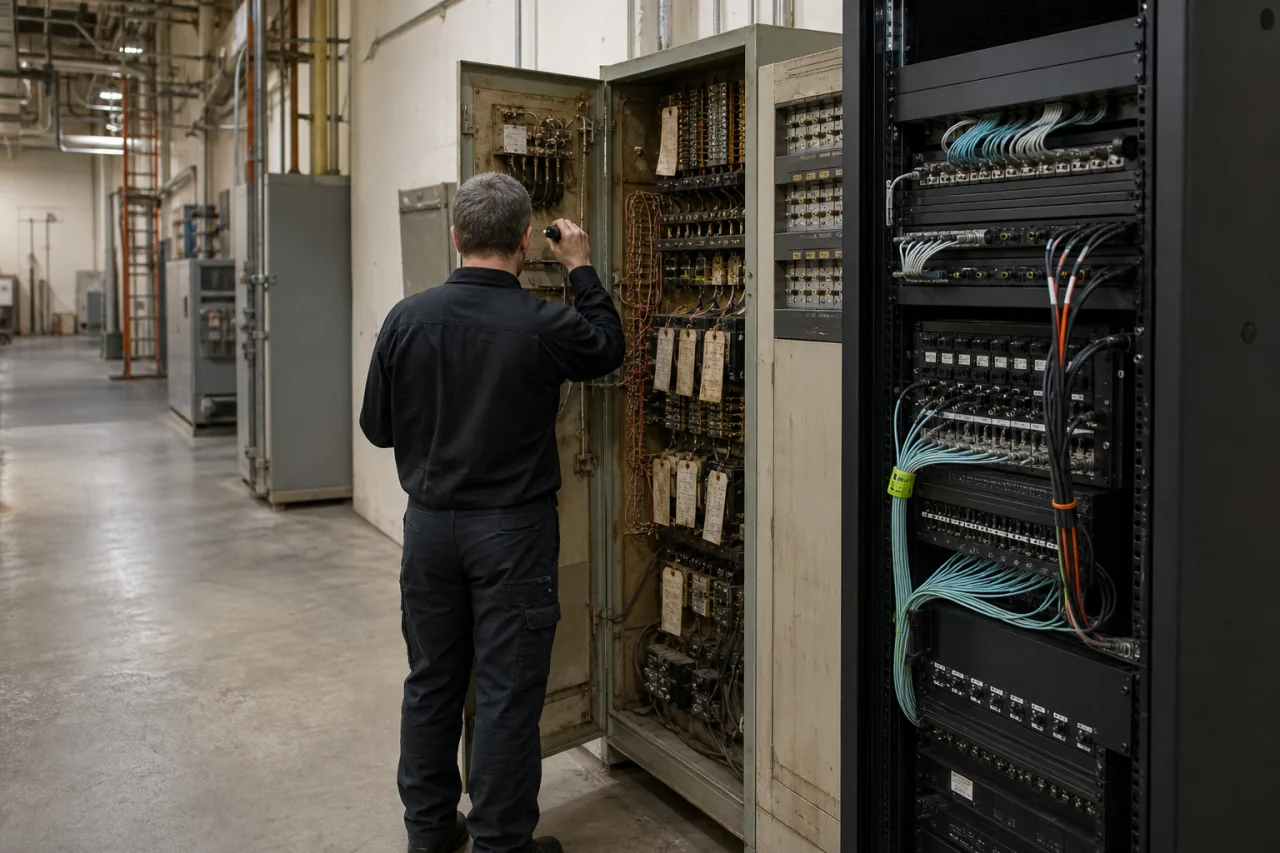
That does not mean AI removes the hard parts of modernization. Cost, complexity and risk remain central considerations, especially where older technology supports critical operations. But AI raises the strategic importance of the decision because the systems underneath the business affect how readily it can respond to new expectations and technology shifts.
For operators, this is a useful reframing. A modernization program should not be assessed only as an IT replacement effort with a difficult transition plan. It is also a business-capability decision: which systems are limiting change, where dependencies create risk, and which constraints are becoming more consequential as expectations evolve.
The practical leadership challenge
The challenge is to avoid treating “AI-powered modernization” as a reason to rush into broad replacement. The source of the long-running modernization problem is still relevant: business-critical systems cannot be casually disrupted.
Leaders should instead make the trade-offs explicit. That means identifying the legacy systems most closely connected to customer expectations and to the company’s ability to change. It also means distinguishing between the cost of a modernization initiative and the continuing cost of delay.
Founders and builders working with established companies should recognize that the obstacle may not be a lack of awareness. Many organizations already know their technology is old. The obstacle is the perceived downside of touching systems that work well enough to keep the business running. A credible modernization case therefore has to address risk and sequencing, not merely promise better technology.
What to watch next
The important development is not a claim that AI makes legacy replacement straightforward. It is the growing pressure to treat legacy technology as an active strategic constraint rather than a background technical debt issue.
Watch how companies connect modernization priorities to customer expectations and to the technology changes affecting their markets. The organizations most likely to move will be those that can clearly explain both sides of the equation: the disruption involved in changing critical systems, and the business limitations of leaving them untouched.
AI has made that second side of the equation more visible. The operational work of modernization, however, remains a leadership and execution problem.