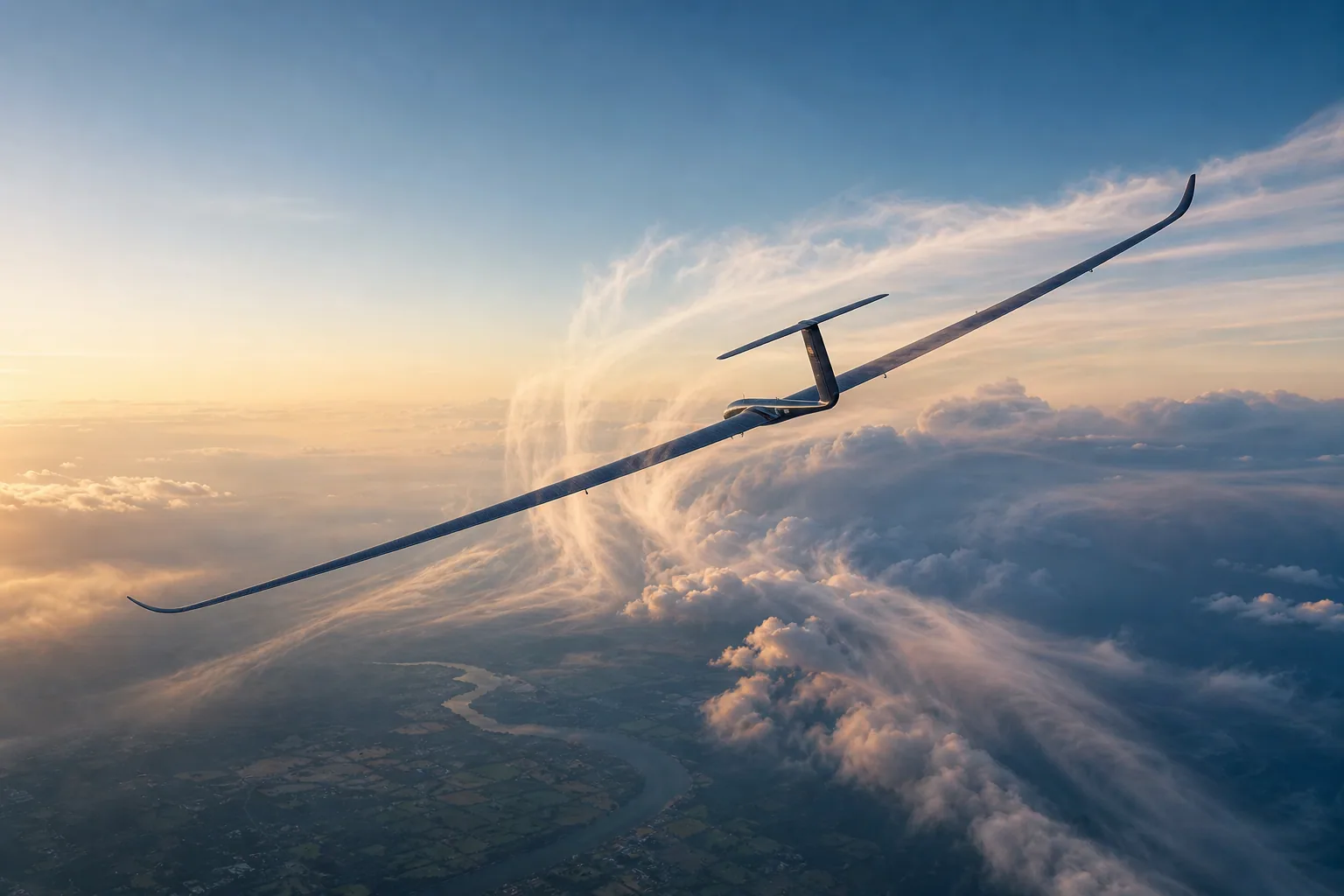
Indian startup Alteon is pursuing an unusually ambitious aviation goal: autonomous aircraft that can remain airborne for months, with an eventual target of a year-long flight.
The company, founded by a 20-year-old, is developing aircraft intended to harvest energy from wind while in flight. Lachy Groom has backed the startup, according to TechCrunch.
What Alteon is building
Alteon’s central proposition is not simply a longer-endurance drone. It is an autonomous aircraft designed to use atmospheric wind energy to extend its time aloft. The company hopes that approach can support flights lasting several months.
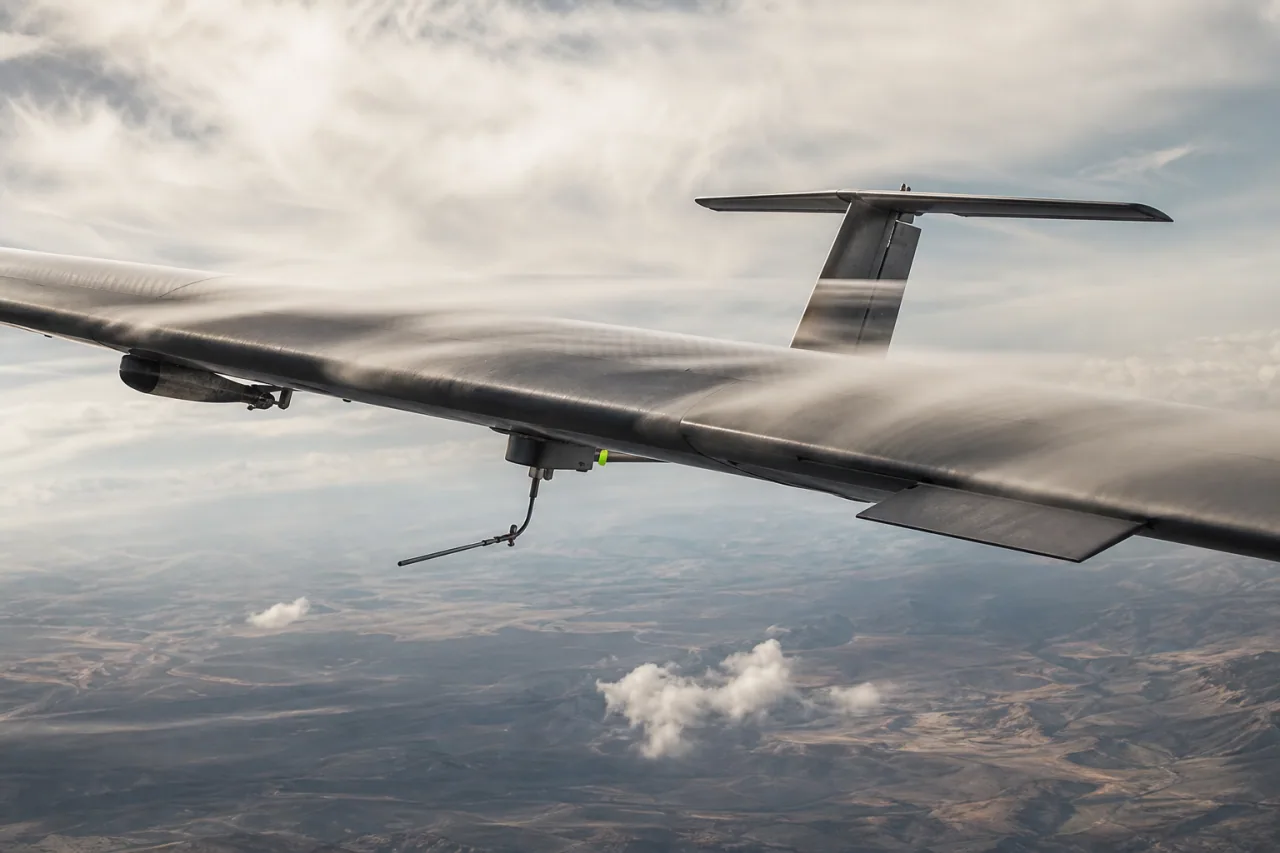
That places Alteon in a demanding category of aerospace development where endurance, autonomy and energy management are tightly linked. Remaining airborne for extended periods requires an aircraft to manage changing conditions while maintaining enough energy to continue operating.
Why the approach matters
A vehicle capable of persistent flight could offer a different operating model from conventional aircraft, which must regularly land for refuelling, maintenance or crew changes. For businesses and public-sector operators, longer endurance could make airborne systems more useful where continuous presence matters.
But the commercial value will depend on whether Alteon can turn its endurance target into a repeatable, reliable system. A year-long objective is substantially different from a one-off long flight: it implies durable airframes, dependable autonomous operation and an energy strategy that works across variable wind conditions.
What to watch next
The key milestones will be flight demonstrations and evidence of increasing endurance. Operators and potential partners will also be looking for details on how the aircraft harvests wind energy, what payloads it can carry and which use cases Alteon plans to serve.
Groom’s backing gives the company investor support, but the harder test is technical execution. Alteon is making a long-duration aviation bet in which proof will come not from the stated target, but from progressively longer autonomous flights under real conditions.