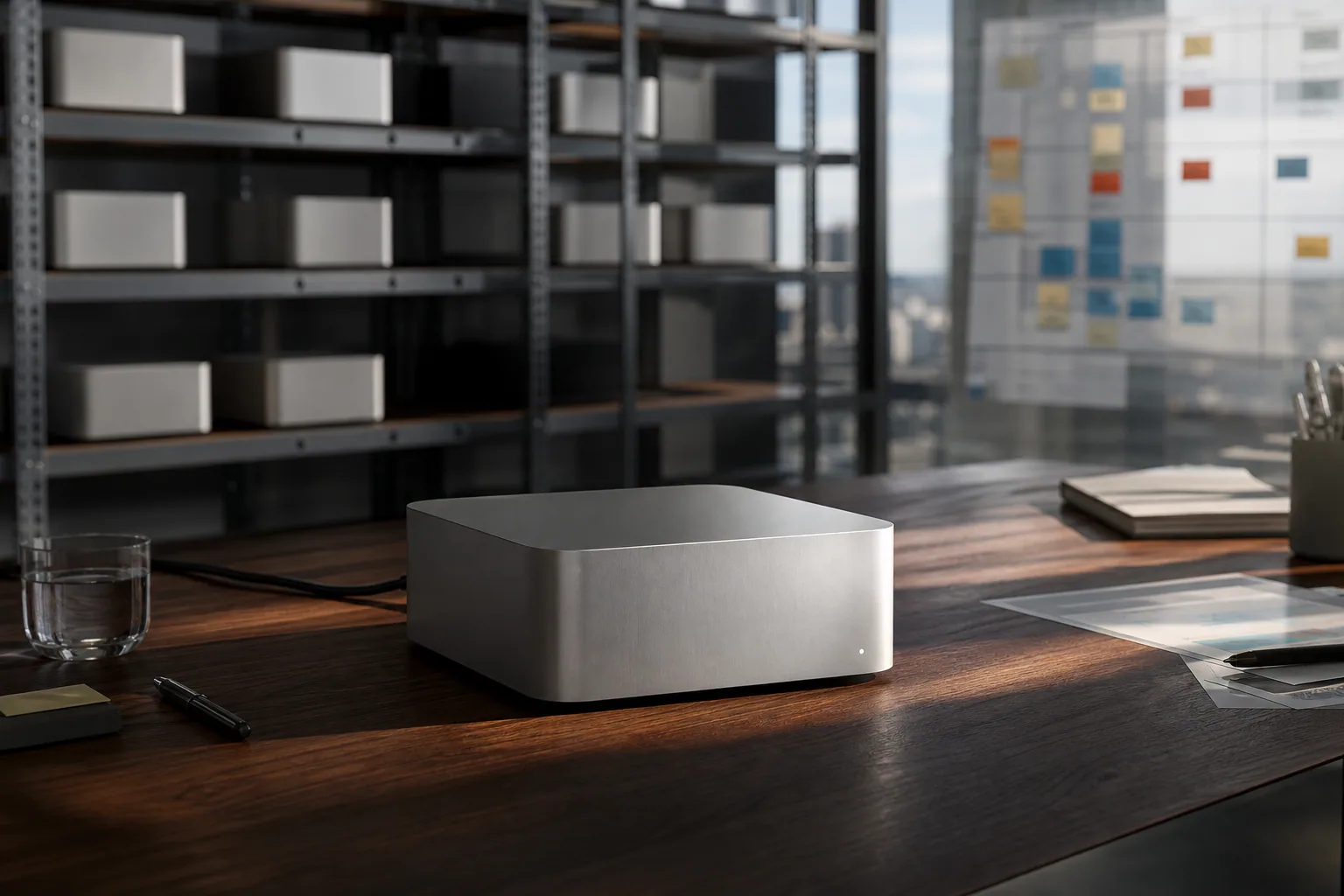
Apple was reportedly caught off guard by AI-related demand for the Mac mini and Mac Studio, according to a MacRumors report that circulated on Hacker News.
The available reporting does not quantify demand, identify particular buyers, or describe Apple’s production response. But the premise alone matters: two products generally associated with high-performance desktop use may be seeing purchasing patterns that differ from Apple’s expectations.
Why the signal matters
For operators and technical teams, an unexpected demand surge can quickly become an availability and procurement problem. If the reported demand is sustained, organizations that need these machines for development, testing or other AI-related work may face longer planning cycles than they expect.
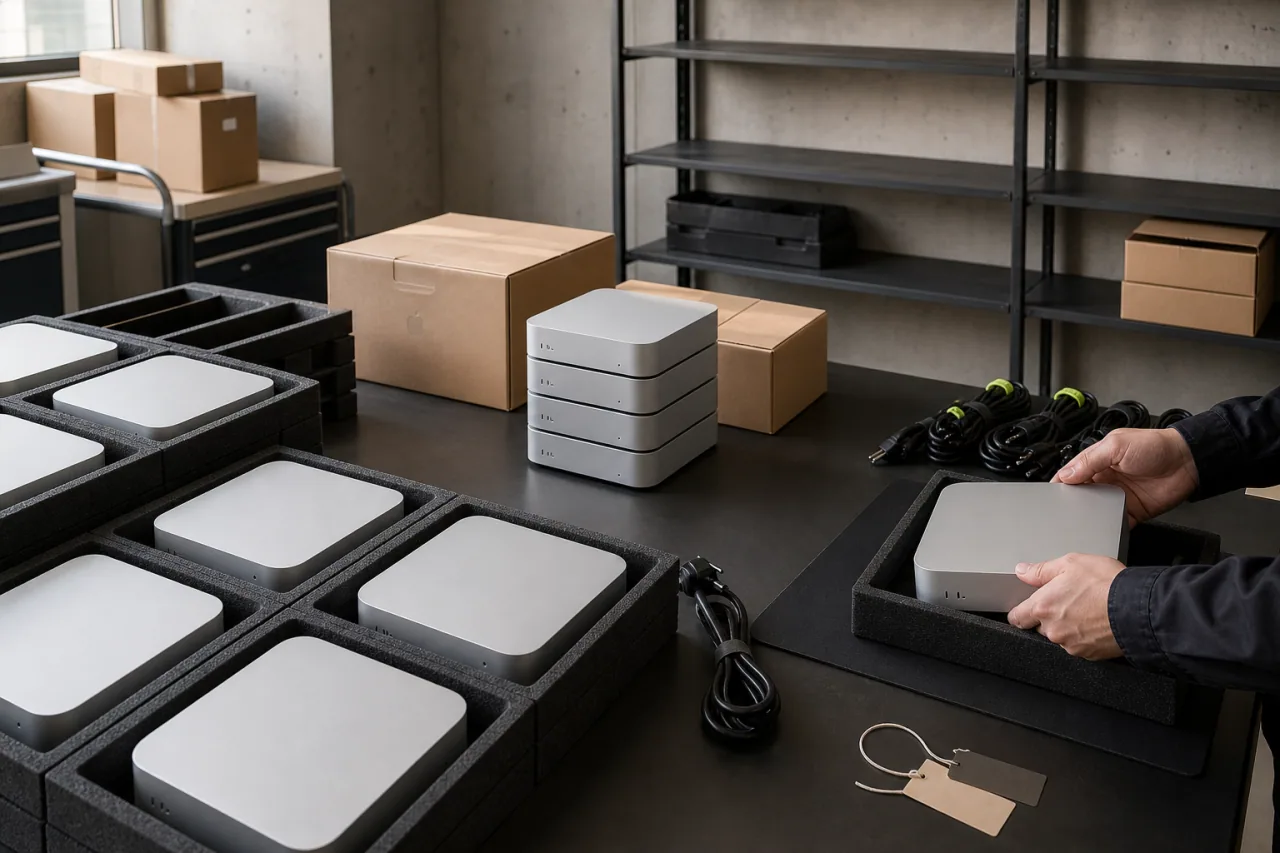
That matters especially for teams that buy hardware in batches. A desktop purchase is rarely just a desktop purchase: it can involve developer onboarding, environment standardization, deployment schedules and capital-budget timing. Even a relatively narrow supply constraint can delay work when a team has selected a particular hardware platform.
For founders, the report is also a reminder that AI spending is not limited to hosted services. Some demand may be appearing in end-user hardware categories, creating a different set of trade-offs around acquisition, utilization and operational ownership. Before treating a desktop fleet as an AI strategy, businesses should define the workload, expected usage, support requirements and alternatives if preferred configurations are unavailable.
A planning challenge for Apple
The reported surprise points to the difficulty of forecasting demand when a new workload category emerges across existing product lines. The Mac mini and Mac Studio are not new categories created specifically for this moment; a shift in how customers use them can still alter the mix of configurations and the timing of purchases.
For Apple, the key operational question is whether the demand represents a repeatable segment or a temporary concentration of buying. That distinction affects inventory allocation, component planning and how prominently the company positions desktop Macs to professional and technical buyers.
The report does not establish that Apple will change its product plans, pricing or supply strategy. It does, however, suggest that demand signals from AI users may be reaching parts of the PC market that are easier to overlook when attention is focused on cloud infrastructure and specialized systems.
What buyers should watch
Teams considering Mac mini or Mac Studio purchases should monitor real availability rather than assume current lead times will hold. They should also identify acceptable substitutes before a procurement deadline arrives, including different configurations, different deployment schedules or a temporary alternative environment.
Executives should avoid drawing broad conclusions from a single report. The useful takeaway is narrower: AI-related demand can affect ordinary technology purchasing decisions, including hardware supply and budget timing.
The next indicators will be more revealing than the initial report: whether availability changes, whether Apple acknowledges the demand pattern, and whether the interest remains concentrated in these desktops or spreads into a broader enterprise buying trend.