What changed
DoltHub has announced the beta of DoltLite, described as a fork of SQLite with Git-style version control. The project’s framing combines two widely used developer ideas: SQLite’s embedded-database model and Git’s familiar approach to tracking changes over time.
The announcement also highlights how the software was produced: DoltLite was built with roughly 2,000 agent pull requests. That makes the release both a database-tool announcement and a concrete example of agent-assisted software delivery at a meaningful contribution count.
Why operators and builders should care
Versioning is a persistent challenge in data systems. Application source code has established workflows for reviewing changes, comparing revisions and coordinating work through pull requests. Database state and database changes often require separate operational processes.
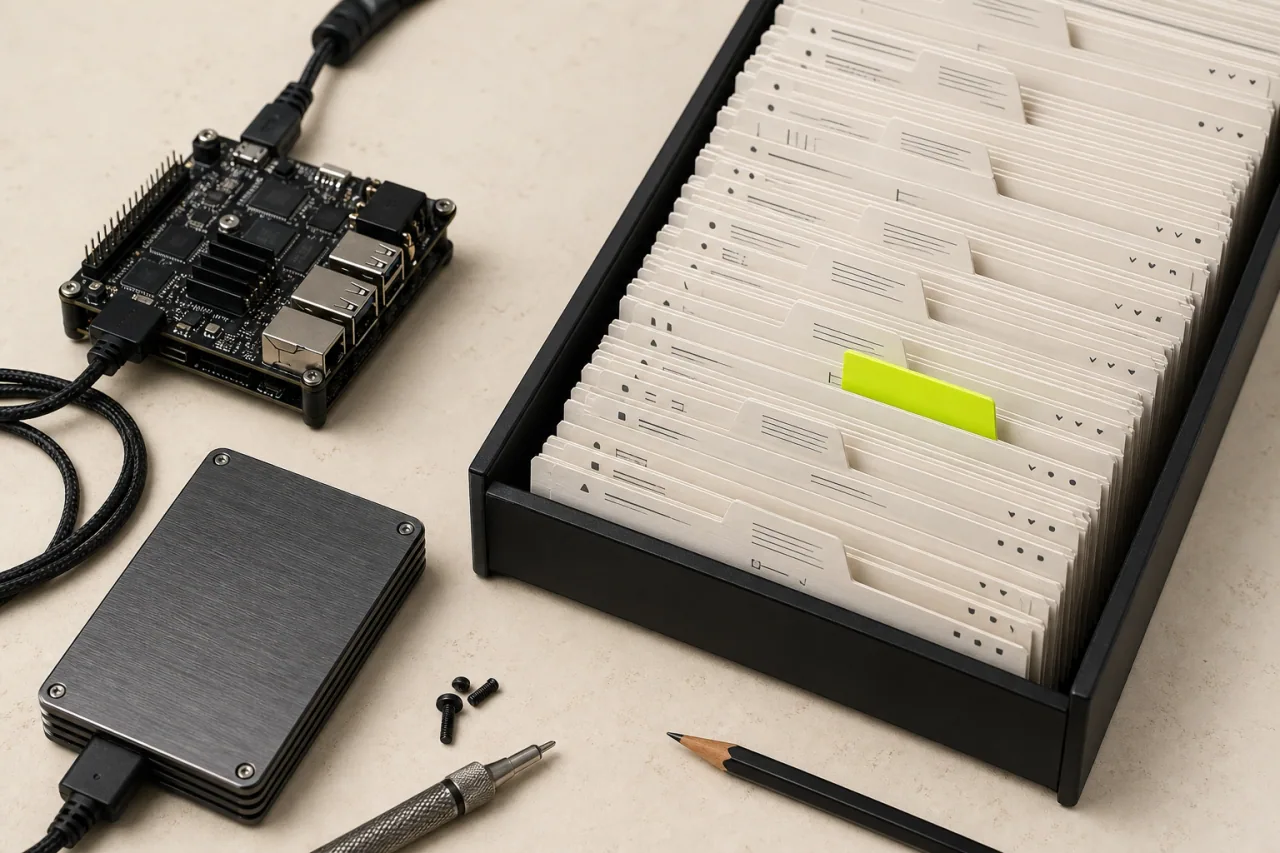
DoltLite’s stated premise is to bring a Git-style model into a SQLite-derived database. For teams evaluating it, the immediate question is not whether version-control language is familiar; it is whether that model fits their data workflow better than existing migration, backup, replication or audit practices.
That distinction matters especially for builders who use SQLite because it is lightweight and embedded. A version-control layer may be attractive where teams need to reason about data changes alongside application changes, but the beta designation means technical leaders should treat the release as something to evaluate rather than as a default production replacement.
The agent-development signal
The claim of about 2,000 agent PRs deserves separate attention. It suggests that the project’s development process relied heavily on agents operating through a standard engineering artifact: the pull request.
For engineering organizations, that is a more practical signal than broad claims about AI-written code. Pull requests create a potential review and integration boundary. But a large number of agent PRs alone does not establish code quality, security, maintainability or production readiness. Those outcomes depend on the project’s review process, testing discipline and operational experience—details not included in the available announcement summary.
The relevant management takeaway is to measure agent-assisted development by the quality of the merged result and the cost of supervising it, not simply by the volume of generated changes.
What to watch next
The public beta raises several evaluation questions:
- Which Git-like operations are supported, and how closely do they map to established developer workflows?
- What compatibility expectations apply to existing SQLite applications and tools?
- How does the versioning model affect performance, storage and operational complexity?
- What safeguards exist for concurrent changes, recovery and data integrity?
- How were the agent-created pull requests reviewed, tested and maintained over time?
The announcement is early, and the supplied source does not provide answers to those questions. Still, DoltLite is notable because it puts two emerging discussions in one release: whether databases can adopt more software-like versioning workflows, and whether agent-driven contribution pipelines can produce substantial systems through conventional code-review processes.
For teams with a concrete need for versioned local or embedded data, the beta is worth tracking. For everyone else, it is a useful case study in how AI-assisted development is increasingly being presented through auditable engineering workflows rather than as a separate, opaque process.