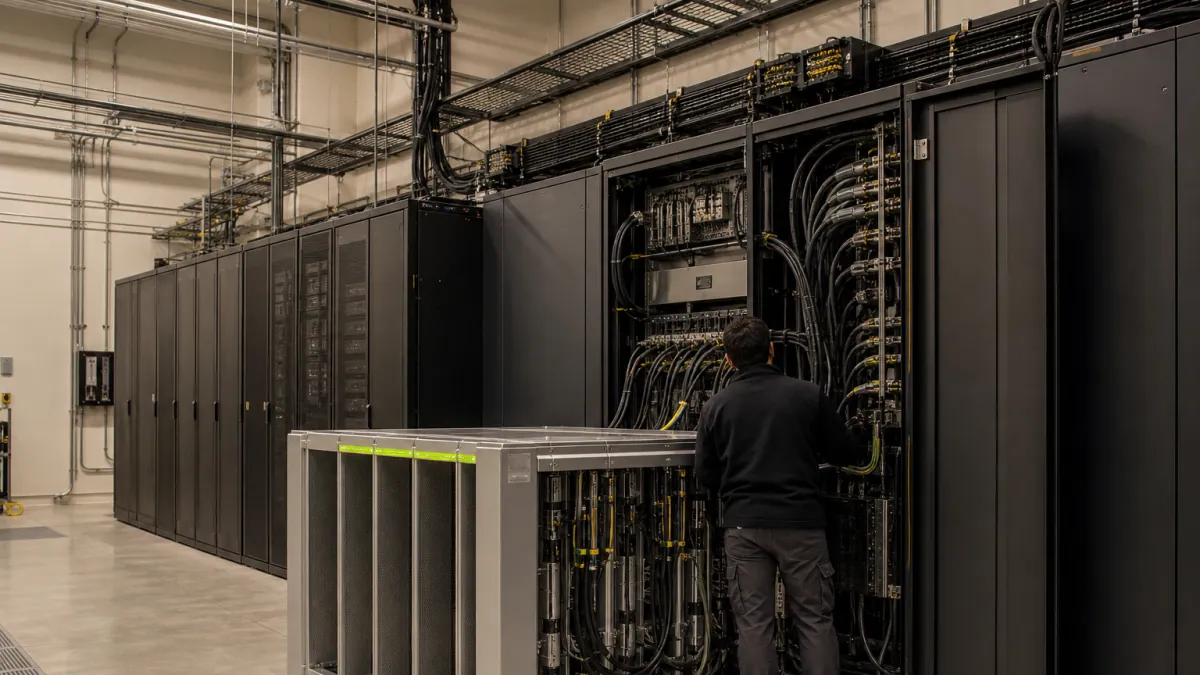
Technology leaders are confronting two very different execution challenges: bringing climate-relevant biology into mainstream agriculture and managing the cultural pressures inside fast-moving AI companies.
MIT Technology Review’s September 1 edition of *The Download* highlights engineered microbes that could help feed crops, alongside questions about OpenAI’s safety culture. The pairing is useful beyond the specific stories. Both point to a familiar operating reality: the technology itself is only part of the product.
Fertilizer is a large target—and a hard system to change
Fertilizer is essential to the global food supply. But producing it requires substantial energy and creates significant emissions, according to the newsletter summary. That makes alternatives or supplements that can support crops with a lower environmental burden strategically important.
Engineered microbes are one possible route. For founders and operators in agricultural technology, the opportunity is not simply to demonstrate a biological mechanism. It is to make a product work in the conditions that determine adoption: varied soils, weather, crop types, farming practices, distribution channels, and farm economics.
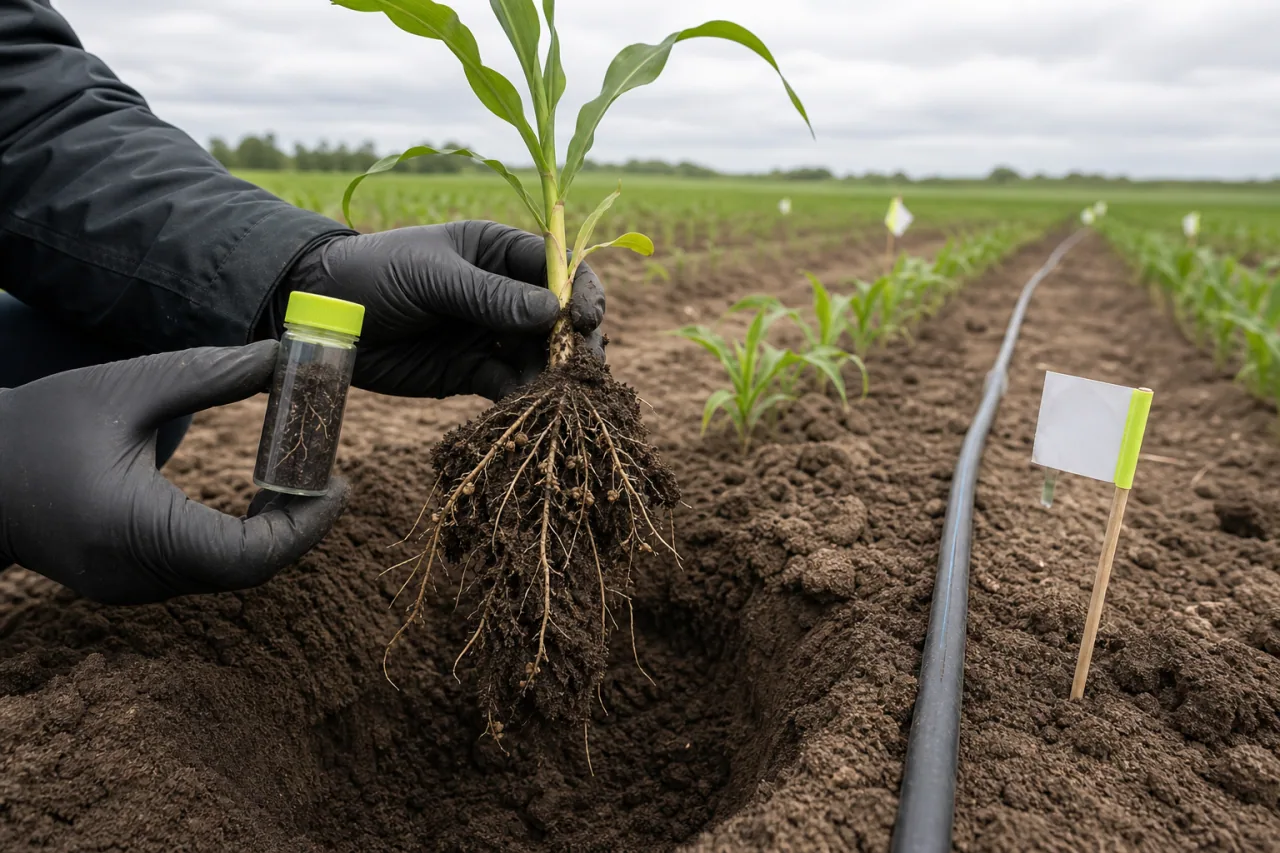
The business question is therefore broader than whether microbes can help plants. Companies must show that their products can fit existing farm workflows and offer results compelling enough to justify switching from, reducing, or complementing established fertilizer practices.
For investors and executives, this is a reminder that climate technology timelines are often shaped by validation and deployment rather than invention alone. Agricultural products need to earn trust in the field, where outcomes can be difficult to standardize and customers make decisions around seasonal risk.
AI culture is an operating issue, not just a communications issue
The same edition flags OpenAI’s culture problem, specifically in relation to safety. The source summary does not detail the underlying issues, but the framing matters: at leading AI organizations, culture and safety processes are increasingly part of the company’s execution capacity.
As AI systems become more capable and more widely deployed, decisions about research priorities, internal challenge mechanisms, governance, and product release processes can carry commercial consequences. A company that cannot sustain credible safety practices may face difficulty retaining talent, maintaining customer confidence, or navigating heightened scrutiny.
That makes organizational design a board-level concern. Leaders building AI products should ask whether people closest to technical and safety risks can raise concerns effectively, whether incentives reward responsible decision-making alongside speed, and whether stated principles match how launches are actually handled.
What to watch next
For engineered microbes, the key signals will be evidence of performance in real agricultural settings and whether products can be deployed at a cost and reliability that work for growers. Progress will depend on translating laboratory advances into repeatable field outcomes.
For OpenAI and the broader AI sector, watch for whether safety commitments are supported by durable internal processes. The relevant measure is not messaging; it is whether governance and culture hold up when commercial and competitive pressure rises.
The common lesson is practical. In both agriculture and AI, technical promise is necessary but insufficient. The organizations that matter most will be those that can turn difficult science into trusted, repeatable operations.