Google is rolling out agentic video understanding across its latest Gemini models, positioning the capability as a way to analyze video more accurately with lower token usage and cost.
The announcement is short on implementation detail, but the core shift is important: rather than treating a video as a fixed stream that must be processed uniformly, Gemini can take a more directed approach to examining video content.
What changed
Google describes the release as agentic video understanding, now available across its newest Gemini models. The company says the approach improves accuracy while lowering both token use and costs.
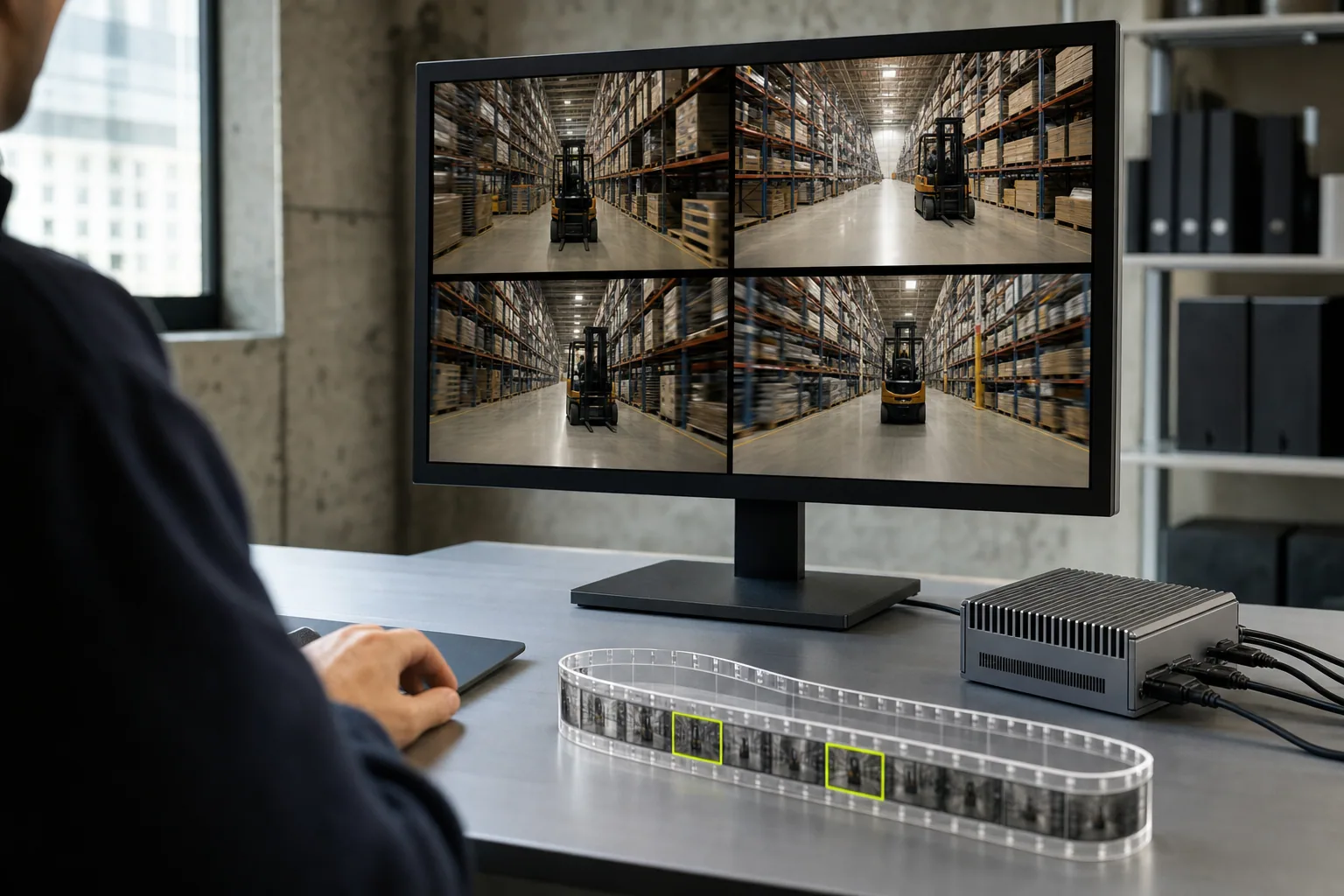
Video is an expensive input for AI systems. Long recordings contain large volumes of visual information, and extracting a specific answer—such as when an event occurred, what was shown on screen, or which steps were performed—can require processing far more material than a user ultimately needs.
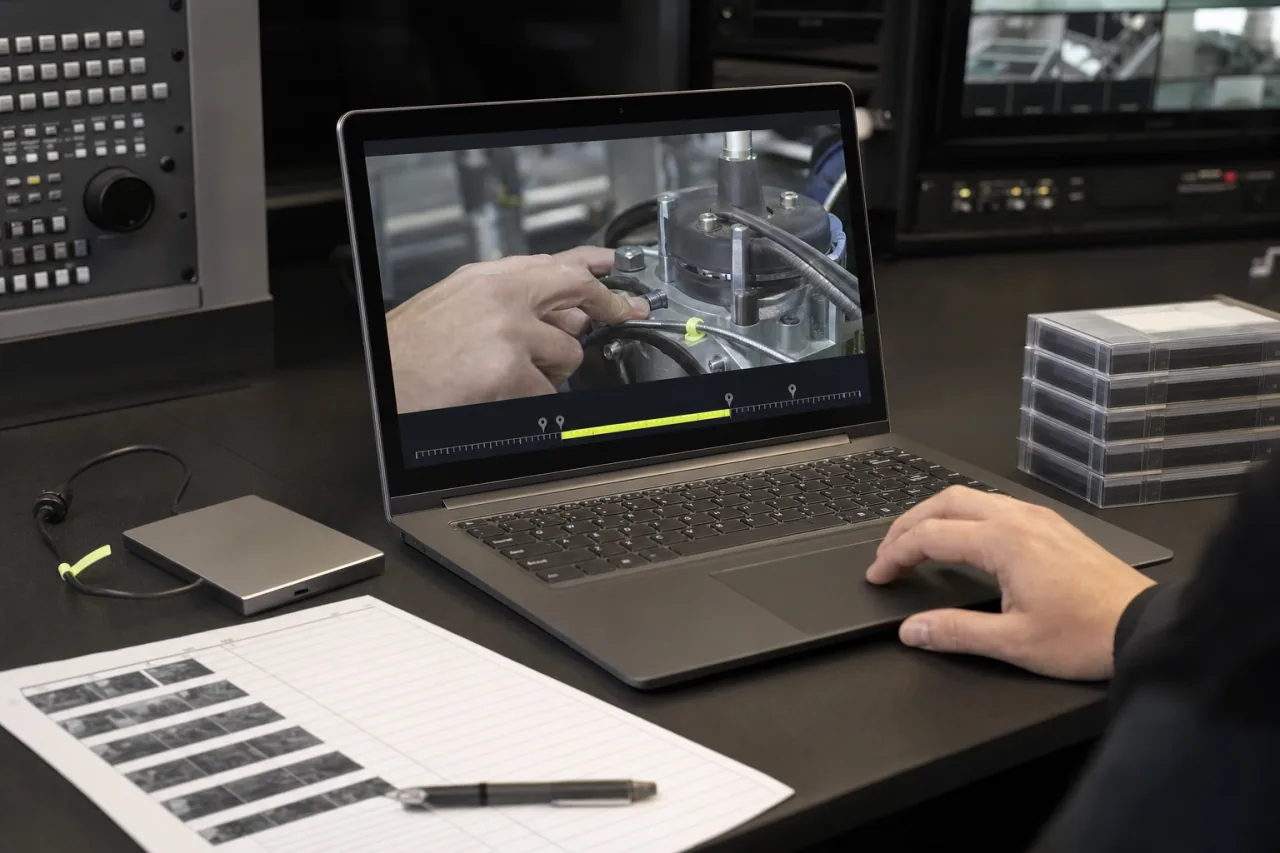
Google’s framing suggests Gemini can more selectively investigate a video in pursuit of an answer rather than applying the same level of analysis to every moment.
Why it matters for operators
For businesses building on multimodal AI, the economics of video analysis can determine whether a feature is practical beyond a limited pilot. Lower token usage could make it more feasible to apply models to longer recordings and larger video libraries.
Potential uses include searching internal training footage, reviewing product demonstrations, extracting information from operational recordings, or building interfaces that answer questions about video archives. The relevant question for teams is not simply whether a model can describe a clip, but whether it can find reliable answers at a cost suitable for repeated use.
Accuracy matters equally. Video workflows often involve ambiguity: a relevant moment may appear briefly, be separated from related context, or require comparison across different points in a recording. An agentic process could be more useful than one-pass summarization when users need specific evidence from a long video.
What builders should evaluate
Companies considering Gemini for video workloads should test the capability against their own footage and query patterns. A general claim of lower token consumption does not establish the cost of a particular workflow, especially where videos are lengthy, visual details are small, or answers require precise temporal references.
Key evaluation areas include:
- Accuracy on specific, operationally important questions rather than broad summaries.
- Cost and latency across short clips, long recordings and repeated queries.
- Performance when the needed information appears only briefly or requires context from multiple moments.
- How results can be verified and incorporated into existing review processes.
What to watch next
Google’s announcement signals that video understanding is becoming an optimization problem as much as a model-capability problem. As enterprises move from demonstrations to production use, providers will be judged on whether they can make multimodal analysis accurate, responsive and economically predictable.
The next practical details to watch are model availability, pricing, supported video workflows and benchmarks or product examples showing where the agentic approach outperforms conventional video processing.