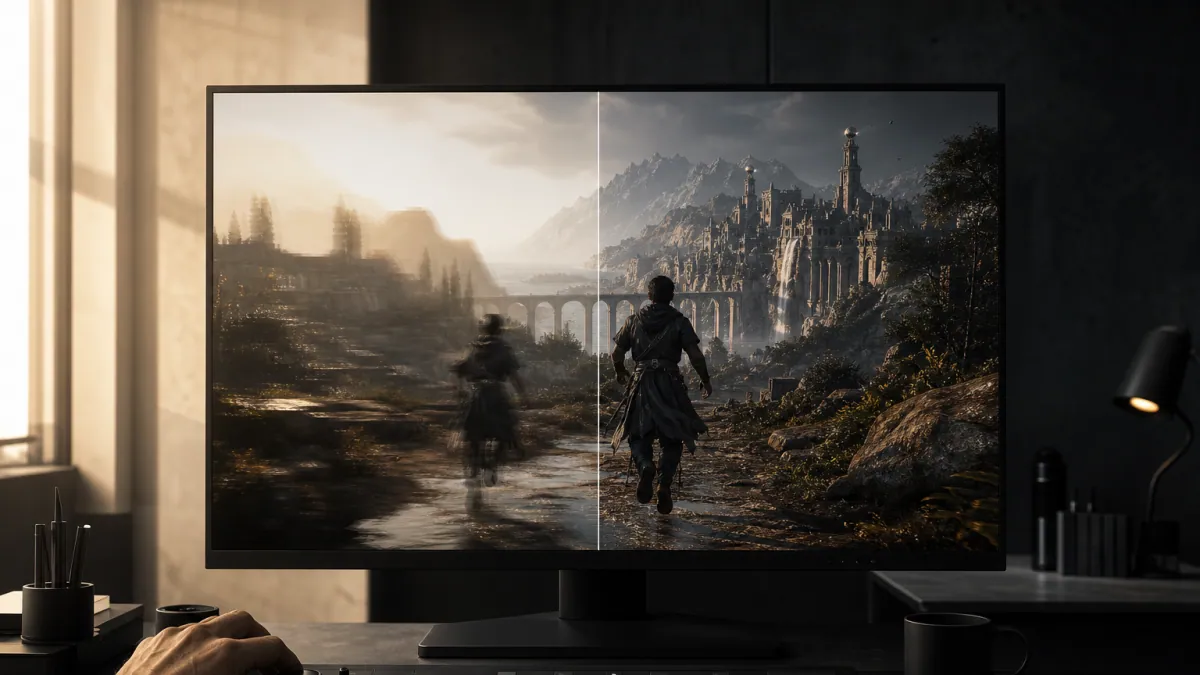
Google is introducing Google Pics, a creative design suite for Workspace users that aims to make AI-generated and AI-edited business imagery easier to produce and refine.
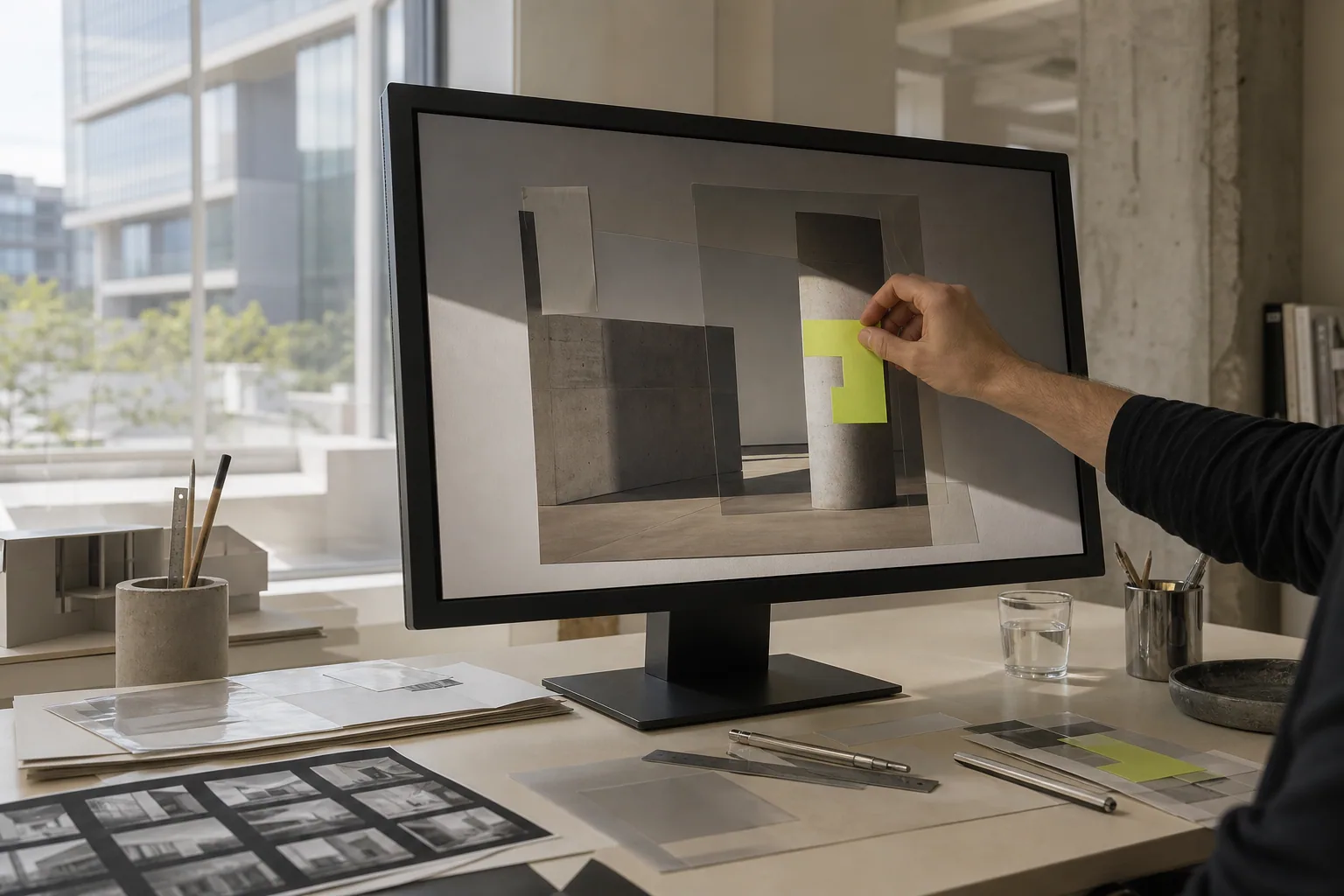
The product is built around Gemini and Google’s Nano Banana generative AI model. Its central pitch is not simply image generation: it is more precise, object-level editing. Users can select specific objects or text in an image and describe the change they want, rather than relying on a broad chat prompt to remake an entire visual.
What changed
Generative-image tools have become widely used for personal experimentation, but business use has posed a different problem. Marketing and communications teams need visuals that adhere to a brief, preserve product details, and avoid the distorted or irrelevant output often associated with prompt-only image generators.
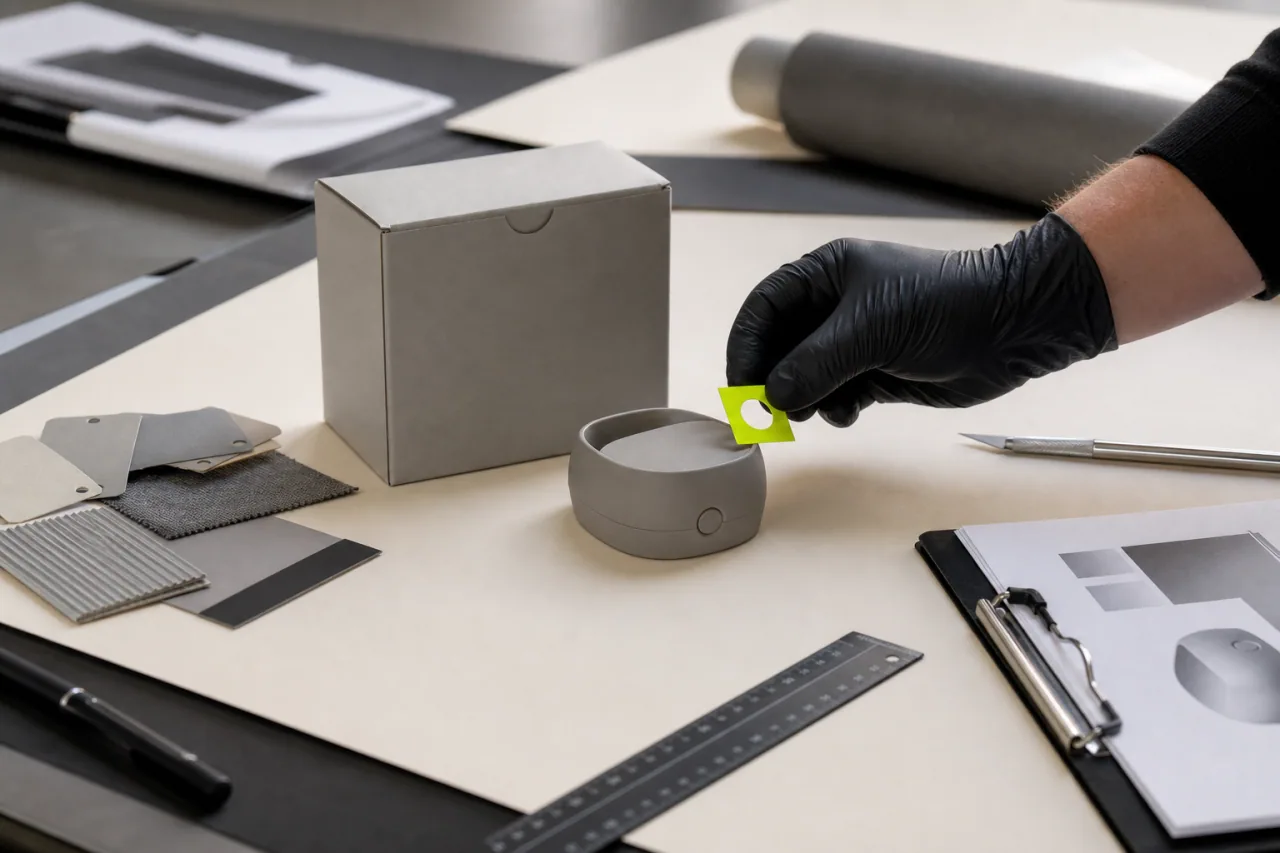
Google Pics is designed to narrow that gap. The suite gives Workspace users tools for generating imagery and manipulating existing images, with more granular controls over what is altered. The approach resembles the template-driven accessibility of products such as Canva, but places Google’s generative AI models at the center of the workflow.
The ability to target an individual object or a piece of text matters because it can reduce the need to regenerate an image after every requested revision. In principle, a team could keep the parts of a design that work while changing only the element that does not.
Why it matters for businesses
For operators and small teams, the appeal is consolidation. Workspace is already where many organizations create documents, presentations, and collaborative materials. Adding a design and image-editing layer could make it easier to produce campaign assets, internal communications, and presentation visuals without moving work between several tools.
For marketing teams, granular editing is the more consequential feature. Brand work is rarely a one-prompt task. It involves rounds of changes: adjusting copy, replacing a visual element, changing emphasis, and adapting creative for different contexts. An AI tool that can make localized modifications may be more useful than one optimized for producing a single striking image from scratch.
The release also places Google more directly in a market where design platforms have increasingly added AI generation and editing. Google’s advantage, if Pics is adopted, would come from its position inside Workspace and the collaboration habits already built around that software.
What to watch next
The key question is whether targeted controls produce dependable results in business settings. Better selection and prompting do not automatically solve familiar generative-AI issues around accuracy, consistency, and awkward output. Teams will still need to evaluate whether edited images preserve the details that matter to a campaign or product.
Buyers should also watch how Google positions Pics within Workspace workflows: whether it is tightly connected to the documents and presentation tools teams already use, and whether its controls are practical enough for non-designers without becoming limiting for creative professionals.
Google Pics signals a broader shift in workplace AI: moving from open-ended generation toward tools that support specific, iterative production tasks. For businesses, the value will depend less on the novelty of generating an image and more on whether AI can make revision cycles faster without sacrificing control.