
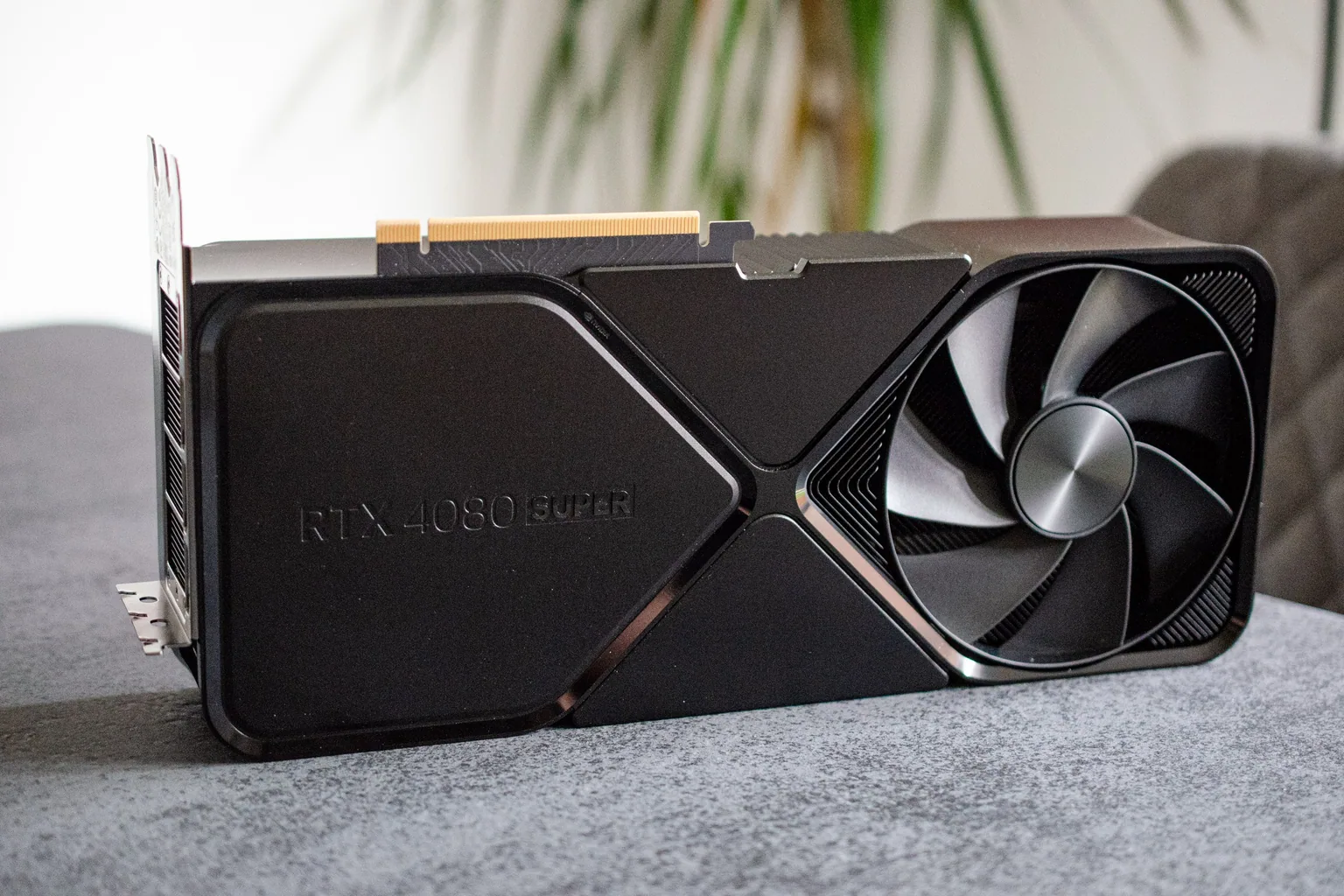
Nvidia says DLSS 5 will officially reach GeForce RTX 40-series GPUs after its initial rollout on the company’s newest RTX 50 hardware. The move broadens the potential installed base for the AI rendering technology, but it comes with a clear product boundary: gamers will get a simple on-or-off switch, while developers retain the detailed controls over how the system changes a game’s look.
The company told *The Verge* that it is currently focused on tuning DLSS 5 performance for RTX 50-series cards, with model updates expected later in the fall. Once that work is further along, Nvidia plans to expand official RTX 40 support. It did not commit to support for RTX 30- or RTX 20-series products.
A larger addressable market—eventually
Supporting RTX 40 matters because it gives developers a more meaningful target than a feature limited to the latest generation of GPUs. That can make investment in integration easier to justify, particularly for studios maintaining PC versions of games across several hardware tiers.
The timing remains important. Nvidia is framing RTX 40 support as a subsequent optimization and rollout effort, not as a day-one capability. Operators planning launches should treat the company’s statement as a direction of travel rather than a firm availability date.

Earlier-generation support is even less certain. Modders have reportedly run leaked DLSS 5 builds on older Nvidia cards, but the results included crashes and poor frame rates. Nvidia’s official position is that its attention is on RTX 50 first, followed by RTX 40.
Nvidia keeps the visual dials in developer hands
DLSS 5’s most consequential restriction may be its user interface. Nvidia says the consumer option will be limited to an on/off toggle. More granular tools—including model selection, structure intensity, tone intensity, automatic masking and custom per-pixel masking—will be available to developers.
That decision gives studios and publishers tighter control over visual consistency, performance targets and artistic direction. It also limits the ability of technically sophisticated players to tune a game’s image processing to their own preferences, even though unofficial tools have exposed more controls.
Nvidia says developers can choose to expose some settings themselves, as game makers have done with previous graphics features. That leaves room for studios to offer quality presets or more advanced options, but it makes player choice dependent on each game’s implementation rather than on Nvidia’s baseline software.
Integration is the adoption test
Nvidia’s pitch is that DLSS 5 reduces some of the manual work associated with scene-aware rendering. Its AI models can identify and isolate categories such as faces, textiles and foliage, then apply different processing levels. Developers can also use semantic masking or engine-level masks to target specific objects or asset groups, including glassware, water droplets and foliage.
The company says those models operate on every frame and can be applied across an entire title or configured differently for gameplay, cinematics and particular scenes. Nvidia offers SDKs, and Unreal Engine 5 has a native plugin.
For development teams, that could lower integration friction while still preserving tools for selective creative intervention. But it also shifts more image-processing decisions into Nvidia’s models and studio pipelines, where differences between titles may be difficult for consumers to evaluate from a single marketing label.
Watch the game list, not just the hardware list
The key commercial question is whether the initial developer commitment holds. When asked to reconfirm previously announced DLSS 5 titles, including *Assassin’s Creed Shadows*, *Hogwarts Legacy*, *Starfield* and *Resident Evil Requiem*, Nvidia did not confirm individual games. It said more games are coming and that partners are actively integrating the technology.
That response leaves the near-term release slate unresolved. The next signals to watch are RTX 40 timing and performance guidance, whether developers expose their own DLSS 5 settings, and—most importantly—specific game launches that ship with the feature enabled.