Poco’s F9 Pro and F9 Ultra show a familiar smartphone strategy being taken to an unusually visible extreme: make the hardware features easy to see, hear and market.
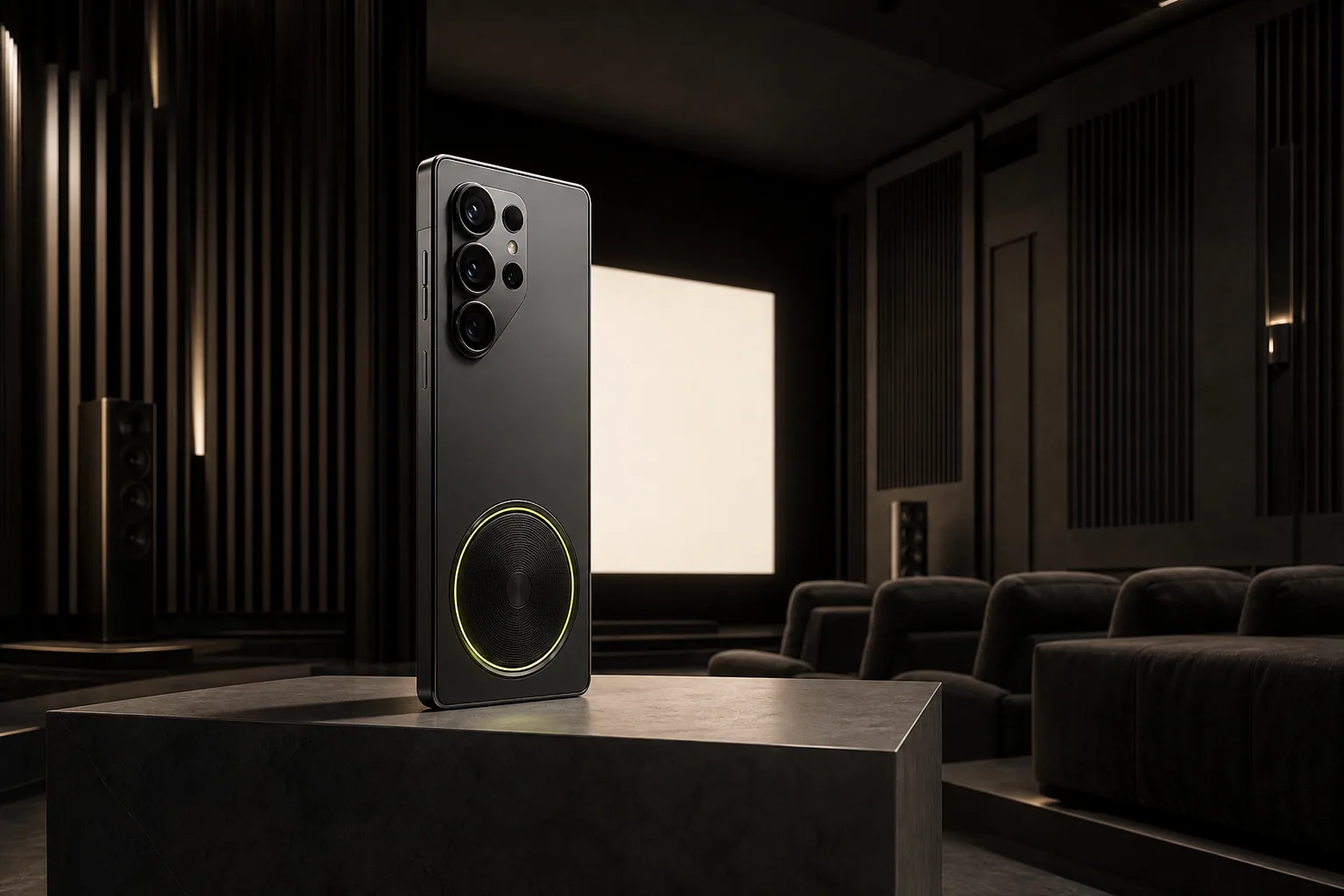
The Xiaomi spinoff has renewed its Bose partnership for a second year, bringing Bose-branded speakers to both flagship models. The F9 Ultra is the more conspicuous device, retaining the 2.1 audio system introduced on the prior F8 Ultra and adding a small LED ring around its rear-mounted subwoofer.
The result is a phone built to distinguish itself through physical hardware rather than a subtle design refresh.
What changed
The F9 Ultra’s Bose-branded system uses two upgraded main speakers alongside the same subwoofer hardware used in last year’s model. Poco has changed the subwoofer mount structure to accommodate the LED ring, turning an audio component into a visible design feature.
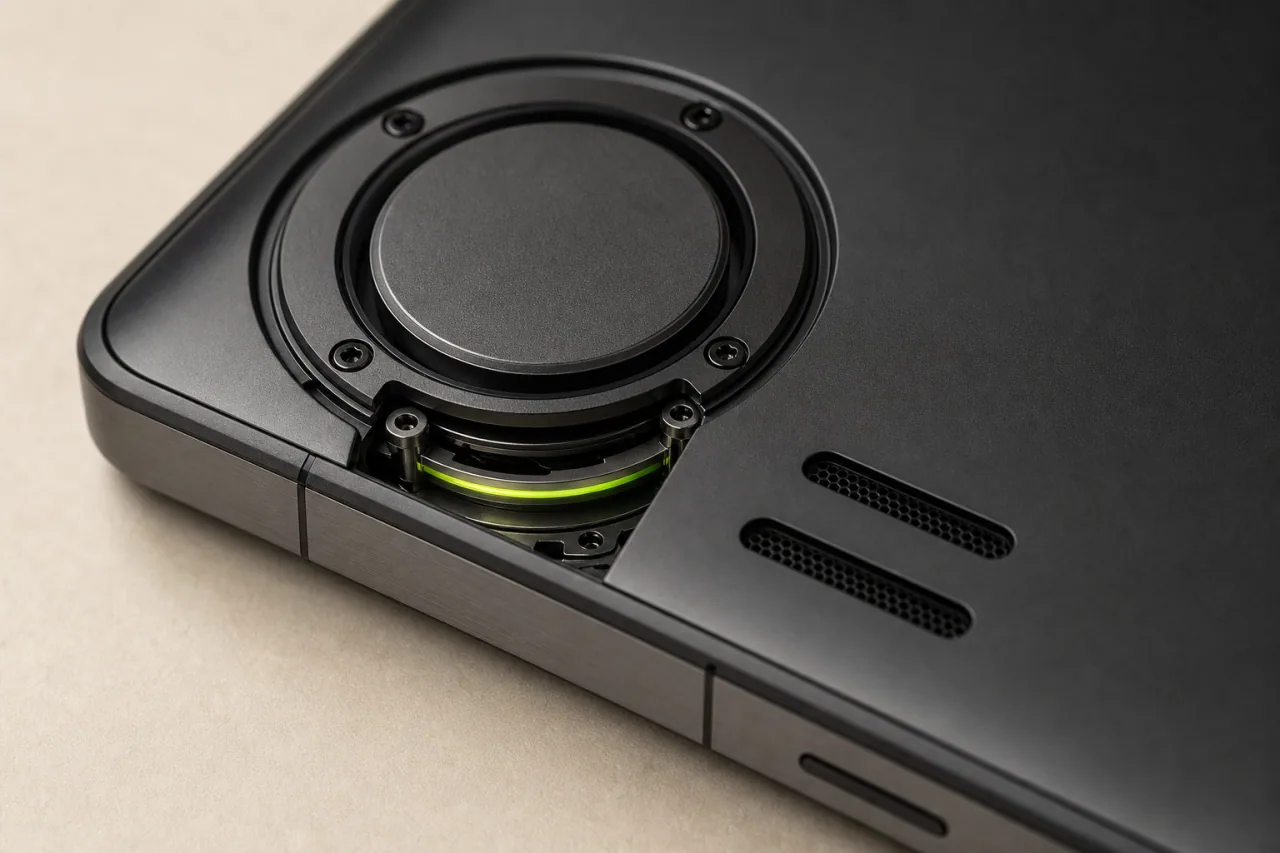
Beyond audio, Poco is emphasizing extremely bright displays, large batteries and what it describes as its strongest camera setup to date. The F9 Pro also includes Bose speakers, extending the partnership beyond the top-tier device.
The available details suggest Poco is iterating on a formula rather than redesigning it: maintain the unusual 2.1 system, improve surrounding components, and give the flagship a more recognizable visual signature.
Why it matters
Most smartphone makers still compete on a largely converged checklist: screen quality, camera performance, battery life, charging and AI features. Poco’s approach is to make sound a flagship-level differentiator, even if the practical value of a built-in subwoofer remains a niche proposition.
For operators and device builders, the launch is a reminder that component partnerships can serve two roles. Bose adds a recognizable audio brand to the specification sheet, while the illuminated subwoofer gives customers an immediately legible reason to notice the product. Neither requires a wholly new device category.
That matters in a mature market where annual upgrades can be difficult to communicate. A visible hardware element may be easier to demonstrate in retail, social video and product photography than incremental improvements in processing or imaging.
There is also a product-positioning trade-off. A glowing subwoofer can help Poco stand apart from more restrained premium phones, but it narrows the appeal toward buyers who value overt performance styling. The feature needs to be backed by meaningful audio performance; branding and lighting alone will not make phone speakers a replacement for headphones or dedicated speakers.
What to watch next
The important questions are practical. How bright are the displays in real use, how much battery life do the large cells deliver, and whether Poco’s camera improvements close the gap with other flagship phones will determine the devices’ broader competitiveness.
Audio is the clearest differentiator, but it is also the claim most likely to invite direct comparison. Buyers will want to know whether the upgraded main speakers and retained subwoofer provide a noticeable advantage over conventional stereo phone speakers, and whether the rear LED ring is configurable or simply decorative.
Poco’s second consecutive Bose collaboration indicates that it sees branded, high-output audio as more than a one-off experiment. The F9 Ultra will test whether that bet can become a durable reason to choose a Poco flagship rather than merely an attention-grabbing feature.