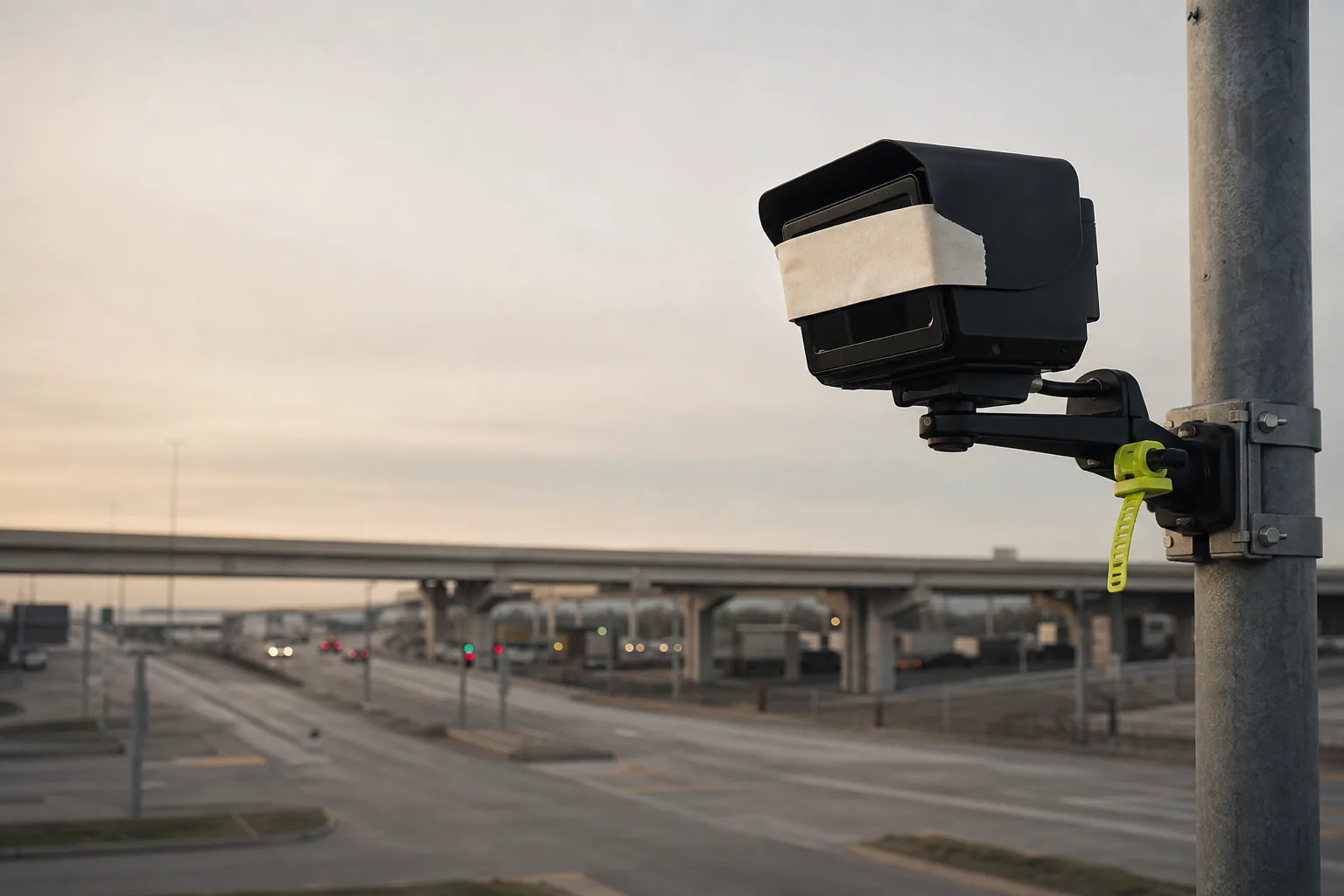
Texas Governor Greg Abbott has frozen state spending on Flock Safety camera systems, according to The Verge. The move comes as scrutiny builds around the use of AI-enabled license plate reader networks by public agencies.
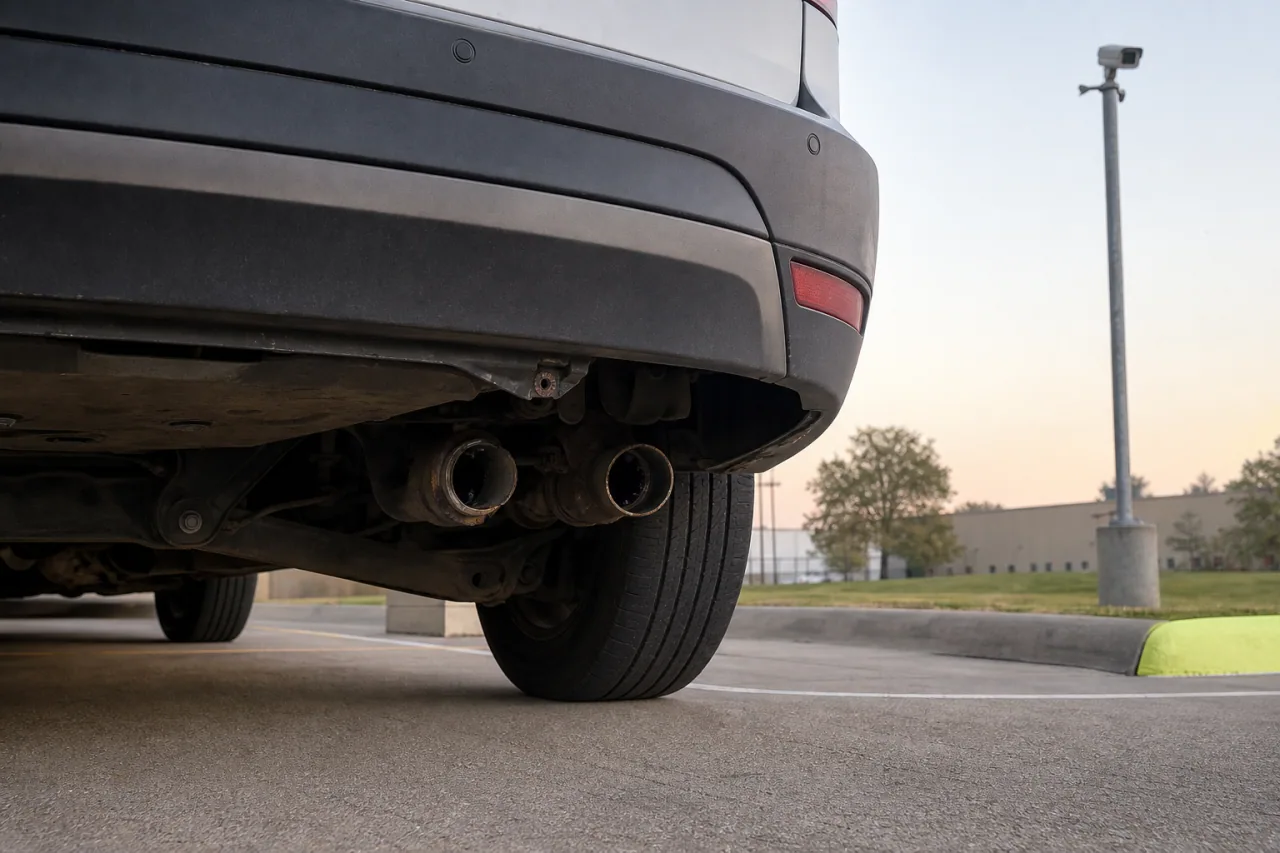
The decision arrived shortly before a Texas Tribune investigation reported that the state had spent more than $30 million on Flock cameras. Much of that funding was raised through a $1 fee added to insurance policies, a mechanism reportedly intended to help address catalytic converter theft.
What changed
The freeze stops the state from putting additional money into Flock camera deployments. It does not, based on the available reporting, establish a broader ban on existing systems or their use by local agencies.
Still, the action is notable because it shifts the issue from an abstract privacy debate to a state-budget decision. Texas had been a substantial customer: spending at the reported scale makes any procurement pause consequential for vendors serving law enforcement and public-sector security buyers.
Why operators should pay attention
Flock’s systems sit at the intersection of physical security, cloud software, AI-assisted search, and law-enforcement data access. That combination can make deployments operationally attractive: agencies can use networks of cameras to identify and search for vehicles connected to investigations.
But the same features create governance exposure. The Verge reports that Flock systems have faced privacy concerns across the political spectrum. It also notes multiple incidents in which officers were placed on leave or criminally charged over misuse of Flock systems.
For public-sector technology leaders, the Texas pause is a reminder that a procurement approval is not the end of the risk assessment. Programs involving searchable location or vehicle data need clear controls over who can access the system, which searches are permitted, how activity is logged, and how misuse is investigated.
For vendors, the lesson is equally direct: product capability alone will not determine buying decisions. Funding sources, auditability, customer policies, and safeguards against improper access can become central to contract durability.
The funding question
The reported use of an insurance-policy fee adds another dimension to the controversy. When a fee is tied to a specific public-safety objective, such as combating catalytic converter theft, policymakers and the public can ask whether the resulting technology spend remains proportionate to that purpose.
That makes outcome measurement important. Agencies considering similar deployments will face pressure to show not only that cameras produce investigative leads, but also that the results justify recurring costs and any privacy tradeoffs.
What to watch next
The key unanswered questions are how long the freeze will last, whether Texas reviews existing Flock contracts, and whether the state imposes new oversight requirements before spending resumes.
Other jurisdictions will be watching. A pause in one major state does not settle the debate over automated license plate reader systems, but it raises the likelihood that future deployments will receive more attention from budget officials, legislators, civil-liberties groups, and procurement teams before cameras are installed.