
Apple has presented what it describes as evidence that a former employee destroyed material connected to an alleged theft of company data after learning he was under investigation.
The dispute, reported by TechCrunch, centers on Apple’s accusation that the employee took company information for OpenAI. Apple’s latest allegation is not simply about the initial transfer of information: it says the former employee took steps to eliminate evidence once the investigation became known.
Why the allegation matters
For technology companies, the case highlights a recurring risk around employee departures. Sensitive information can move through ordinary workplace systems—devices, accounts, files and messaging tools—before a company knows an employee is leaving or has joined a competitor.
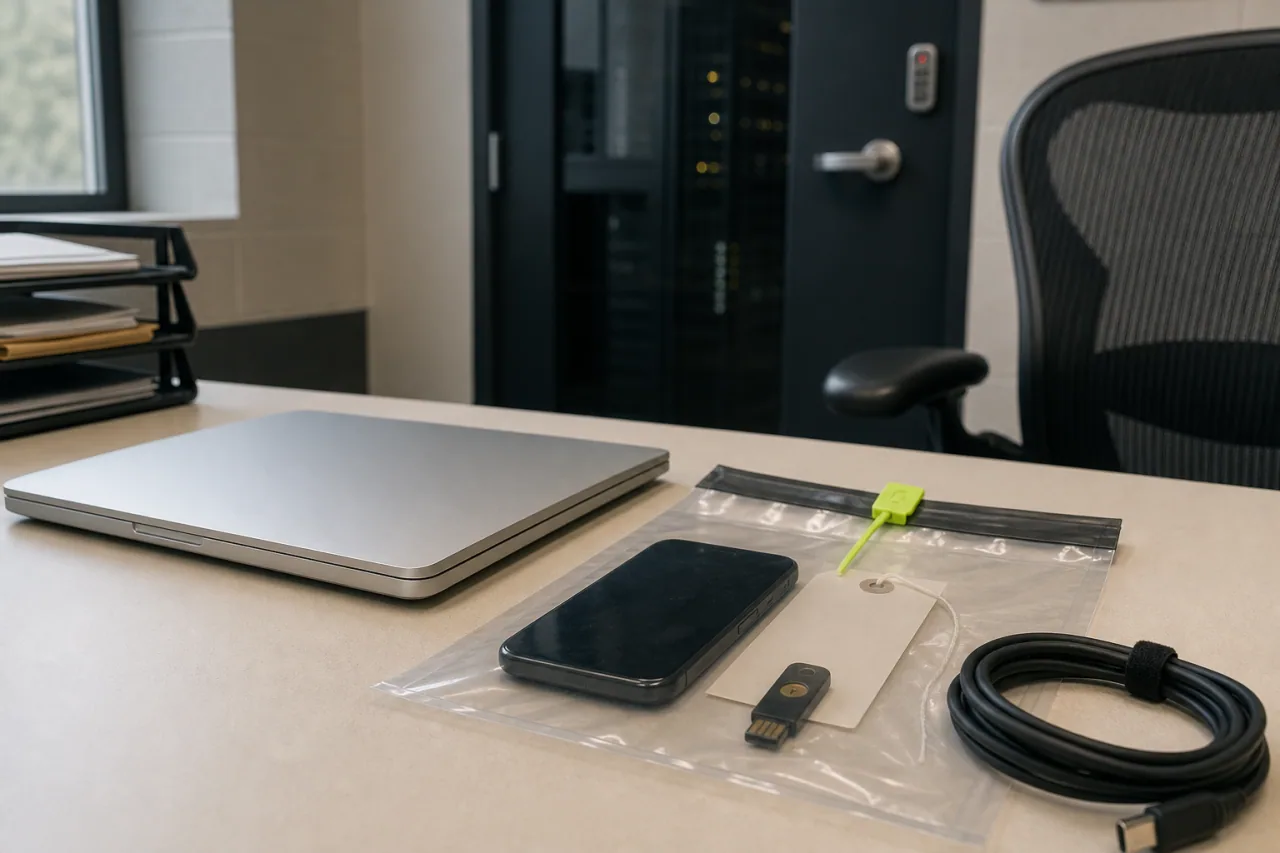
Apple’s claim of evidence destruction raises the stakes because internal investigations depend on preserving those records. Whether the underlying allegations are ultimately established will be determined through the legal process, but the episode illustrates why companies treat offboarding, access controls and record preservation as business-critical functions rather than routine IT administration.
The case also lands amid intense competition for AI talent. As companies build or expand AI products, they are hiring experienced staff from rivals and adjacent technology firms. That competition can make clear boundaries around confidential information especially important for both the hiring company and the employee.
What operators should review
The allegations offer a practical prompt for security and legal teams to revisit a few controls:
- **Offboarding procedures:** Revoke access promptly, inventory company devices and ensure departing employees understand continuing confidentiality obligations.
- **Data access monitoring:** Maintain logs for downloads, exports, external sharing and access to sensitive repositories, with appropriate privacy and legal safeguards.
- **Evidence preservation:** When an investigation begins, establish clear preservation procedures for relevant accounts, devices and communications.
- **Hiring protocols:** Ensure new hires are instructed not to bring prior employers’ confidential material into the organization, and document those expectations.
These measures are not just defensive. Clear processes can help companies investigate concerns quickly while reducing the chance that an employee is improperly accused based on incomplete records.
What to watch next
The immediate question is how Apple’s evidence is tested in the case and how the former employee responds to the allegations. It will also be worth watching whether the dispute produces more detail about the kinds of information Apple says were taken and the controls it says were bypassed.
For AI companies and their competitors, the broader lesson is straightforward: aggressive recruiting does not remove the need for disciplined information governance. In a market where talent moves quickly, the operational ability to separate individual expertise from a prior employer’s confidential data is becoming a more visible legal and security requirement.