
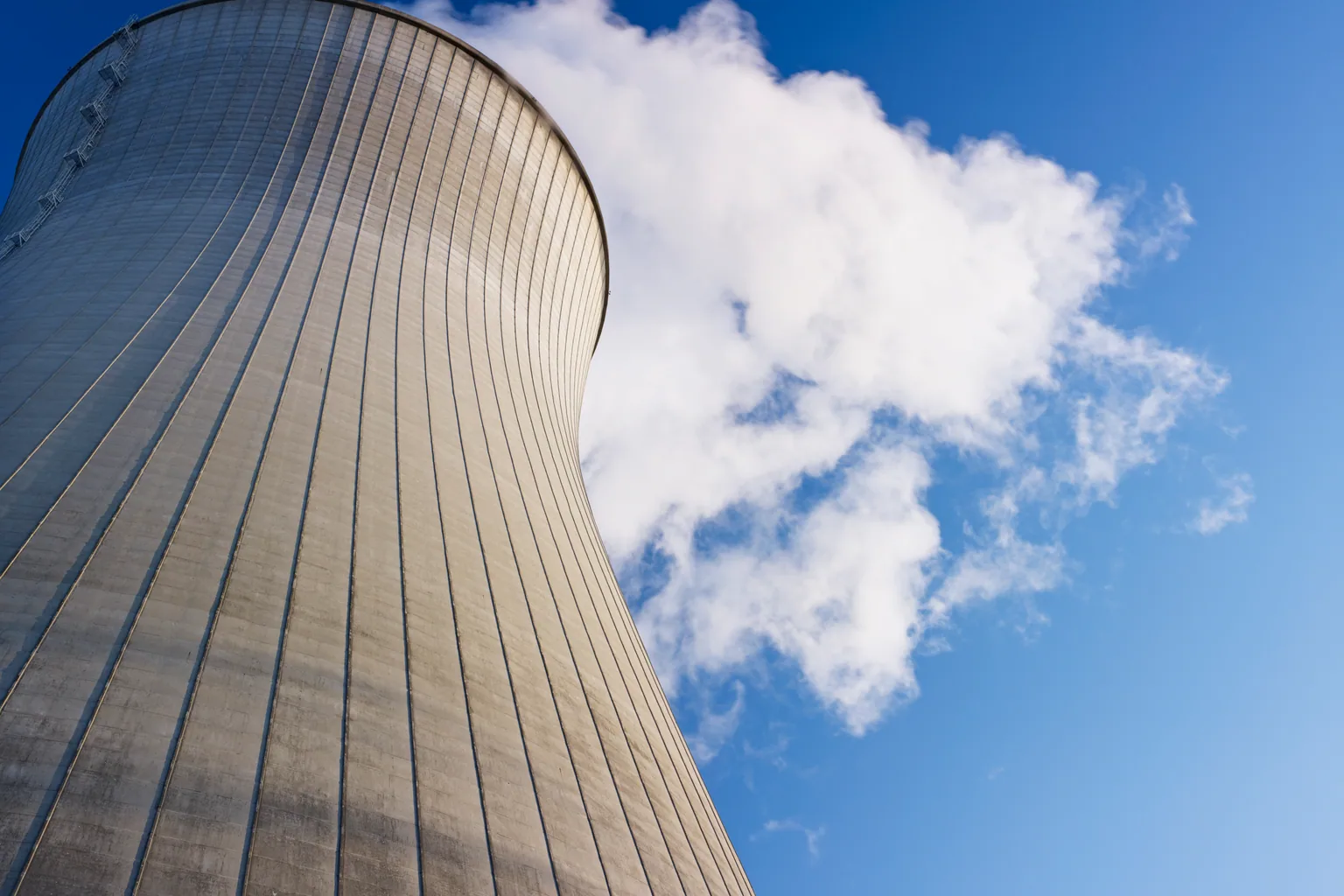
The U.S. Department of Energy has extended a $1.9 billion loan to NextEra Energy to refurbish and restart Iowa’s Duane Arnold Energy Center, a 615-megawatt nuclear plant that Google backed for revival last year.
The plant, which has been offline since 2020 after severe rainfall damaged it, is expected to return to service in 2029. For Google and other large buyers planning power-hungry AI infrastructure, the deal is another signal that restarting existing nuclear assets has become a serious part of the data-center energy playbook.
What changed
Duane Arnold was mothballed when repair costs collided with a power market shaped by cheap natural gas. Six years later, the economics have shifted: utilities face rising demand from data centers and wider electrification, while large technology companies need more around-the-clock, low-carbon electricity.
The DOE loan materially reduces the financing burden of the restart. It is also the second major federal loan tied to bringing a retired reactor back online. The department previously provided a $1 billion loan to Constellation Energy for the planned restart of a Three Mile Island reactor, which Microsoft has agreed to support and which is scheduled to return in 2028.
NextEra plans to increase Duane Arnold’s capacity by 14 megawatts during refurbishment, taking the plant to 615 megawatts.
Why operators should care
The attraction is clear: a restarted nuclear plant can provide firm generation without waiting for a greenfield nuclear project to be licensed, built and commissioned. That matters for hyperscalers whose data-center plans increasingly depend on securing multi-year power capacity rather than simply buying renewable-energy certificates.
Google is reportedly considering as many as six data centers near the Duane Arnold site. Co-locating or building near major generation can help a developer plan around interconnection constraints, though it does not eliminate the need for transmission, grid upgrades and regulatory approvals.
For utilities, the transaction offers a model for financing capital-intensive reliability assets when an anchor customer can help demonstrate demand. Federal credit support can further improve the project’s viability.
The local-power constraint
A restart does not automatically resolve broader regional affordability or availability concerns. NextEra CEO John Ketchum said last year that 50 megawatts would be reserved for the local power cooperative. That is a relatively small share of the plant’s 615-megawatt output, even if it would cover an estimated 18% of Iowa’s demand growth since 2021.
DOE Deputy Secretary James Danly said the restart would lower electricity costs, but the source reporting did not specify the mechanism. Executives and local officials should therefore distinguish between a project’s clean-energy and capacity benefits and its eventual impact on retail rates.
A narrow but important pipeline
Duane Arnold, Three Mile Island and Illinois’s Clinton Clean Energy Center illustrate the emerging value of existing nuclear fleets. Meta has arranged to buy Clinton’s clean-energy attributes, while the plant continues supplying the local grid.
But the pool of easy restart candidates is limited. Recently shuttered plants retain more of their operating infrastructure, workforce knowledge and regulatory pathway than facilities closed decades ago. Analysts have identified only a small number of additional plausible candidates, and longer-idled sites would likely require more extensive work.
What to watch next: the timetable for Duane Arnold’s refurbishment and licensing, the exact structure of Google’s power arrangement, local grid-upgrade plans, and whether DOE financing becomes a repeatable tool for other nuclear restarts. The larger question is whether these projects can arrive on schedule—before data-center demand forces buyers toward more fossil generation.