Google has raised the price of its Google TV Streamer from $99 to $149, a 50% increase for the 4K streaming box that also functions as a smart-home hub.
The new price is live in the Google Store and at Best Buy, according to *The Verge*. Amazon appeared to still list the device at its original $99 price at the time of reporting, creating a short-term channel discrepancy that buyers may be able to use.
What changed
The Google TV Streamer launched in 2024 as Google’s replacement for its Chromecast-era hardware approach. In addition to video streaming, the device is positioned as a central point for smart-home control.
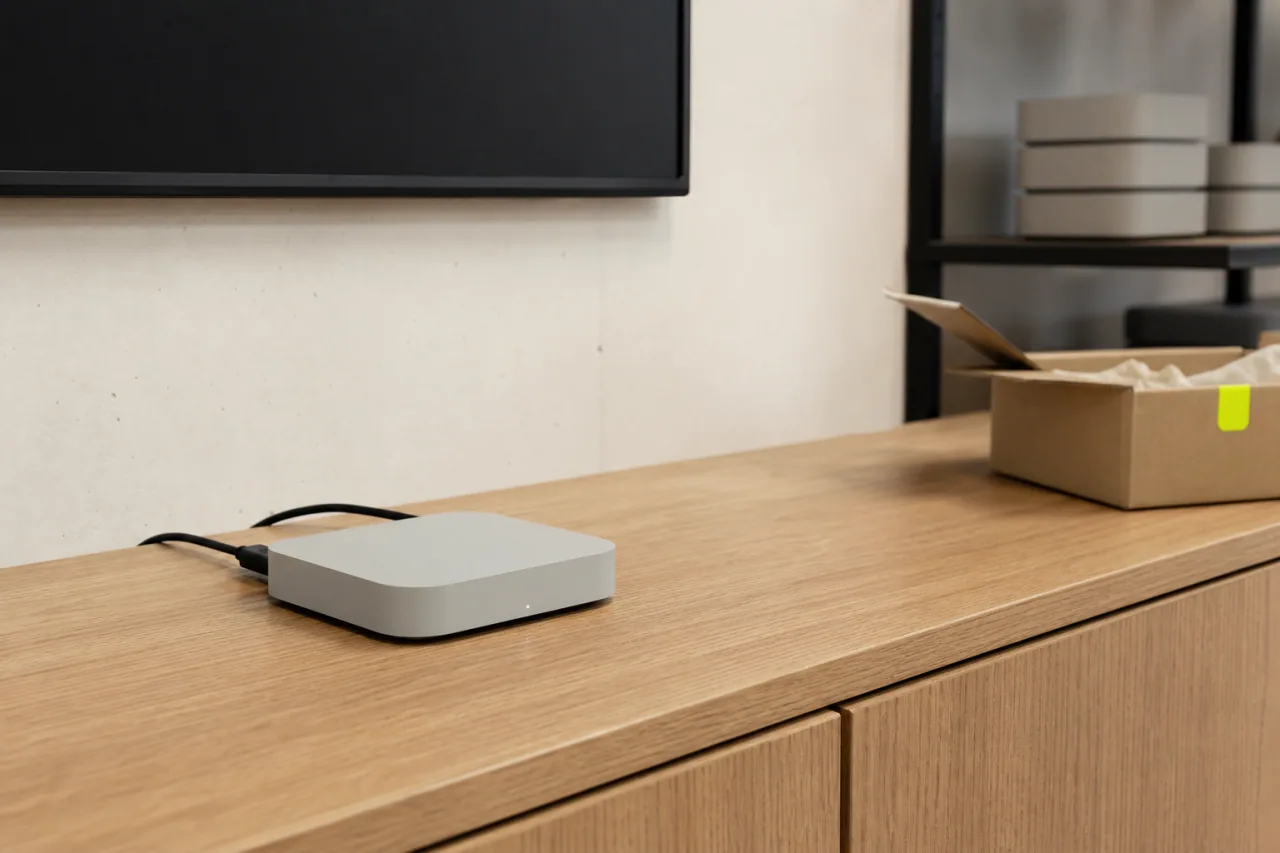
At $99, it sat in a more accessible range for a premium streaming device. At $149, it enters a different purchasing calculation: consumers and businesses buying hardware for shared spaces will compare it more closely with higher-end streaming boxes and with smart-home hubs that serve narrower functions.
Why operators should care
The increase is part of a wider rise in consumer-electronics pricing. *The Verge* reports that component shortages have been contributing to higher prices across categories including laptops and game consoles.
For hardware teams, the move is another signal that retail price assumptions remain unstable. A product launched at one price may not be able to preserve that price as component and supply costs change. That matters not only for margin planning, but also for channel management, promotions and inventory allocation.
Google’s recent Pixel pricing adds context. The company launched its Pixel 11 phone lineup only weeks earlier with prices $100 above the equivalent Pixel 10 models, according to the report. Taken together, the changes suggest a willingness to pass higher costs through to buyers rather than absorb them entirely.
The channel question
The differing listings at Google, Best Buy and Amazon highlight a practical issue for manufacturers and retailers: price changes do not necessarily reach every sales channel simultaneously.
That gap can accelerate demand through lower-priced inventory, but it can also complicate partner relationships and create confusion for customers. Teams managing direct-to-consumer and third-party retail distribution should expect similar timing mismatches whenever list prices move quickly.
What to watch next
The immediate question is whether Amazon updates its listing to $149 once existing inventory or pricing systems catch up. More broadly, watch whether other streaming-device vendors follow with increases and whether component constraints continue to affect consumer hardware categories.
For buyers, the lesson is straightforward: the $99 price may still be available through some retailers, but it no longer appears to be Google’s official baseline.