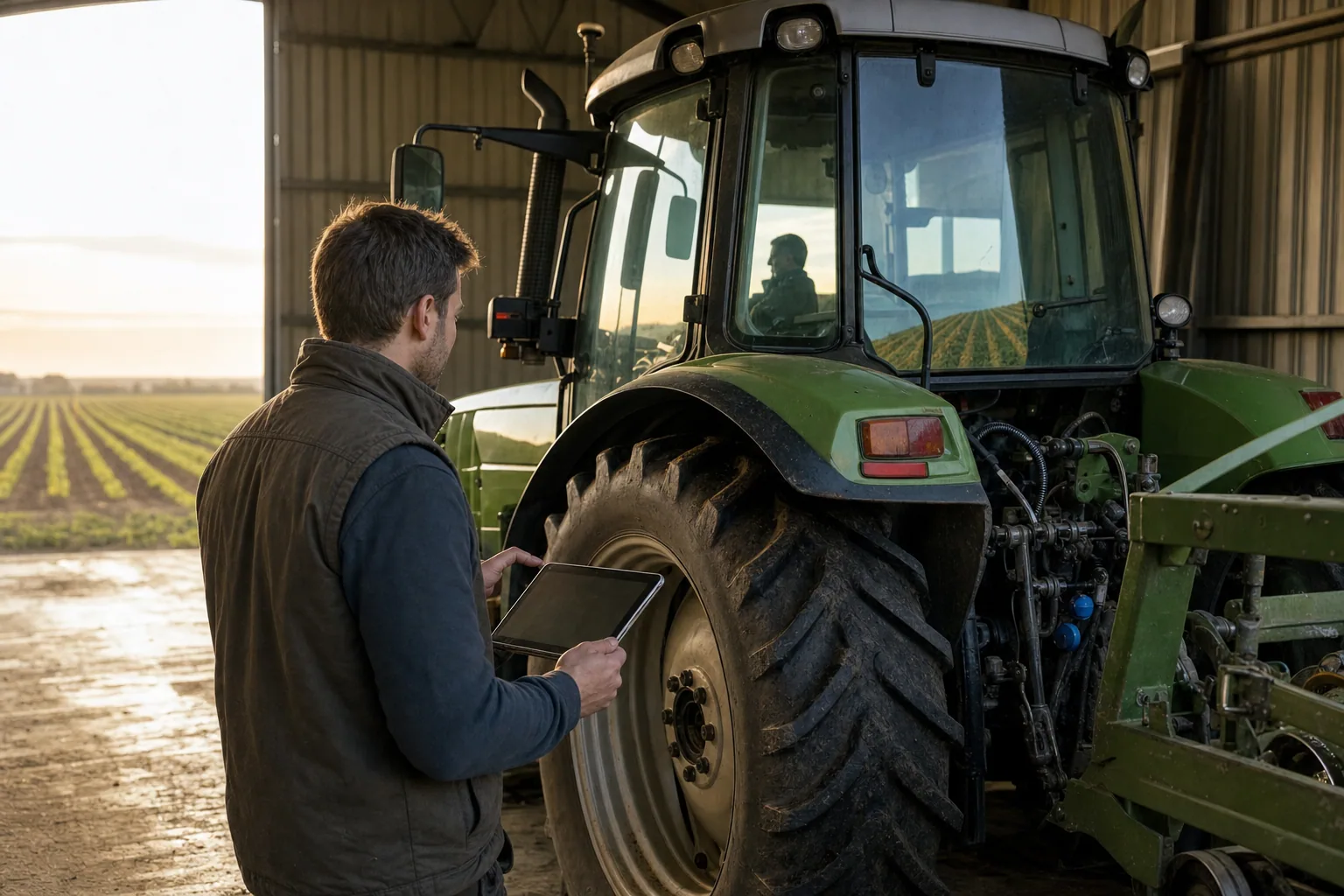
John Deere has launched an early-access test of an AI assistant called JD, aimed at helping farmers make operational decisions using data from their own farms.
The company says the tool can draw on a customer’s field, machine and operational data to answer questions about equipment settings, fuel use, harvest timing, historical trends and farming best practices. Deere has positioned the assistant around a straightforward economic promise: helping farmers make more money by turning data already produced by connected equipment into more usable guidance.
What changed
Farm machinery has been generating substantial operational data for years, from machine performance to field activity. Deere’s new product attempts to put a conversational interface in front of that information.
Rather than requiring a user to navigate dashboards or interpret data sets directly, a farmer could ask practical questions in natural language. The intended use cases span day-to-day decisions, including how equipment is configured, how much fuel is being used, and when a harvest may be best timed.
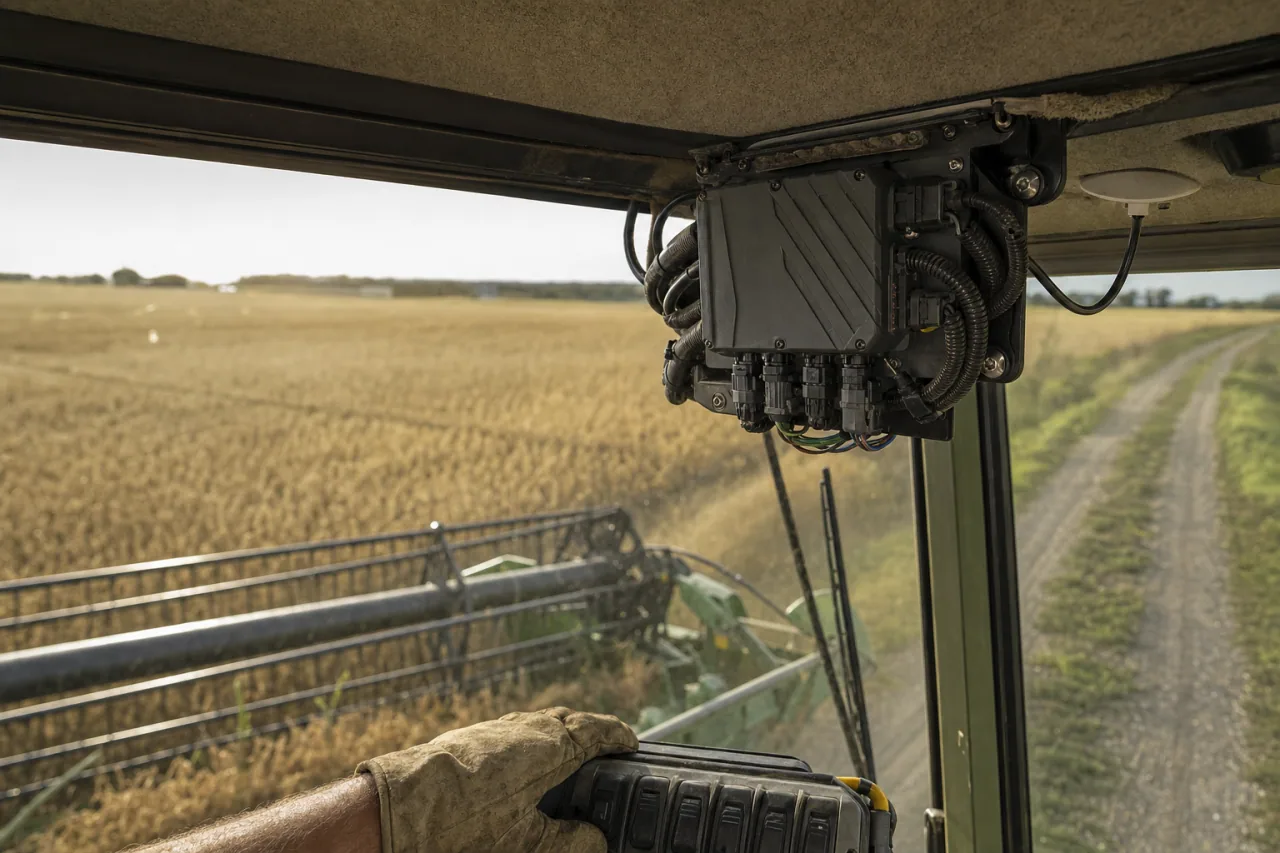
Deere has not said which underlying AI technology powers JD. The company is testing the assistant through an Early Access Program.
Why the data policy is central
The launch arrives after years of conflict between Deere, farmers and the Federal Trade Commission over repair access. That history makes ownership and control of operational data more than a product-detail issue.
In announcing the assistant, Deere also pointed to its ten-point Farmer Data Commitment. The commitment says Deere will not sell farmers’ data and that farmers can control it. For an AI product whose stated value depends on access to field and machine records, those commitments will be central to adoption.
The operational question is not only whether the assistant provides useful answers, but also what data it can access, how those answers are generated, and how easily a customer can manage or revoke that access.
What it means for operators and builders
For farm operators, JD could reduce the friction between data collection and action. The value case is strongest when the assistant can turn a specific question—about a machine setting, fuel consumption or timing—into an answer that is relevant to a particular operation rather than a generic recommendation.
For companies building AI tools in equipment-heavy industries, Deere’s approach illustrates a common path: pair a conversational layer with proprietary operational data. But such tools face a higher standard than general-purpose chatbots. Users will need to know whether the output is current, specific to their equipment and conditions, and reliable enough to inform costly decisions.
What to watch next
The early-access program should clarify which questions JD handles well, what information it cites or surfaces, and how much control farmers retain over data use. Deere’s choice not to disclose the AI technology behind the platform also leaves open questions about the system’s design and governance.
The product’s long-term test will be practical: whether it helps farmers make faster, better operational decisions without asking them to surrender control of the data that makes those recommendations possible.