
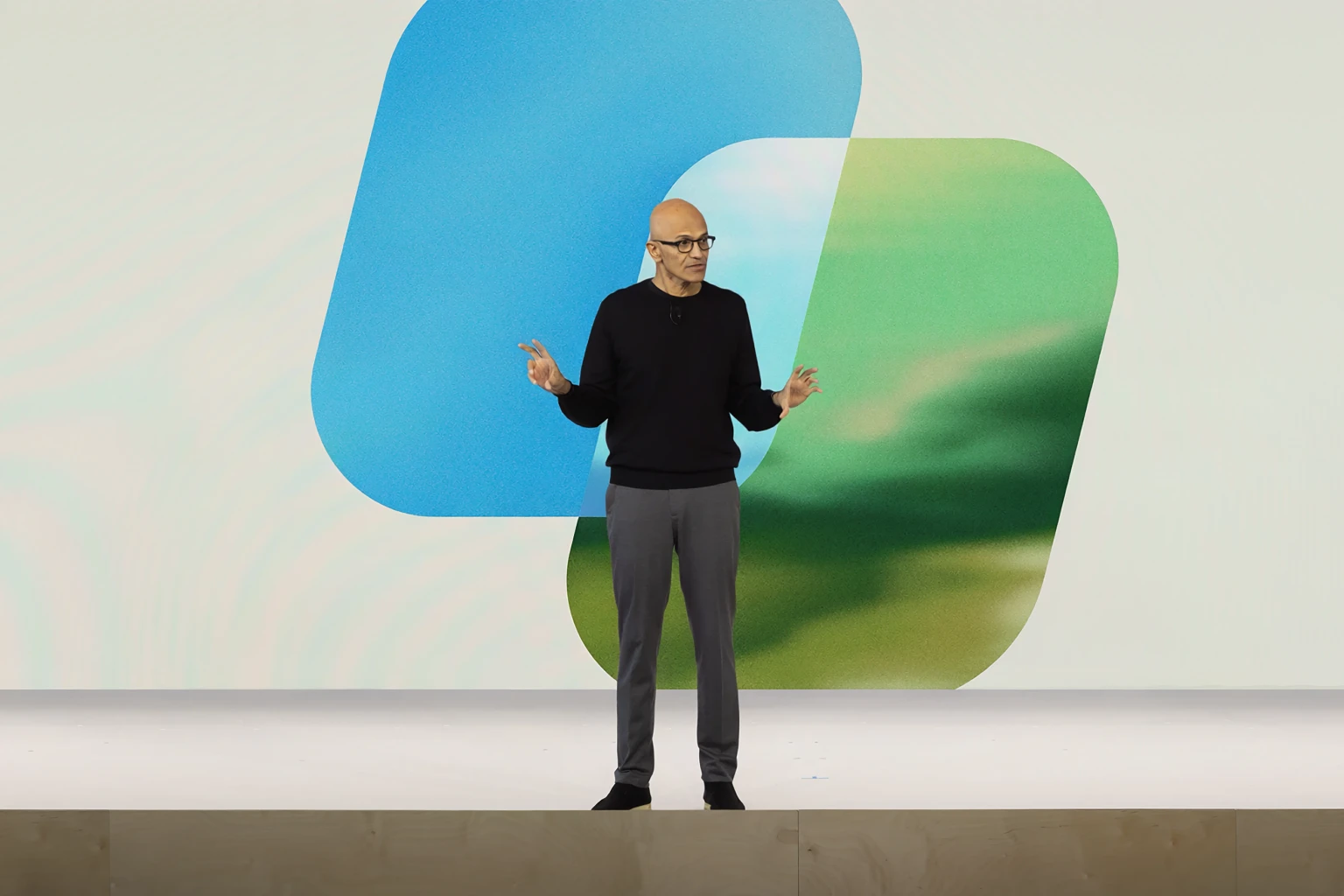
Microsoft is reshaping Copilot from a collection of AI features into what CEO Satya Nadella calls an “OS for work”: a unified interface where employees can chat, write code, run agents, and create or edit Office documents.
The change is more than a redesign. It is Microsoft’s latest attempt to turn its position in enterprise software into a durable AI workflow platform—after earlier efforts to sell Copilot as an add-on to Microsoft 365 met a muted response at its $30-per-user, per-month price point.
What changed
According to *The Verge*, Microsoft has spent recent months combining its consumer and commercial Copilot experiences into one app. The updated product organizes work into separate areas for chat, coding and Autopilot, its agent capability. It also brings Office directly into Copilot, including a ribbon-style editing interface resembling Office for the web.
That means users are expected to create and edit documents, presentations and spreadsheets inside Copilot rather than moving back and forth between an AI sidebar and Word, PowerPoint or Excel. The distinction matters: Copilot is being positioned as the primary workspace, while Office becomes a capability within it.
Microsoft has also changed the leadership model. Jacob Andreou, appointed earlier this year to lead Copilot across consumer and commercial products, now oversees its design, engineering and growth, reporting to Nadella. The organizational move aligns with a product strategy that treats the consumer and enterprise experiences as parts of a single platform, even if enterprise requirements set the direction.
Why agents are central—and difficult
The Autopilot brand replaces Microsoft Scout, an always-on personal agent that was introduced in desktop preview at the company’s Build conference. *The Verge* reports that the desktop app is now in maintenance mode while Microsoft emphasizes a cloud version under the Autopilot name. The report says the rebrand was driven partly by legal concerns over the Scout name.
The larger issue is not branding. Autonomous agents need access to business data and systems to be useful, yet that autonomy creates security, governance and audit problems. Nadella framed Microsoft’s objective as giving organizations control over their firms as AI systems learn and act. Andreou acknowledged that agents have been difficult to bring into enterprises because the flexibility that makes them powerful can alarm IT administrators.
For operators, that is the real product test. An agent that can draft an email is easy to demonstrate; an agent that can safely retrieve sensitive information, update a record, trigger a workflow or coordinate across systems requires permissioning, controls and clear accountability. Microsoft’s advantage is its existing enterprise identity, productivity and cloud footprint. Its burden is proving that Copilot can operate inside those boundaries reliably.
A bid to protect the Office franchise
Embedding full Office capabilities into Copilot is also an acknowledgment that generative AI may alter how knowledge work begins. If a user starts with a request—rather than an empty document or spreadsheet—the app that interprets the request and manages the resulting workflow can become more strategically important than the individual file editor.
Microsoft is betting its installed base will favor an AI workspace tied to familiar documents, organizational data and administrative controls. The company appears willing to leave broader consumer AI ambitions to competitors while concentrating on people who work in Microsoft’s ecosystem, including the reported 90 million consumers who pay for Microsoft 365 themselves.
What to watch next
The rollout should be judged on operational details rather than interface polish:
- **Governance:** How granular are Autopilot’s permissions, logs, approvals and data boundaries?
- **Workflow quality:** Can Copilot complete multi-step tasks across Office and enterprise systems, not merely generate drafts?
- **Adoption economics:** Does a unified workspace produce enough measurable time savings or process improvement to support paid deployment?
- **Product coherence:** Microsoft will need to make chat, coding, Office creation and agents feel like one workflow—not another set of overlapping Copilot surfaces.
Microsoft’s rethink is a clear strategic shift: Copilot is no longer just AI in Office. The company wants it to be the place where work is initiated, coordinated and governed. Enterprise customers will decide whether that promise is sufficiently useful—and sufficiently controllable—to earn a central place in daily operations.
*Source: The Verge.*