OpenAI is extending ChatGPT from a conversational assistant into a more complete workplace environment, introducing shared workspaces, agent personas, collaborative documents and presentation tools at its Dev Day conference in San Francisco.
The launch puts the company more directly alongside Microsoft and Google in the market for software teams use to create, organize and share work. It also sharpens a notable strategic tension: Microsoft has been one of OpenAI’s closest partners, while OpenAI is now building products that resemble parts of Microsoft’s productivity portfolio.
What OpenAI launched
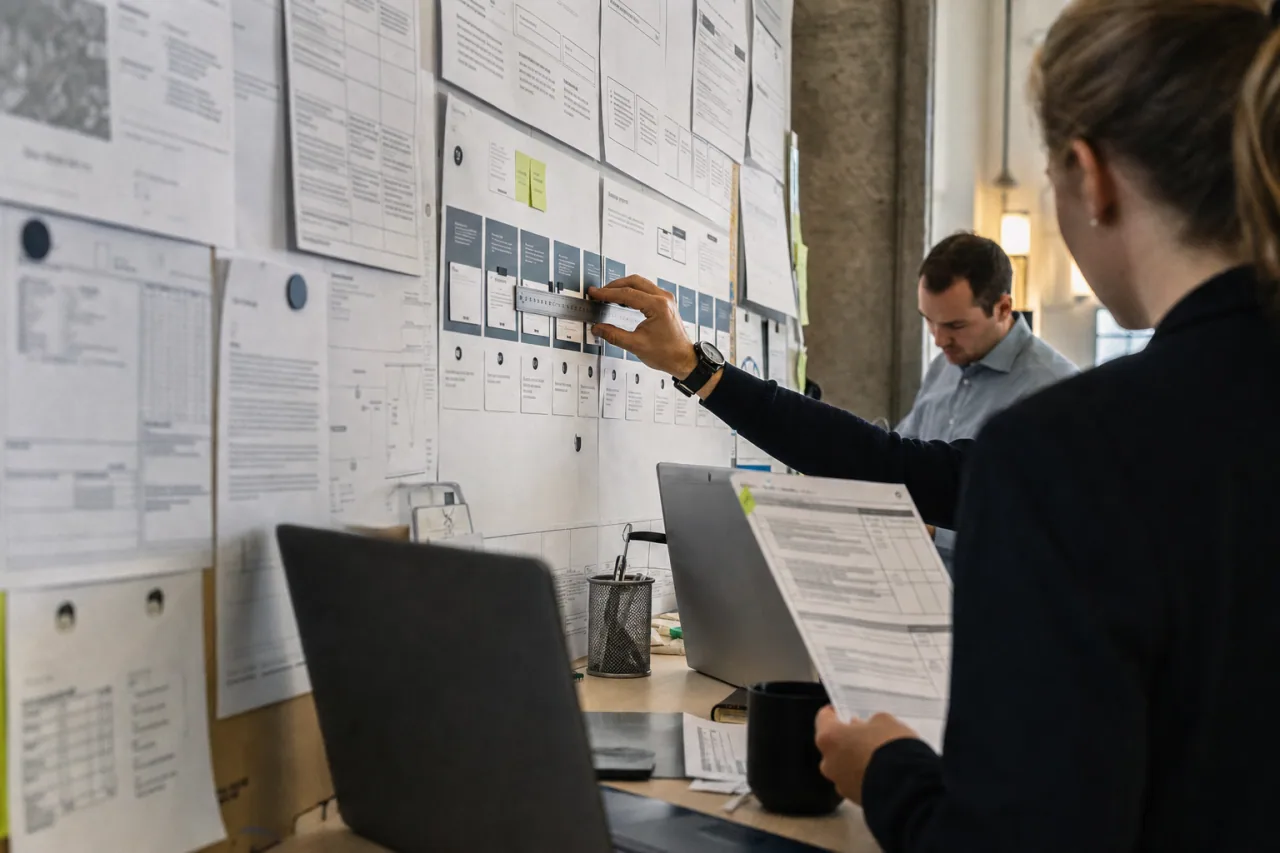
The centerpiece is Space, a shared workspace within ChatGPT where colleagues can work with one another, the chatbot and their assigned AI agents. OpenAI calls those agent personas Dots. The company says they can carry out tasks on a user’s behalf.
According to CEO Sam Altman, a Space brings pages and files together “like they would in a drive,” but is intended to be more active than a conventional file repository. In one example, a user can instruct a page to check a team channel and update the page with what it finds.
OpenAI also introduced Pages, which it describes as a document format built for human-and-agent collaboration. The product supports writing, research, chart generation, image creation and information visualization—capabilities that put it in the territory of Microsoft Word and Google Docs.
Finally, the company announced collaborative slides. Users can create presentations by describing what they want in ChatGPT, then have coworkers and agents edit, comment on and develop the resulting deck. That is a clear functional overlap with PowerPoint and Google Slides.
Why it matters for operators
The important shift is not simply that ChatGPT can generate a document or a slide. Many workplace tools already offer AI-assisted drafting. OpenAI is trying to make the AI system, its outputs, shared files and the people responsible for them live in the same working environment.
For teams, that could reduce context switching between a chatbot, document editor, file store, collaboration channel and presentation software. It may also make agent workflows more practical: rather than returning an answer in a chat window, an agent could be asked to update a living project page or contribute to a shared presentation.
That approach raises familiar operating questions. Businesses will need to determine what information agents may access, which team channels and files can be referenced, how edits are reviewed, and who is accountable for an automated update. The value of a workspace that feels “alive” will depend heavily on controls, permissions and auditability.
A more direct Microsoft overlap
Microsoft and OpenAI remain closely connected, but this release moves OpenAI closer to a suite-level product strategy. Space resembles a shared work hub and file layer; Pages targets document creation; collaborative slides target presentation work. Together, they make ChatGPT look less like an add-on and more like a potential destination for knowledge work.
The competitive pressure runs both ways. Microsoft and Salesforce have been adding AI capabilities across their own products as software vendors adapt to AI-centric workflows. OpenAI’s move suggests the contest is increasingly about where work happens—not only which model powers an assistant.
What to watch next
The key question is whether organizations adopt these tools as a separate ChatGPT-centered workspace or use them alongside existing Microsoft 365 and Google Workspace deployments. Adoption will likely turn on integration quality, governance features and whether agents can reliably complete narrow but valuable workflows.
For founders and software builders, the signal is clear: AI collaboration is moving beyond chat interfaces. Products that connect agents to shared work artifacts—and provide credible human oversight—are becoming a more central part of the workplace software stack.