Iceland-based Treble has raised an $18 million extension to its Series A, led by Paladin Capital Group. The round brings the acoustic-simulation startup’s total funding to more than $40 million, including a $12 million investment in 2024.
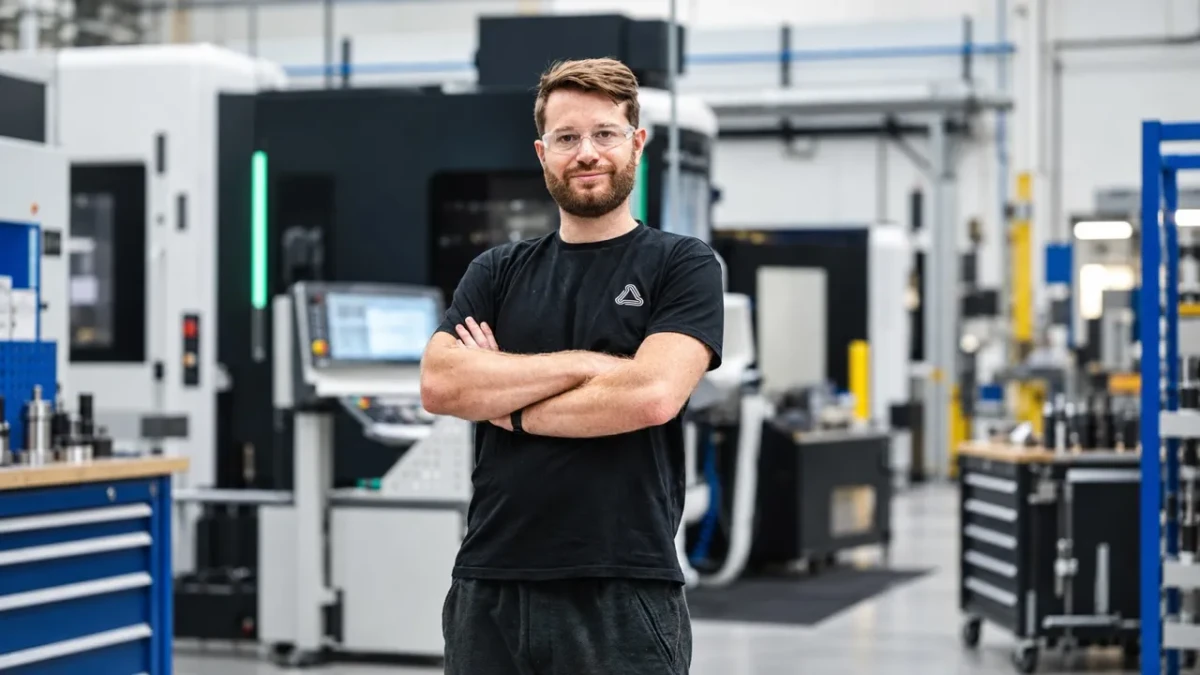
Founded in 2020 by acoustic engineers Finnur Pind and Jesper Pedersen, Treble is building tools for a problem that becomes more consequential as voice moves beyond call-center automation: testing whether audio systems work in the messy, variable conditions of the real world. The company counts Amazon and Logitech among its customers.
What Treble sells
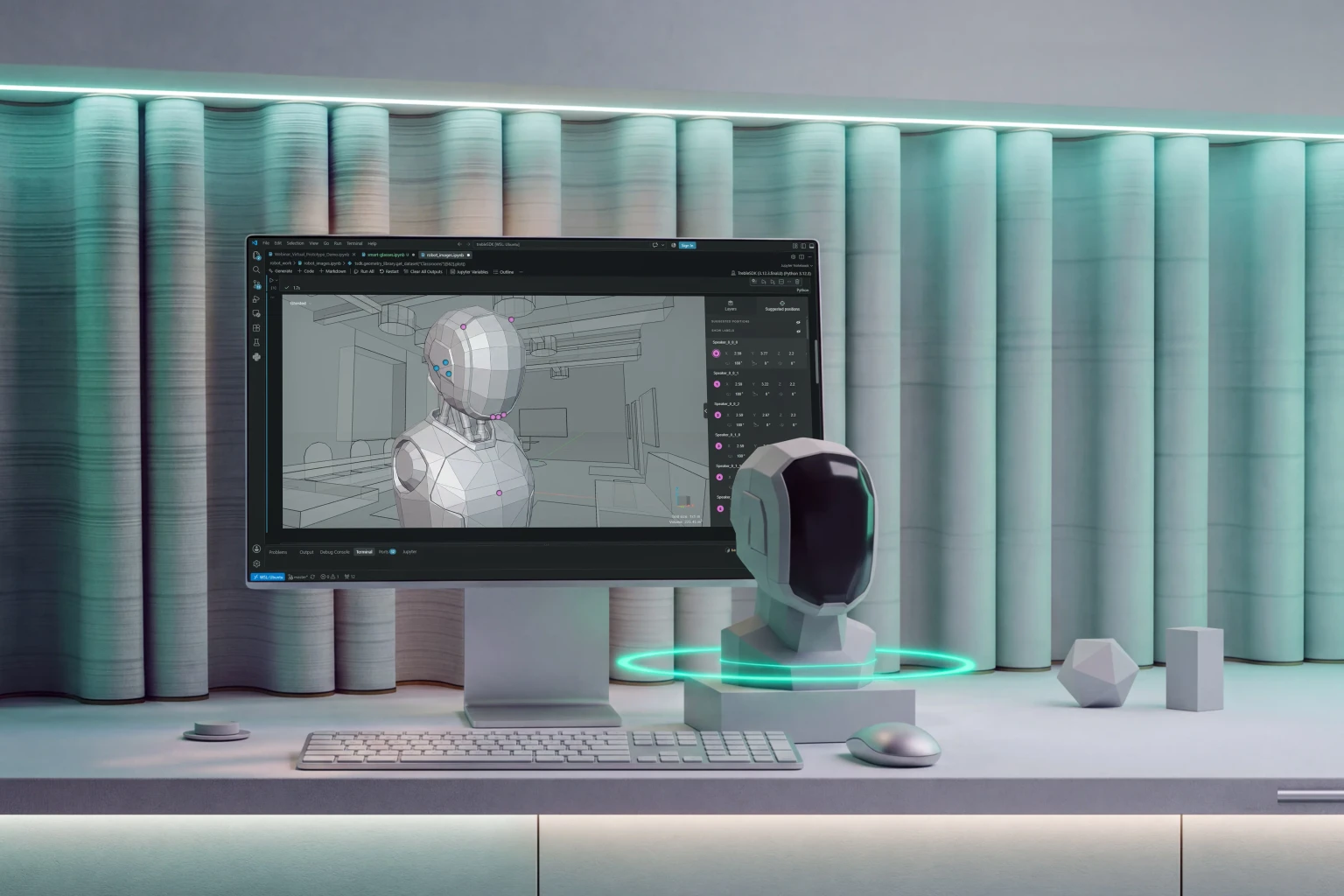
Treble’s platform spans synthetic audio-data generation, voice-model evaluation and virtual testing for devices. For voice AI teams, it can create simulated acoustic conditions for tasks such as speech enhancement, noise suppression and model training. It also evaluates speech models under varying realistic conditions and returns feedback to developers.
Earlier this year, Treble partnered with Hugging Face on a benchmark for automatic speech-recognition models across those conditions.
The company also applies its simulation work to product design. A device maker can use virtual prototyping to assess how a speaker or other voice-operated device may perform in different placements and environments, rather than relying solely on physical prototypes and field testing.
Why simulation is becoming a business need
Voice systems are increasingly embedded in products where poor performance is not just an inconvenient chatbot exchange. Wearables, smart glasses, robots, cars and drones must contend with room acoustics, wind, competing speakers, background noise and device placement.
That creates a development bottleneck. Real-world recordings are important, but they can be expensive to collect, slow to label and limited in coverage. Treble’s premise is that physics-based simulation can expand the set of test conditions available to teams while giving them a repeatable way to compare models and hardware designs.
For operators, the appeal is less about replacing field testing than moving more experimentation earlier in the product cycle. Teams can use controlled scenarios to identify failure modes, decide which model or microphone configuration to pursue, and reserve costly physical validation for the highest-priority cases.
That is especially relevant as companies combine AI models with new hardware. A speech-recognition benchmark alone does not establish whether a particular device will understand a command in a crowded room, at a distance or in motion. The model, microphone array, enclosure and intended use environment all matter.
The push into physical AI
Treble says it intends to increase its focus on physical AI, including robotics, automotive and drone applications. That move broadens its addressable market, but also raises the bar: these categories have more distinct acoustic environments and, in some cases, tighter reliability requirements than consumer voice interfaces.
Paladin’s investment thesis is that a shared acoustic simulation layer can become more valuable as more products depend on sound understanding, while customers retain ownership of their own models and workflows. The central question is whether simulation becomes integrated enough with customers’ development pipelines to be difficult to displace.
What to watch next
The useful indicators will be adoption and workflow depth, not the funding total. Watch for evidence that Treble’s evaluations influence model selection or release decisions; expansion from audio-device design into robotics, automotive and drones; and whether its Hugging Face benchmark gains practical use among speech-model developers.
The broader takeaway for builders is straightforward: as voice AI reaches physical products, differentiation may depend as much on testing infrastructure and data quality as on the underlying model. Treble is betting that acoustics simulation becomes part of that foundational stack.