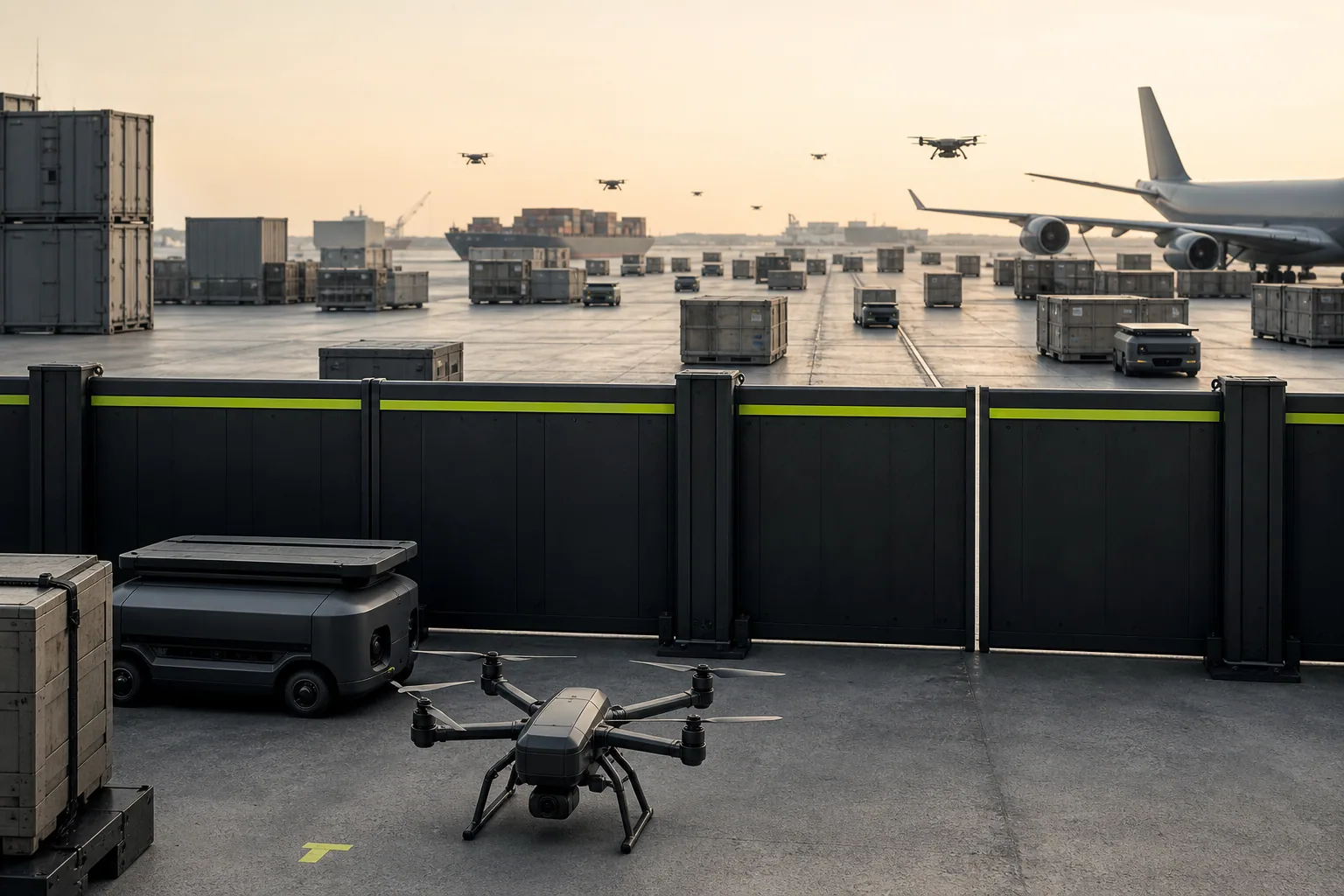
The U.S. is putting up more barriers to foreign-made drones and robots, particularly equipment tied to China. The strategy aims to reduce reliance on overseas technology in sectors with commercial, industrial and potential security implications.
But restricting access to the U.S. market does not necessarily constrain the companies and supply chains involved. China’s advantage is scale: a large manufacturing base, established component ecosystems and the capacity to serve customers in markets outside the United States.
A market-access strategy meets a scale advantage
For U.S. policymakers, limiting foreign hardware can create room for domestic suppliers and reduce exposure to products made abroad. For operators that use drones or robotic systems, however, restrictions can alter procurement options, pricing and replacement cycles.
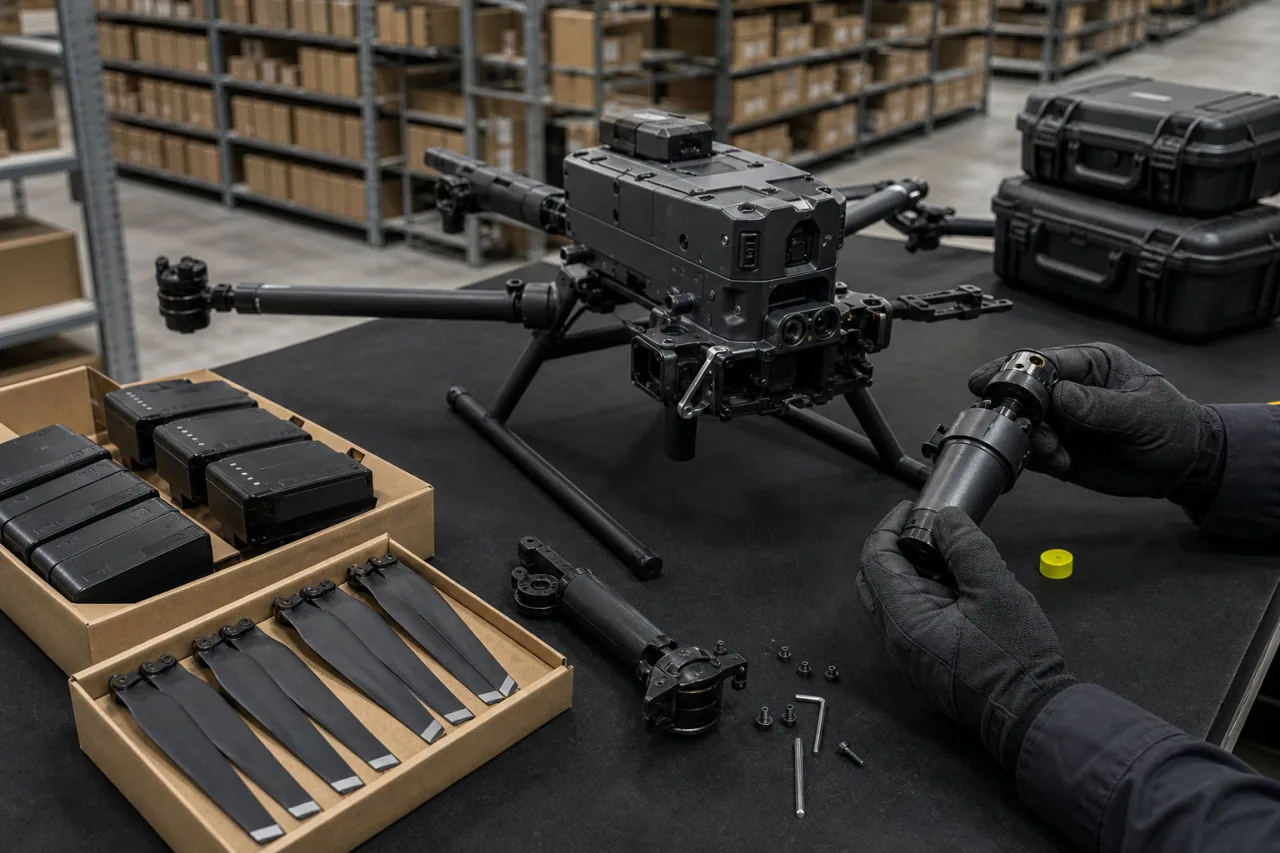
The larger issue is whether a U.S.-only barrier can reshape a global market. If Chinese manufacturers retain the ability to produce at volume and sell internationally, they can continue building revenue, supplier relationships and product feedback loops elsewhere. That can preserve the scale advantages that make it difficult for competitors to match prices and iterate quickly.
What it means for builders and buyers
Domestic drone and robotics companies may see a clearer opening in the U.S. But an opening is not the same as a durable competitive position. Companies will still need to build reliable hardware, secure components, support customers and reach manufacturing volumes that make their products economically viable.
For enterprise and public-sector buyers, the change raises practical questions:
- Which products remain available under new restrictions?
- Can domestic alternatives meet performance and support requirements?
- How will rules affect total cost, including maintenance, software and replacement parts?
- Are suppliers able to provide credible, resilient component supply chains?
These questions matter because drones and robots are not standalone purchases. They depend on sensors, batteries, communications equipment, software, repair networks and trained operators. A restriction affecting one part of that system can create downstream operational costs.
Competition could move outward
China’s scale means the contest may increasingly play out outside the U.S. Companies that cannot sell into the American market can pursue demand in other regions, where buyers may prioritize cost, availability and deployment speed.
That dynamic could create a more fragmented industry: one set of suppliers and standards for the U.S. market, and another serving broader international demand. Such fragmentation may offer domestic vendors protected demand at home while making it harder for them to gain the global volume needed to compete with large overseas manufacturers.
What to watch next
The key test is whether U.S. restrictions are accompanied by measures that help local suppliers scale. Market access alone will not resolve constraints in manufacturing capacity, component sourcing or customer adoption.
Executives should watch for changes in procurement rules, the availability of compliant alternatives and whether international markets coalesce around competing drone and robotics ecosystems. The policy direction is clear: the U.S. is trying to reshape who can sell critical hardware within its borders. The unanswered question is whether that changes the global balance of production—or merely relocates the competition.