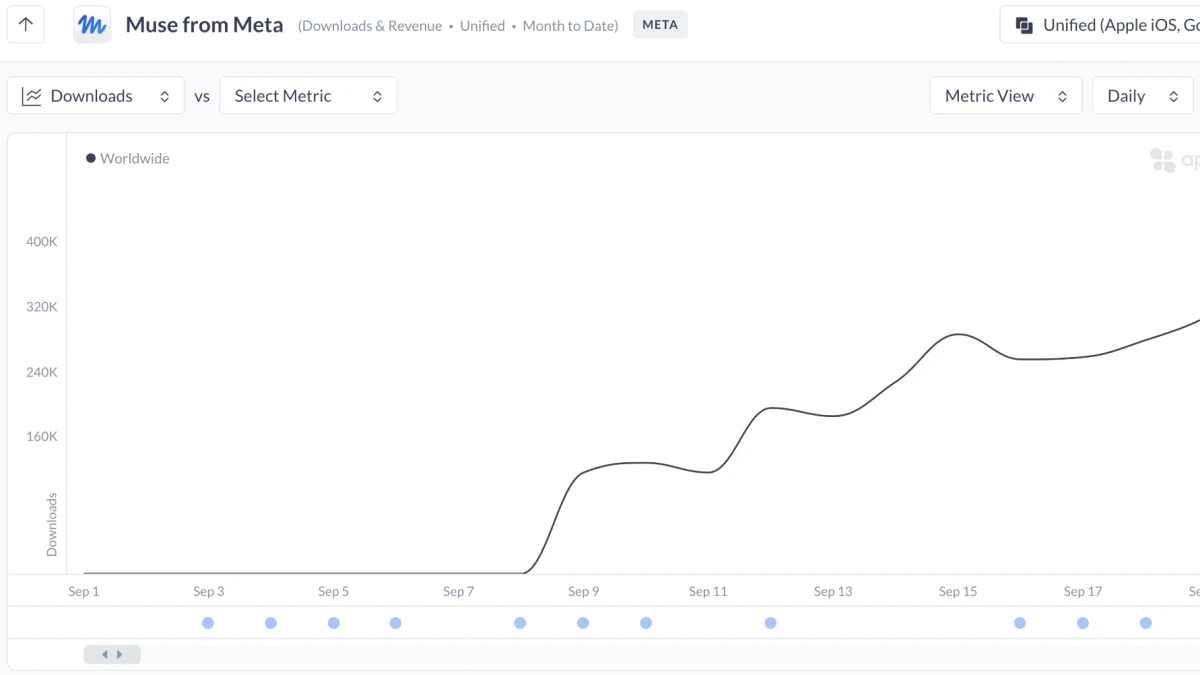
Amazon has blocked Meta’s Muse AI agent from shopping on amazon.com on users’ behalf, according to reporting from *The Verge* and GeekWire. The move is an early but consequential test of how large consumer platforms will handle AI agents that navigate, compare and buy products for customers.
Muse users began seeing a message saying that continued access by an unauthorized AI agent violates Amazon’s Conditions of Use. Amazon’s concerns, as reported, include that Meta did not notify it of Muse’s access, that the agent did not clearly identify itself while browsing, and that it could capture customer credentials.
Meta has said Muse cannot see secure login details or card payment information. But the dispute arrives amid wider privacy questions around the new agent, including reports that it could view message contents without the relevant access permission enabled.
What changed
The immediate change is practical: Muse can no longer complete Amazon shopping flows in the way it apparently could during early testing. But the larger change is strategic. Amazon is signaling that an agent cannot simply use a consumer-facing website as a back end for a competing assistant’s shopping experience.
That position gives Amazon control over the terms under which agentic services can reach its catalog, fulfillment workflows and customers. It also limits the risk that third-party assistants become the primary interface for product discovery—potentially weakening Amazon’s direct relationship with shoppers and its ability to shape search, recommendations and advertising.
Why it matters for operators
Agentic commerce depends on more than a capable model. It requires reliable access to retailers, identity and authentication systems, product information, checkout flows, returns processes and customer-service channels. A retailer blocking an agent can break the customer experience at any one of those points.
For companies building shopping agents, browser automation alone is therefore an unstable distribution strategy. They may need explicit commercial agreements, documented APIs, clear agent identification and scoped permissions for actions such as searching, adding items to a cart and purchasing.
For retailers and marketplaces, the episode frames a different decision: whether to treat external agents as a new acquisition channel or as intermediaries that dilute differentiation and increase fraud, privacy and support burdens. The answer may vary by category. Commodity purchases may be easier to delegate, while retailers may be more protective of high-consideration transactions, loyalty programs and proprietary recommendations.
Security is central to the negotiation. Agents that act across sites need to prove what they are, what the user authorized and what data they can access. If that trust layer is weak, platforms have a strong incentive to block them rather than troubleshoot edge cases involving credentials, payment data or unintended orders.
Amazon’s broader posture
This is not Amazon’s first conflict with an AI shopping service. It sued Perplexity last year over the use of Amazon in Perplexity’s Comet shopping experience; a judge sided with Perplexity in August, according to Reuters. *The Verge* also reports that Amazon has made its order-confirmation emails less informative since July, omitting details such as item names and product images that could be mined by outside AI services.
Together, those moves suggest Amazon is pursuing both legal and product-level defenses against outside agents using its commerce data and customer workflows.
What to watch next
The key question is whether this ends in a negotiated integration model or a prolonged cycle of blocks, workarounds and litigation. Watch for retailer-specific agent APIs, new disclosure requirements for automated browsing, and consent systems that let users authorize limited actions without exposing credentials.
The winners in AI shopping may not be the agents with the most fluent interfaces. They may be the ones that can secure durable, transparent access to the systems where transactions actually happen.