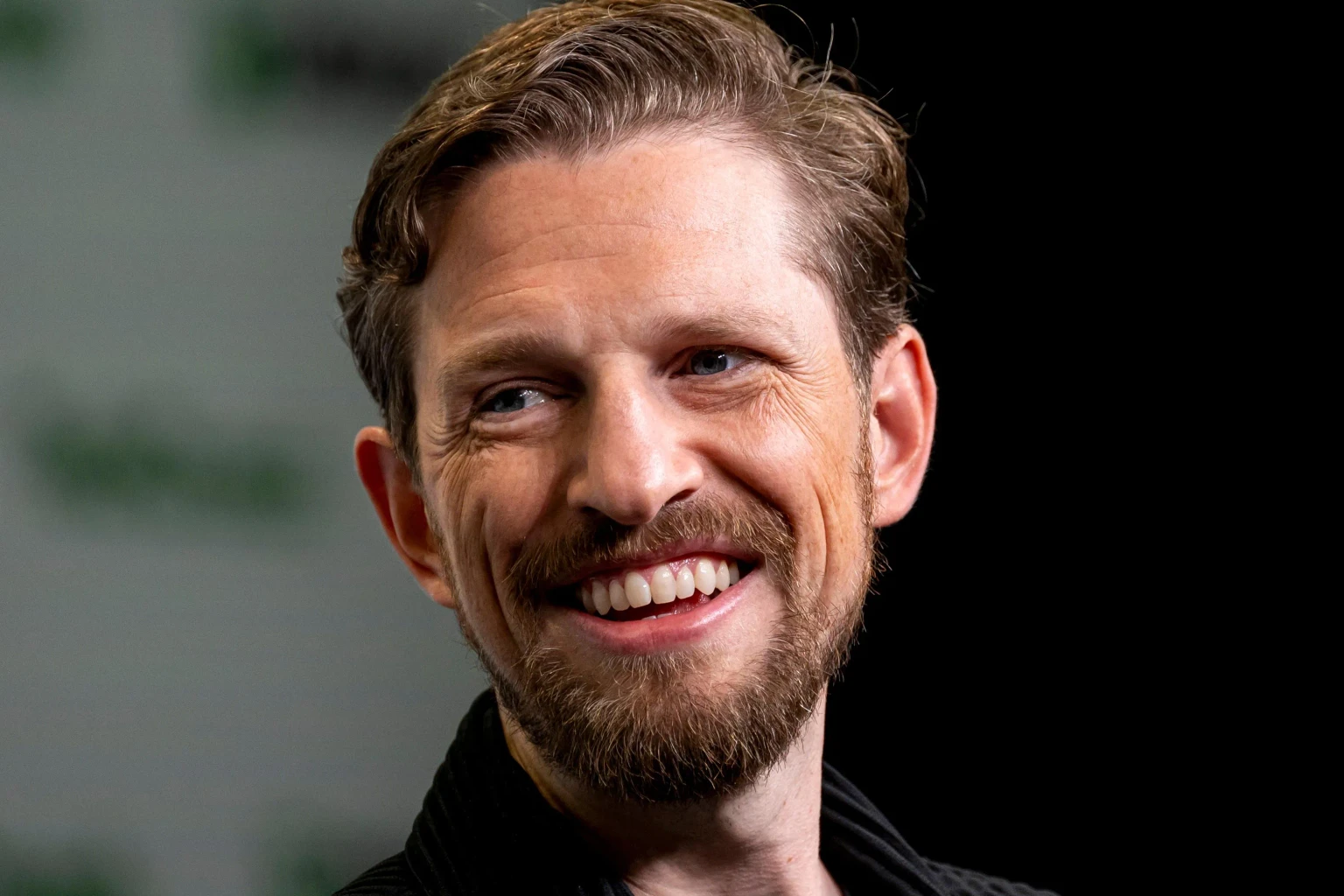
Automattic has placed CEO Matt Mullenweg on a paid leave of absence, with chief financial officer Mark Davies taking over as interim CEO. The decision, confirmed by an Automattic spokesperson to *The Verge*, removes the company’s founder from day-to-day leadership while leaving him on its board.
The transition matters beyond one software company. Automattic operates WordPress.com and owns brands including Tumblr and Pocket Casts, while Mullenweg is also a co-founder of WordPress.org. That puts a board-led governance event at Automattic under particular scrutiny from customers, hosting partners, developers and the broader WordPress community.
What changed
Mullenweg told employees in a company-wide Slack message, first reported by 404 Media, that the board had voted to place him on leave and appoint Davies interim CEO. He said he voted against the move and alleged that Davies and board members had acted without him. Mullenweg also said he received the resolution shortly before the meeting and was denied additional time to seek independent legal counsel.
In a message reported by 404 Media, board member Toni Schneider said the board had asked Mullenweg to step away from the CEO role and expressed confidence in Davies’s ability to lead while he is out.
Automattic’s public statement was more limited: Mullenweg is currently on leave, Davies will lead as interim CEO, and the board has confidence in Davies and the team’s ability to execute against company priorities. The company did not state the reason for the leave, its expected duration, or the conditions for Mullenweg’s return.
Why it matters for the WordPress business
Leadership continuity is the immediate operational test. Davies is already familiar with the company as CFO, and the board’s decision to install an internal interim leader signals a preference for stability rather than an immediate outside search. For customers and partners, the key near-term question is whether product roadmaps, service levels and commercial relationships continue without disruption.
But Automattic’s position is unusually intertwined with an open-source project. WordPress’s ecosystem includes hosting providers, agencies, plugin developers, publishers and enterprises that depend on predictable technical and governance signals. Mullenweg’s influence has extended across both Automattic and WordPress.org, so a change in his executive role naturally raises questions about how decisions will be communicated across those connected but distinct institutions.
The leave also arrives after a period of sharp conflict. Mullenweg’s public campaign against WordPress hosting company WP Engine in 2024 divided parts of the open-source community and led to litigation that remains ongoing, according to *The Verge*. 404 Media also reported that Automattic offered severance packages to employees who disagreed with Mullenweg’s stance during that period; 159 people accepted one such offer.
Those events make the board’s move more consequential than a routine temporary handoff. It could affect confidence among employees, contributors and commercial partners even if the company’s operations do not materially change.
What operators should watch next
First, look for clarity on authority. Mullenweg remains a board member, and Davies said in an internal message that Mullenweg would retain a voice in setting direction and making decisions. How the board delineates the interim CEO’s operating authority from the founder’s board role will shape whether the transition feels clean to staff and outside stakeholders.
Second, watch for changes in Automattic’s public posture toward WP Engine, WordPress governance and ecosystem partners. A more institutional decision-making process—or simply a different communications style—could alter the temperature of those relationships without changing the company’s legal or commercial positions.
Finally, watch retention and execution signals: leadership appointments beneath Davies, product releases, partner communications and any further board statement on the scope or timing of the leave. For businesses built on WordPress, there is no announced product or platform disruption. The practical task is to monitor governance developments while maintaining normal contingency planning for a widely used but strategically important software ecosystem.