OpenAI has introduced ChatGPT Images 2.5, adding a feature called Sketch that lets users draw a rough concept directly in ChatGPT and use it as the basis for an AI-generated image. The update also adds the ability to leave comments on specific parts of an image for targeted revisions.
The release is now available to ChatGPT, ChatGPT Work, and Codex users on desktop, mobile, and web, according to OpenAI.
What changed
Sketch is invoked by typing `@Sketch` in the ChatGPT message box, which opens a drawing window. A user can make a basic drawing, then describe the intended output—for example, turning a loose outline into a realistic image.
That matters because a sketch can communicate composition, placement, proportions, and visual hierarchy more quickly than a detailed text prompt. Rather than trying to describe where every object should sit, a user can draw the relationship and ask the model to render it in a chosen style.
OpenAI also says Images 2.5 improves natural lighting and texture, follows editing instructions better across multiple turns, and reduces image-generation latency by up to 50% compared with Images 2.0.
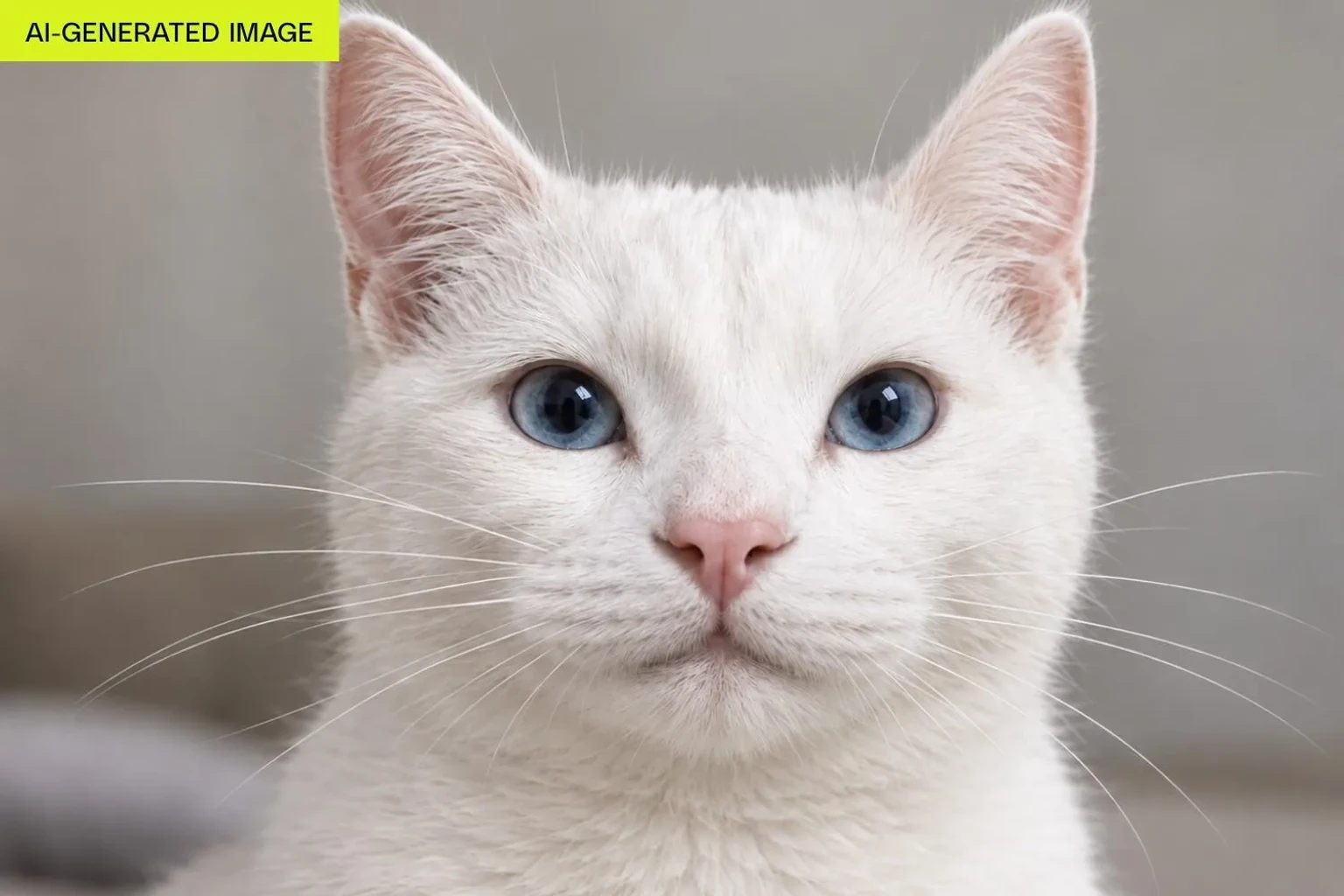
The second interface change may be as consequential as the sketch canvas: users can attach comments to particular areas of an image that need revision. In a reported test by *The Verge*, this was used to change a cat’s eye color without reframing the entire request.
Why it matters for teams
For operators and builders, the update moves image generation closer to an iterative creative tool than a one-shot prompt box. Many visual tasks begin with an imprecise brief: a marketer’s layout idea, a product manager’s rough mockup, or a founder’s concept drawn during a meeting. Sketch gives those inputs a direct path into the generation workflow.
That could reduce back-and-forth on early-stage assets such as campaign concepts, presentation visuals, illustrative product ideas, and internal prototypes. The practical value is not that rough drawings suddenly become production-ready designs; it is that teams can create a more concrete starting point before involving a designer or commissioning final work.
Point-specific comments could also make revisions more controlled. Generative-image workflows often struggle when a request to change one detail unexpectedly alters the rest of the image. If the feature reliably preserves unaffected areas, it may cut the time spent re-prompting and comparing near-duplicate outputs.
For software teams using ChatGPT Work or Codex, the availability across ChatGPT’s products suggests image creation is becoming a standard capability alongside text and code assistance, rather than a separate specialist workflow.
What to watch next
The important question is consistency. OpenAI says the model follows editing instructions better over multiple turns, but business adoption will depend on whether it can retain a sketch’s composition and honor localized changes without introducing unwanted edits.
Teams should also establish review practices before using generated visuals externally. A faster concepting loop does not remove the need for brand review, factual checks, accessibility considerations, or rights and policy assessment.
The larger shift is interface-driven: as image models accept sketches and localized annotations, users need less prompt-writing skill to express intent. That lowers the barrier for non-designers while raising the value of teams that can turn fast visual iterations into clear, governed production workflows.