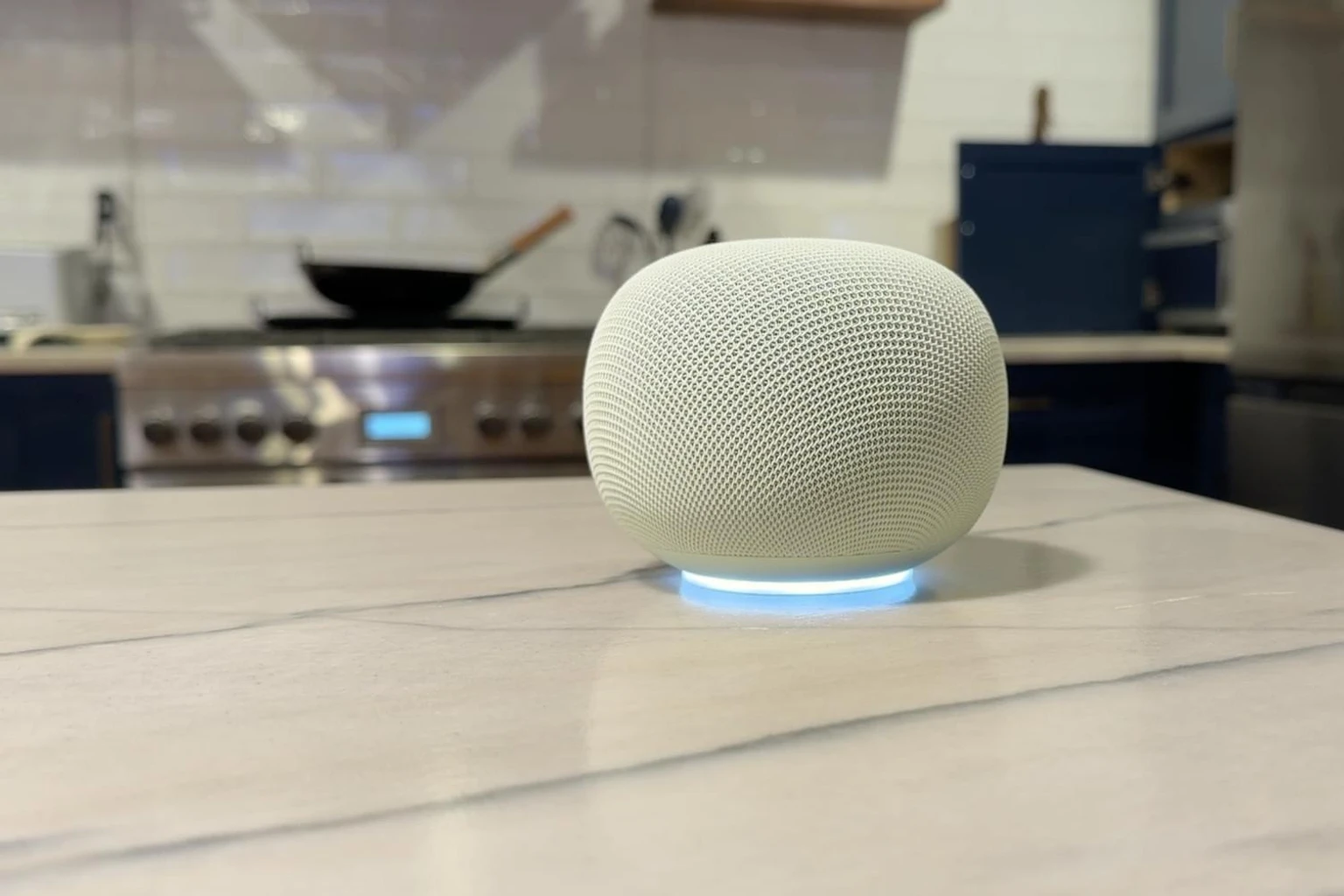
Google is adding a new control layer to its smart-home ecosystem: compatible AI agents can now access Google Home devices and event history through the Model Context Protocol (MCP).
The integration, called Google Home MCP, is designed to let agents including Google Antigravity, Claude, Hermes and Open Claw monitor devices, analyze home data and take actions through their own interfaces. Google’s Gemini for Home remains the primary assistant inside the Google Home app and Nest speakers; MCP is an additional developer-facing connection point.
At launch, access is limited to Google Home Premium Advanced subscribers in the US, priced at $20 a month or $200 a year. Users must also create and configure a Google Cloud project.
What changed
Traditional smart-home assistants largely turn individual commands into individual actions: switch on a light, set a thermostat, show a camera feed. MCP gives an agent access to a broader data and control layer, enabling it to reason across device states and history.
Google cites examples such as asking an agent to review camera activity around a child’s arrival home, count laundry loads over a week, identify how long lights were left on, send an audio message through a Google Home speaker, or create a custom control dashboard.
That distinction matters. A capable agent could potentially diagnose a broken automation, identify patterns in energy or appliance usage, and configure workflows in natural language rather than requiring a user to navigate device-specific settings and automation rules.
The business case is infrastructure, not just voice control
The strategic significance is Google’s willingness to support agents beyond its own. By using MCP, an increasingly common interface for connecting AI models to external tools and data, Google can make its home platform usable from multiple agent environments without requiring developers to build a bespoke integration for each one.
For builders, that creates a potential foundation for specialized services: property-management workflows, home-energy monitoring, accessibility tools, care coordination or smarter device-support products. Those services can build a differentiated interface or agent while relying on Google Home for connected-device access.
For Google, the approach extends its role from assistant provider to platform operator. The company already introduced Google Home API access in 2024 and has positioned Gemini for Home as a broader offering for partners. If developers adopt the MCP integration, Google benefits even when the end user chooses another AI agent.
This is a familiar infrastructure play: own the identity, permissions, device connectivity and operational data layer, while partners compete to deliver the experience on top.
Safety and privacy are the constraint
The value of agentic smart-home systems comes with a more consequential failure mode than a bad text response. Connected homes can include locks, cameras, thermostats, HVAC equipment and appliances. An incorrect action, overly broad permission or compromised agent could affect physical security, privacy and comfort.
Google says Home MCP applies rate limits and safety protections, including a restriction that prevents agents from unlocking doors. But the company also warns that connecting an agent can produce unexpected or undesired behavior.
Operators building on the system should treat those warnings as product requirements, not boilerplate. They will need clear consent flows, narrowly scoped permissions, audit trails, reversible actions, human confirmation for consequential tasks and defaults that minimize access to sensitive camera and event-history data.
What to watch next
The first test is practical adoption: whether users will complete a Cloud-project setup and pay for the required subscription, and whether developers can build reliable experiences around the integration.
The second is platform durability. Google has launched and retired several smart-home initiatives over the years, which may make partners cautious about committing engineering resources. Sustained APIs, stable policies and predictable commercial terms will matter as much as the quality of the agent demos.
Finally, watch for the permissions model. The companies that make AI agents useful around real-world systems will be the ones that make control legible, bounded and trustworthy—not simply more autonomous.