Meta used its Connect event to outline a much broader role for Muse, its personal AI agent launched in early September. The company’s direction is not simply to add another assistant to its apps: it wants Muse to work across devices and services, take actions on a user’s behalf, and eventually facilitate transactions.
For operators and builders, the announcement is an early signal of where Meta intends to compete in agentic software: at the intersection of personal workflow, commerce and wearable computing.
What Meta announced
Muse is powered by Meta’s Muse Spark multimodal model and is designed to connect to services such as email and calendars. The new capabilities announced at Connect include an in-development real-time digital avatar, a forthcoming dedicated Muse email address, expanded third-party connectors, and plans for the agent to operate on Macs.
On Mac, Meta says users will be able to delegate tasks and let Muse operate desktop applications. That positions it alongside desktop-action agents being developed by OpenAI and Anthropic. The important distinction is distribution: Meta can place the agent inside its own social products and, eventually, its smart glasses rather than requiring users to open a separate AI app.
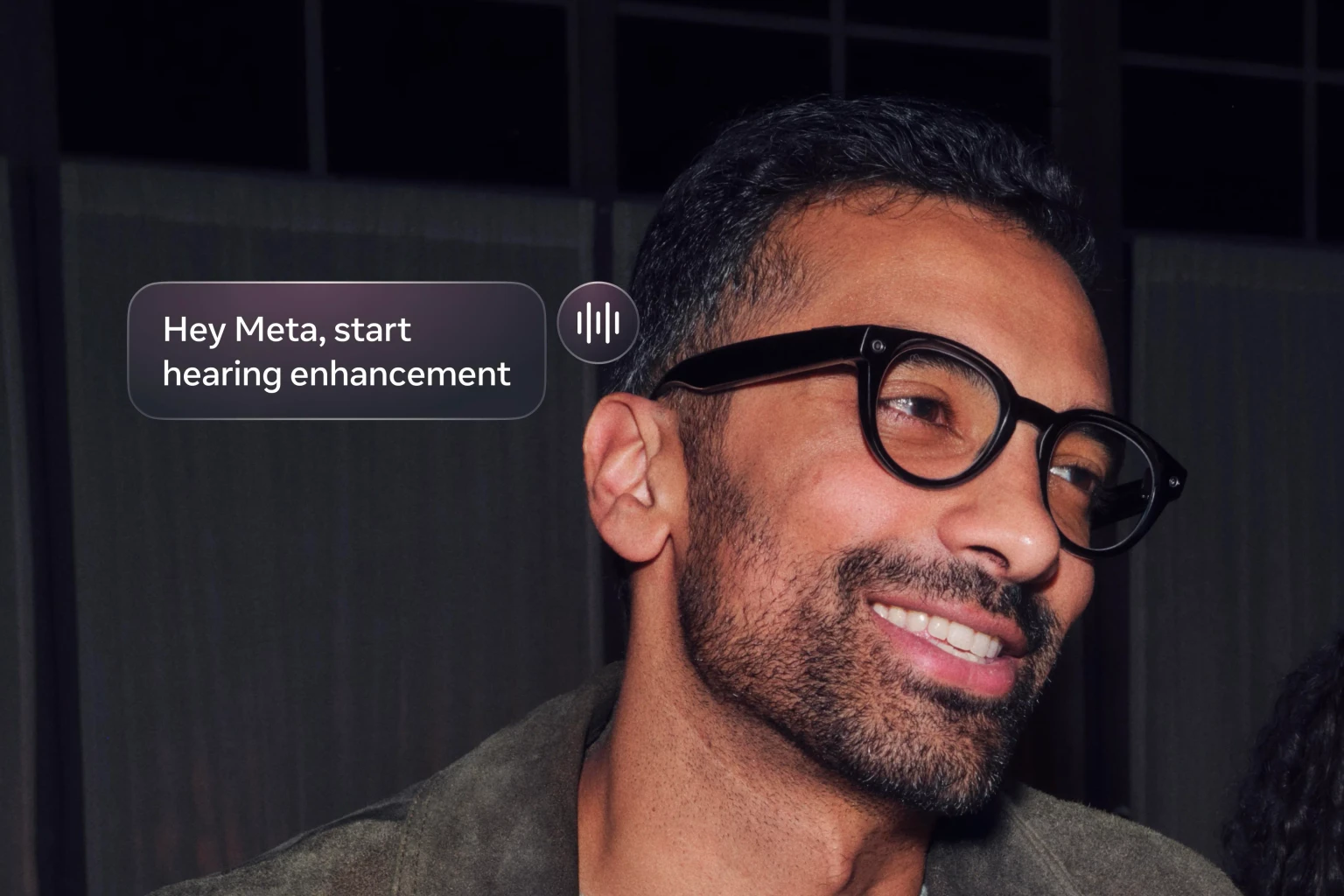
Muse is also coming to Meta’s smart glasses, though Meta has not provided a precise availability date beyond the coming months. The company says users will be able to invoke the agent by voice for tasks such as workout guidance, meal logging, appointment booking and shopping assistance. The agent is meant to work in the background and report back when a task is complete.
Commerce is central, not incidental
Meta has lined up integrations and partnerships across payments and retail. According to the company, Muse can work with the Shopify catalog and use payment options including Shop Pay and PayPal. Meta also named Best Buy, Gap, Sephora, Walmart and Wayfair as retail partners, while Expedia and Instacart are among the service integrations discussed.
That matters because the proposed business model is transaction-driven. CEO Mark Zuckerberg said Meta plans to make Muse free for a large volume of usage, with the expectation that the company can eventually take a small fee from transactions. This puts conversion, payment completion and dependable fulfillment—not just model quality—at the center of the product’s economics.
For retailers and service providers, a successful agent platform could become a new customer-acquisition and checkout surface. It could also shift control over product discovery and the customer relationship toward the intermediary. Merchants should watch how Muse ranks options, handles sponsorships or affiliate economics, presents pricing, and manages post-purchase support.
An opening for connectors—and a new integration burden
Meta recently opened Muse to developers building connectors. Chief AI Officer Alexandr Wang said the program received more than 1,500 applications in less than a week. Existing connectors mentioned by Meta include GitHub, Granola and Notion.
That could create a meaningful distribution channel for companies whose products fit delegated workflows. But building for an agent is not the same as offering a conventional API integration. Providers will need to define granular permissions, communicate task status clearly, handle errors and reversals, and determine what data an agent may access or share.
What to watch next
The immediate test is whether Meta can make these actions trustworthy enough for everyday use. An agent that can read email, use desktop apps, initiate purchases and persist in the background needs clear user controls, reliable confirmation points and understandable records of what it did.
Availability also remains uneven: several features are framed as forthcoming, not broadly released. Meta’s advantage is reach across social apps, commerce and glasses. Its challenge is turning that reach into an agent people are willing to authorize with their work, money and personal data.