
Meta has introduced Meta One, a subscription service spanning Facebook, Instagram and WhatsApp that packages higher AI usage with premium consumer, creator and business features. The move expands Meta’s effort to turn AI capabilities inside its social apps into recurring revenue rather than treating them solely as engagement tools.
For individual users, Meta One offers a $7.99-per-month Core plan and a $19.99-per-month Premium plan. Both include existing “Plus” features across Meta’s apps, with the central distinction being more access to AI tools in the higher-priced tier. Those tools include Muse Image and Muse Video generation, Instagram’s AI-powered Restyle editing feature, and voice and creative effects.
The key caveat: Meta has not published fixed usage limits. The company told TechCrunch that limits can vary by country, product surface and system conditions. That makes the plans less comparable than a conventional software tier and leaves buyers without a clear measure of how much generation or editing capacity their subscription guarantees.
A more consequential offer for businesses
The business and creator side is potentially more important operationally. Meta One offers four tiers: Essential from $14.99 per month, Advanced from $49.99, Expert from $149, and Max from $499. Pricing, availability and benefits can vary by region, app and account.
At the lower levels, Meta is combining identity, workflow and customer-engagement functions. Essential includes business-presence tools, expanded access to the Meta Business Agent for customer replies, a verified badge and WhatsApp Business channel, plus impersonation detection.
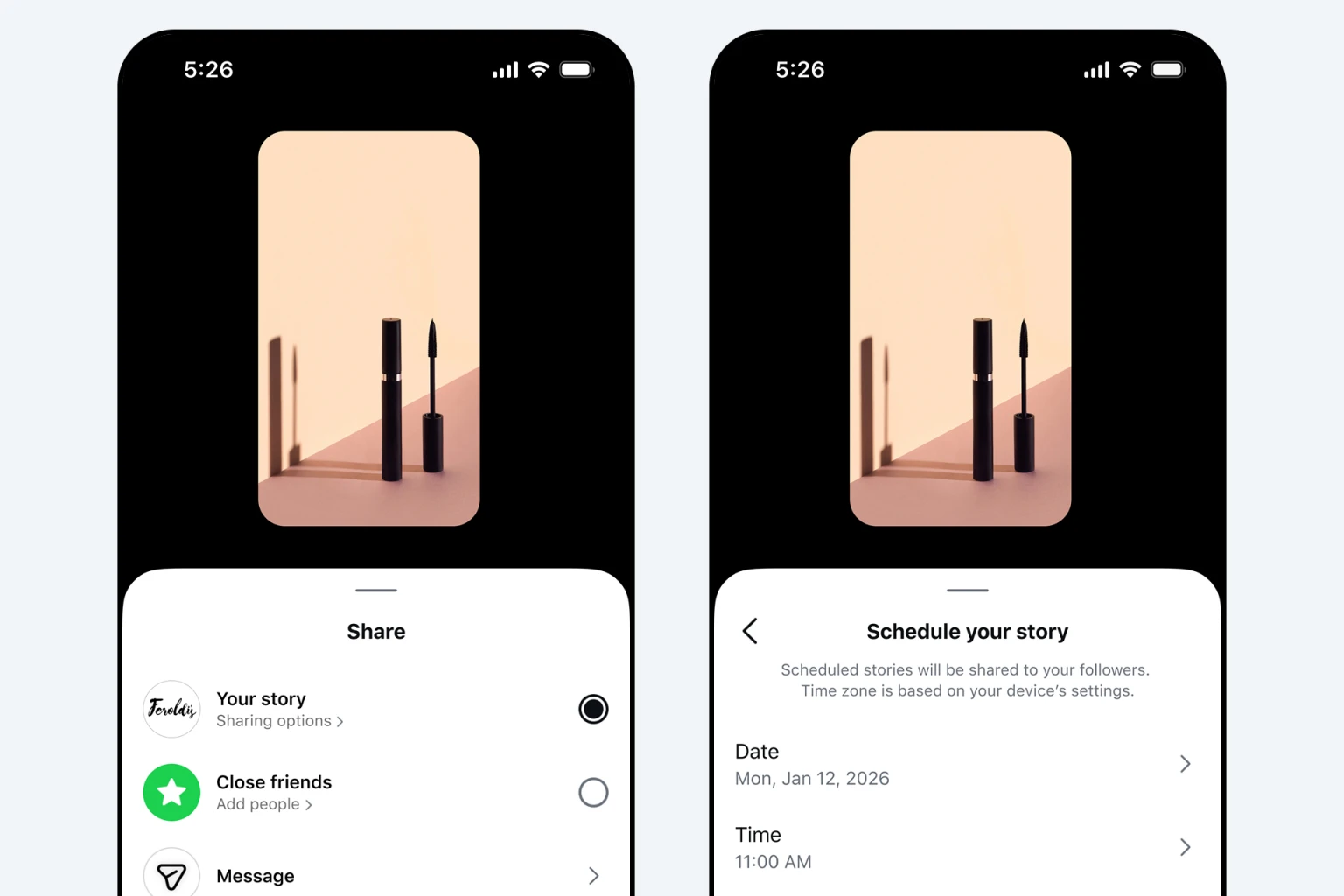
Advanced adds operational controls that many growing teams currently stitch together through native tools and third-party software: story scheduling up to 30 days ahead, links in organic posts and Reels, exportable analytics, deeper audience insights, team-member access, additional linked devices, more broadcast credits and a larger allocation of Business Agent responses. Essential and Advanced users also receive an enhanced profile with website, location and review information, along with tools intended to convert engagement into followers.
The Expert and Max tiers provide the largest feature and Business Agent allocations. Meta says it plans to add agent skills for end-to-end marketing, business operations, content creation and optimization. It also plans to bring Edits Plus—a subscription for its Edits content-creation app with more cloud storage and AI assistant usage—under Meta One.
Why it matters
The strategy is a shift in what Meta is selling. Rather than monetizing businesses primarily through advertising and consumers primarily through attention, it is beginning to price access to production capacity, customer service automation, analytics and account-management features.
For operators, the appeal is consolidation. A company already dependent on Instagram, Facebook and WhatsApp could potentially centralize basic publishing, messaging, verification and AI-assisted content work in the same ecosystem where it acquires customers. The trade-off is deeper dependence on Meta’s interfaces, policies and opaque capacity limits.
There is early evidence that subscriptions can create a meaningful new revenue stream. TechCrunch, citing market-intelligence provider Appfigures, reported that following the rollout of app-specific subscription tiers, Instagram’s worldwide daily revenue averaged $1.2 million in the week of September 9 and Facebook’s averaged $528,000—up 475% and 143%, respectively, from the prior week. Those figures show a sharp near-term change, not a durable run rate.
Meta’s larger aim appears to be recovering returns on significant AI investment, including its 2025 $14.3 billion investment in Scale AI. Bundling AI into services with a vast installed audience gives Meta a distribution advantage over standalone creative and agent software vendors.
What to watch next
The immediate test is whether Meta clarifies capacity, reliability and the boundaries of Business Agent automation. Businesses should also assess whether paid features replace existing tools or merely add another layer to manage.
For competing software providers, Meta One raises the bar for point solutions serving social content, inbox automation and platform analytics. The question is not simply whether Meta can sell AI credits; it is whether it can make paid automation dependable enough to become part of day-to-day business operations.