Rabbit is rolling out OS3, a standalone AI agent system designed to work without the company’s R1 device. The change moves Rabbit from a hardware-first pitch toward a more familiar software-and-services model: an agent that can reach across a user’s devices, files, apps and chosen AI models.
The company says OS3 runs in the cloud while operating locally across Windows, Mac and Linux devices. Users can connect up to five devices to one account and access the service through a desktop site, paired messaging apps such as Telegram or iMessage, or the R1.
What changed
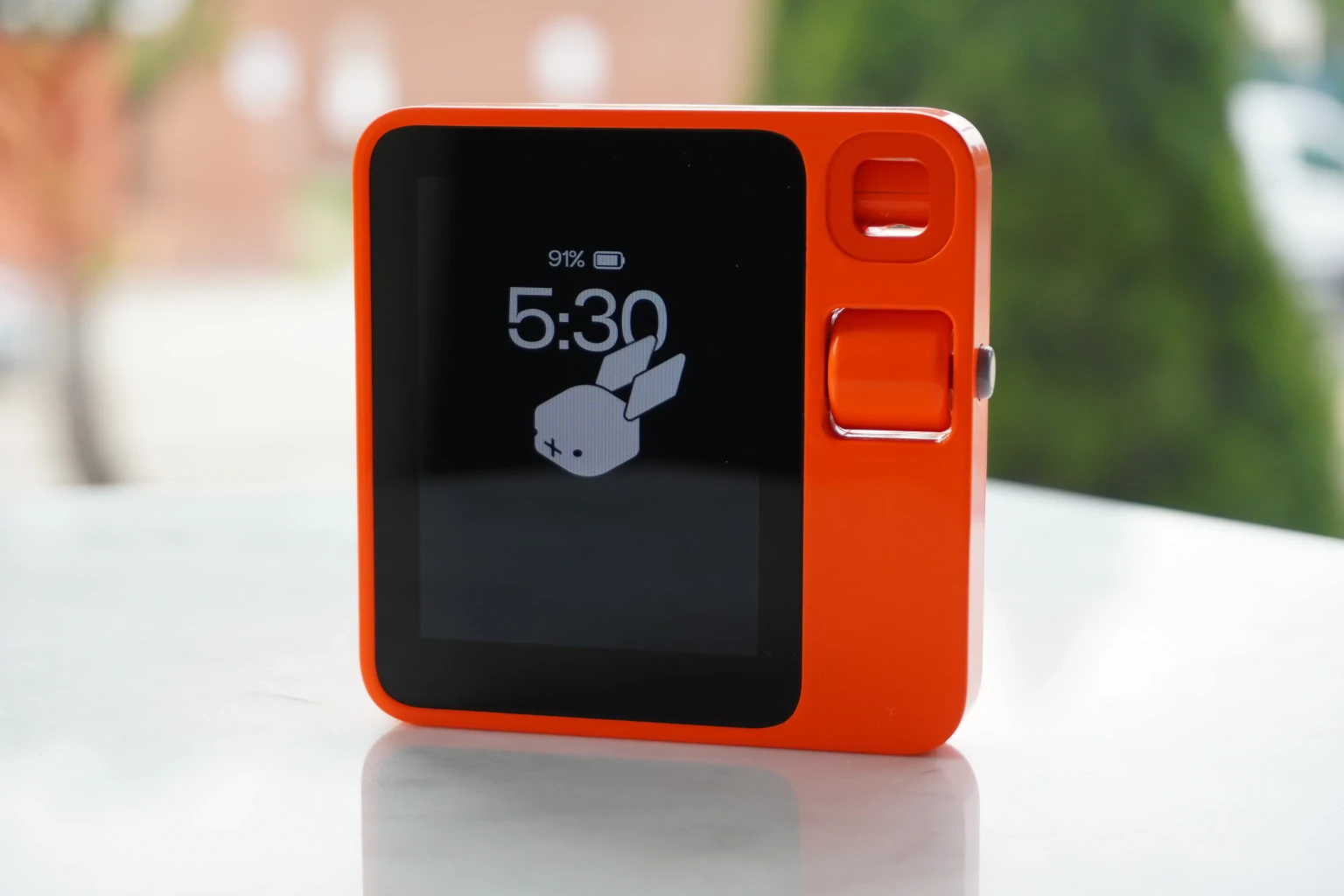
The R1 was Rabbit’s early attempt to make AI assistance a dedicated consumer device. Its reception was underwhelming, and founder Jesse Lyu told *Wired* that Rabbit has stopped manufacturing the device.
OS3 reframes Rabbit’s product around orchestration rather than a single piece of hardware. According to the company, the system can determine which connected device, file, app and AI model it needs to complete a task. That positioning puts Rabbit in the growing category of agent platforms attempting to coordinate work across fragmented software environments.
Rabbit is not abandoning devices altogether. It is reportedly working on a vibe-coding-focused “cyberdeck” that will run OS3 and is expected within months. But the immediate distribution opportunity is broader: software can reach users on machines they already own.
Why it matters for builders and operators
The key business question is not whether an agent can answer prompts, but whether it can reliably execute multi-step work across real tools without adding setup burden or creating security risk. Rabbit’s approach suggests that the device itself is no longer the moat; access to context, connected services and a usable execution layer is.
For operators, a cross-device agent could reduce the friction of moving between a work computer, personal machine, messaging thread and cloud files. For builders, OS3’s model selection feature points to an increasingly common architecture: let users bring or choose models, while the agent layer handles task routing and tool access.
That architecture also creates difficult product decisions. Automatic selection of devices, files, apps and models may make workflows simpler, but it requires clear permissions, dependable task visibility and strong failure handling. In enterprise settings especially, administrators will want to know what data is accessed, where it is processed, which model receives it and how actions are logged.
Privacy claims need close reading
Rabbit says OS3 will not store, copy, use or sell user data. At the same time, it says chats and memories derived from them will remain on its servers. Data sent to AI providers connected to OS3 will also be governed by those providers’ own policies.
That distinction matters. Teams evaluating the product should separate Rabbit’s handling of task data from the retention and training terms of every connected model provider. They should also assess what “local” operation means in practice when the underlying service runs in the cloud.
What to watch next
Rabbit now has to demonstrate that OS3 can deliver dependable execution, not just broad integration claims. The near-term indicators are likely to be the quality of its permissions and audit controls, the range of apps it can operate, and whether users find its model-routing approach materially better than using existing assistants directly.
The company’s hardware retreat may be strategically sensible: a standalone agent can test product-market fit without requiring consumers to buy another device. But OS3 will be judged against increasingly capable AI tools already embedded in operating systems, productivity suites and messaging platforms.