A severe Ruby on Rails vulnerability is a fresh reminder that the window between a patch release and real-world exploitation can be measured in hours—not days or the length of a coordinated-disclosure embargo.
Rietta, an application development and security firm, said it deployed an emergency update for affected Rails clients on July 29 after CVE-2026-66066, an Active Storage flaw associated with arbitrary file reading and possible remote code execution, was released. The firm says a state government client received the tested production update at 11:09 p.m. Eastern time. Its logs then recorded an attempted exploit at 7:10 a.m. the next morning.
The attempt failed at the patched code path, according to Rietta. But the timing is the larger operational signal: defenders that waited for a normal maintenance window or a completed severity assessment could have remained exposed during an active probing window.
The patch itself is often enough
The advisory initially withheld technical exploitation details, and the full disclosure schedule extended into late August. That did not prevent rapid exploitation research, Rietta argues, because the remediation code was public when the patch shipped.
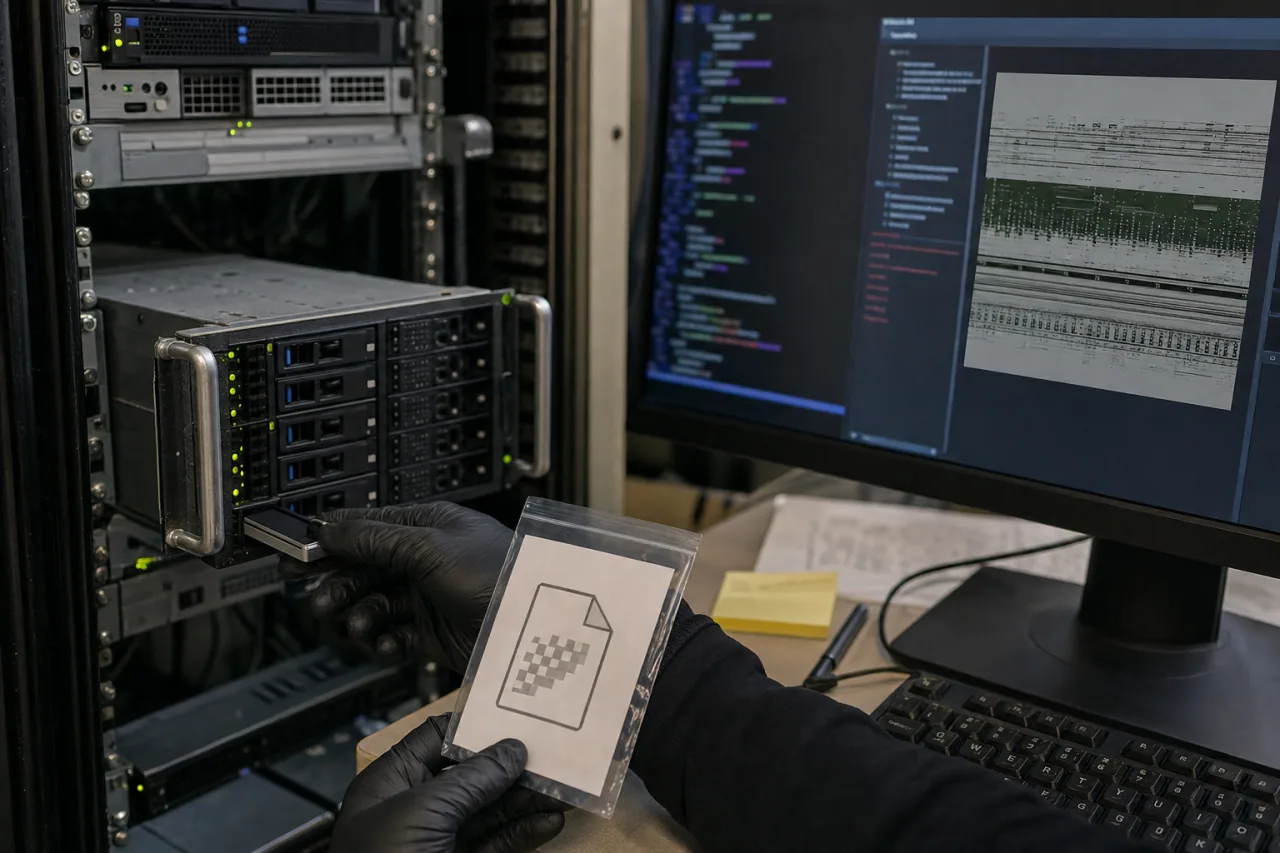
A public proof-of-concept repository was committed to GitHub before Rietta had completed its deployment, the company said. The early probe against the government application used a malformed BMP file, a detail that matched the first public proof of concept. That is correlation rather than proof that the attacker used that exact code, and Rietta appropriately stops short of making that attribution.
Still, the sequence illustrates a familiar security dynamic. Attackers and researchers can compare a vulnerable release with its patched version, identify the security-relevant change, and build an exploit without waiting for a vendor’s narrative. A disclosure embargo can constrain responsible researchers’ write-ups; it cannot make a public patch diff private.
A successful patch is the start of response, not the end
Rietta reported that the first attempt was isolated, while more persistent probing began August 3 and continued through the month. The later traffic used different file disguises, rotating IP addresses and varied user agents. The firm said it saw signs that attempts changed after additional defenses were put in place, though it did not publicly characterize the degree of automation or the actors involved.
For operators of public-facing applications—particularly systems holding health, government or other regulated data—the important distinction is between patch deployment and post-patch assurance. A patch may close the vulnerable execution path, but internet-facing services can still see sustained scanning, malformed uploads, attempted bypasses and noise that must be triaged.
That calls for a defined critical-vulnerability runbook: identify affected services and versions; apply a minimally scoped update; run automated regression tests; deploy; and immediately monitor application exceptions, upload activity, edge logs and indicators of compromise. Teams should also retain relevant logs long enough to investigate pre-patch exposure.
What Rails teams should do now
Organizations running Rails 8 or later should verify whether their applications use the affected Active Storage variant-processing functionality and confirm that the relevant Rails and Active Storage security updates are in production. The Rails [security advisory](https://github.com/rails/rails/security/advisories/GHSA-xr9x-r78c-5hrm) and its forensic tooling are the primary references for technical scope and compromise checks.
More broadly, security and engineering leaders should revise the assumption that an unscored or lightly documented security release can wait. In this case, Rietta says the CVSS rating later reached 9.5, but the key operational decision came from recognizing a standalone security release as a potential emergency before the score and technical narrative had fully matured.
The next thing to watch is whether exploit activity broadens beyond opportunistic probes into repeatable campaigns against exposed Rails deployments. The immediate lesson is simpler: treat a critical dependency patch as a race against public reverse engineering, and treat deployment as the beginning of heightened monitoring—not the finish line.