
AI agents are moving from individual productivity aids toward systems that can carry out multistep work in engineering, customer support, research and operations. For early-stage startups, that shift changes a foundational operating decision: whether the next capability requires a hire at all.
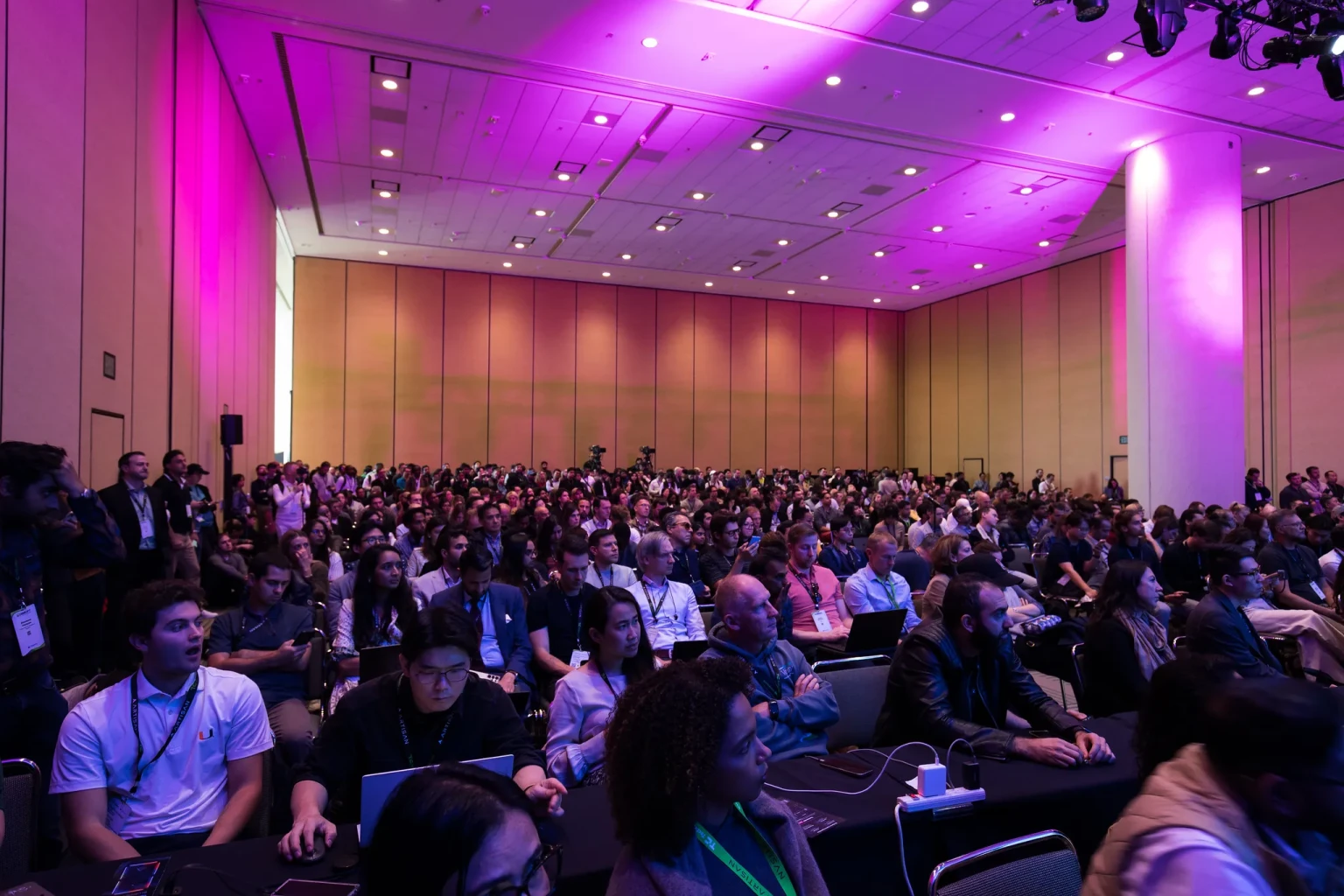
TechCrunch has scheduled a TechCrunch Disrupt 2026 Builders Stage session, “Hiring When AI Is a Co-Founder,” to address that question. Josh Reeves, CEO and co-founder of payroll and HR platform Gusto; Michelle Johnson, senior vice president at Insight Partners; and John Koelliker, CEO and co-founder of career and talent platform Leland, are set to discuss how startups can build teams where people and agents work together.
The event framing is useful because it focuses less on raw automation and more on organizational design.
Start with work, not headcount
For a small company, each early hire is a trade-off among capability, cost and speed. Agents add another possible way to obtain a capability, particularly for repeatable work that has clear inputs, useful data and defined completion criteria.
That does not make “replace the role” a reliable planning model. A better starting point is to decompose a role into work: prospect research, support triage, drafting, data analysis, workflow coordination, product implementation or customer discovery. Teams can then decide which tasks an agent can perform, which require a person to review the output and which should remain human-owned.
This distinction is especially relevant to the first 10 employees. Those hires have traditionally combined execution with context-building: they see customer problems firsthand, establish operating habits and make judgment calls before processes are formalized. Automating portions of their task load may increase capacity, but it does not automatically replace those responsibilities.
Accountability is the operating constraint
The source highlights the central questions companies need to resolve: Who checks an agent’s work? Who makes the final decision? What happens when the system is wrong? And what responsibilities are too consequential to delegate?
Those questions should translate into explicit operating rules. For agent-assisted workflows, founders should identify an accountable owner, define the approvals needed before an action affects a customer or the business, and establish a way to review failures. Without those boundaries, speed can come at the cost of unclear decisions and unowned errors.
This is not merely a technology implementation issue. It affects hiring, management and culture. The value of an early employee may tilt further toward customer understanding, judgment, relationship-building and the ability to direct both people and automated systems.
Revenue teams are an early test case
Johnson’s perspective connects the issue to go-to-market work. Agents may be able to research prospects, prepare outreach, analyze customer data or manage parts of a sales process. The management question becomes where human revenue teams add the most value—and how that changes the skills a startup prioritizes.
A practical implication is to measure agent use by outcomes rather than by task volume. A workflow that produces more research or more drafted messages is not necessarily improving pipeline quality, customer trust or conversion. Leaders need to retain visibility into those business outcomes as they redesign processes.
What to watch next
The Disrupt discussion, planned for October 13–15 in San Francisco, will bring together perspectives from an HR software provider, an investment firm working with scaling companies, and a talent platform. The useful signal to watch is whether the conversation produces concrete approaches for assigning authority—not simply examples of tasks agents can perform.
Startups that benefit most from agents are likely to be those that pair automation with clear workflow ownership. The crucial organizational question is no longer only who gets hired next. It is who remains responsible when work is done by a system.