What changed
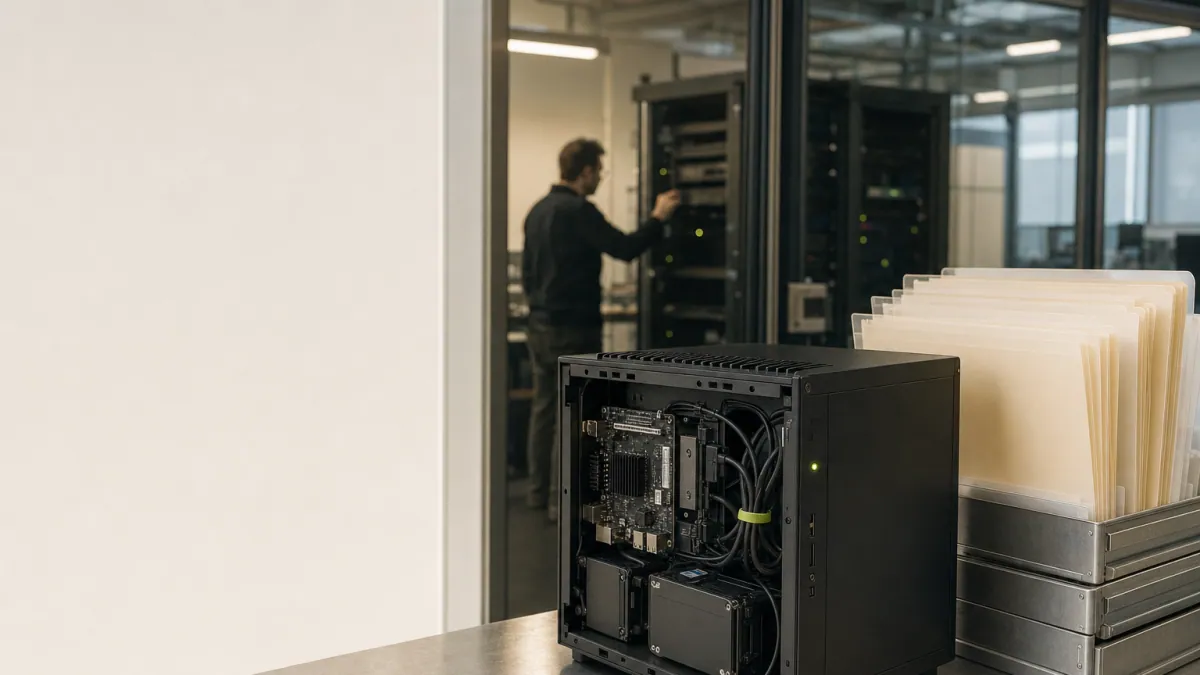
Tiiny’s website is being shared with the headline claim that it offers “the smallest edge AI device for local LLMs.” That framing puts the company in a fast-growing hardware category: compact systems intended to run language models near the user or data source rather than relying entirely on a remote cloud service.
The material available in the source bundle, however, is limited to Tiiny’s site navigation and storefront shell. It does not provide a product model, dimensions, processor, memory capacity, power profile, model compatibility, benchmark results, pricing, availability, or a definition of the comparison set behind “smallest.”
That means the announcement is best treated as an early positioning signal rather than a procurement-ready product disclosure.
Why local inference matters
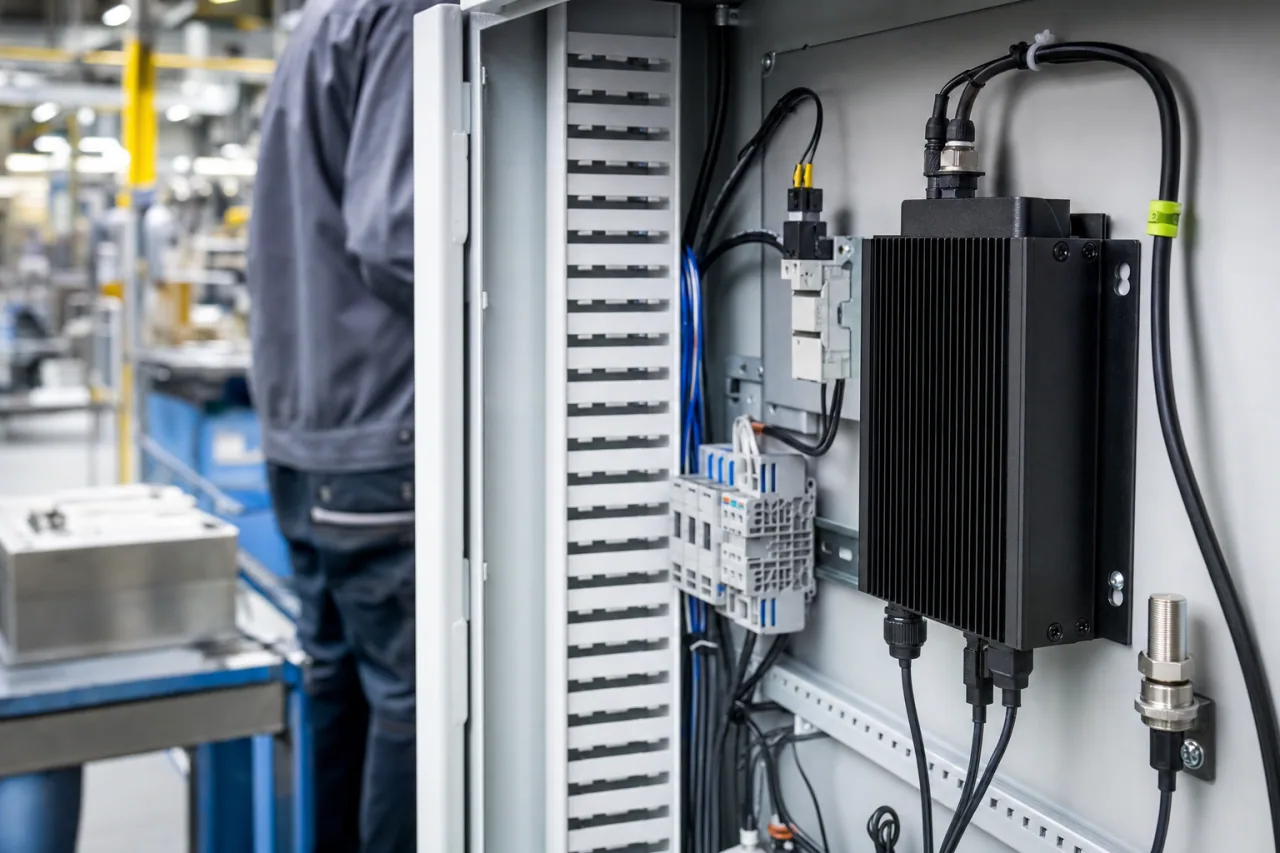
For businesses, the appeal of edge LLM hardware is straightforward. Keeping inference local can reduce dependence on network availability, limit the movement of sensitive data, and potentially make response times more predictable. Those attributes matter for field operations, industrial environments, regulated workflows, and customer-facing systems where sending every interaction to a cloud model is impractical or undesirable.
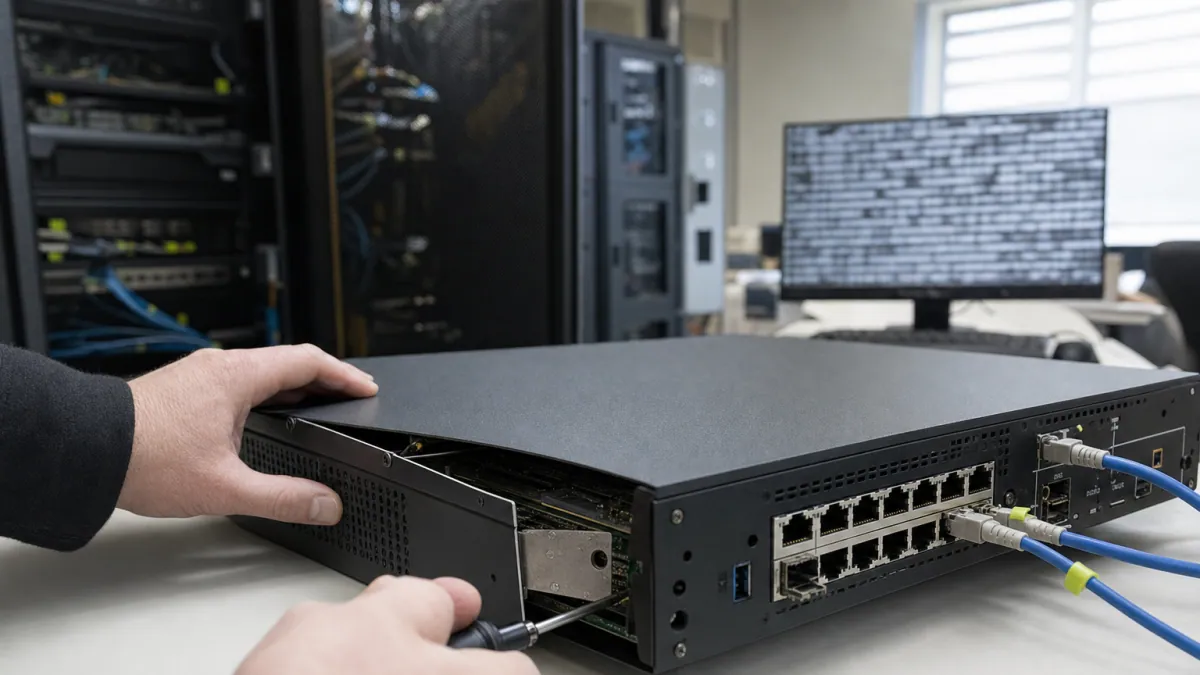
But the word *local* does not, by itself, establish suitability. An edge device must still provide enough usable memory and compute for the target model, support the required context lengths and quantization formats, fit within thermal and power constraints, and be manageable after deployment. A small enclosure can be valuable, but it can also narrow the range of models and workloads that run well on it.
The diligence checklist
Teams evaluating a device in this category should ask for a specific workload profile rather than a broad local-LLM claim. At minimum, they should seek:
- Exact physical dimensions and the basis for any “smallest” comparison.
- Compute architecture, memory capacity, storage, connectivity, and power requirements.
- Supported runtimes and model formats, including whether the device supports commonly used open-weight models.
- Measured performance for named models at stated quantization levels, including tokens per second, time to first token, concurrent users, and sustained thermal behavior.
- Security controls for local data, model updates, remote management, and device lifecycle support.
- Unit pricing, deployment tooling, warranty terms, and supply commitments.
Those details determine whether a device is a useful endpoint for a narrowly defined assistant or automation task, versus an attractive demonstration unit with limited production applicability.
What to watch next
The meaningful next milestone for Tiiny would be a technical product page or documentation that turns its compact-device message into comparable operating data. Buyers will also want independent testing under sustained workloads, not only short inference demonstrations.
The broader lesson for operators is to evaluate edge AI hardware according to the full system: model quality, response speed, power, management, security, and total deployment cost. In local LLM deployments, physical size is one requirement—not the outcome that matters most.