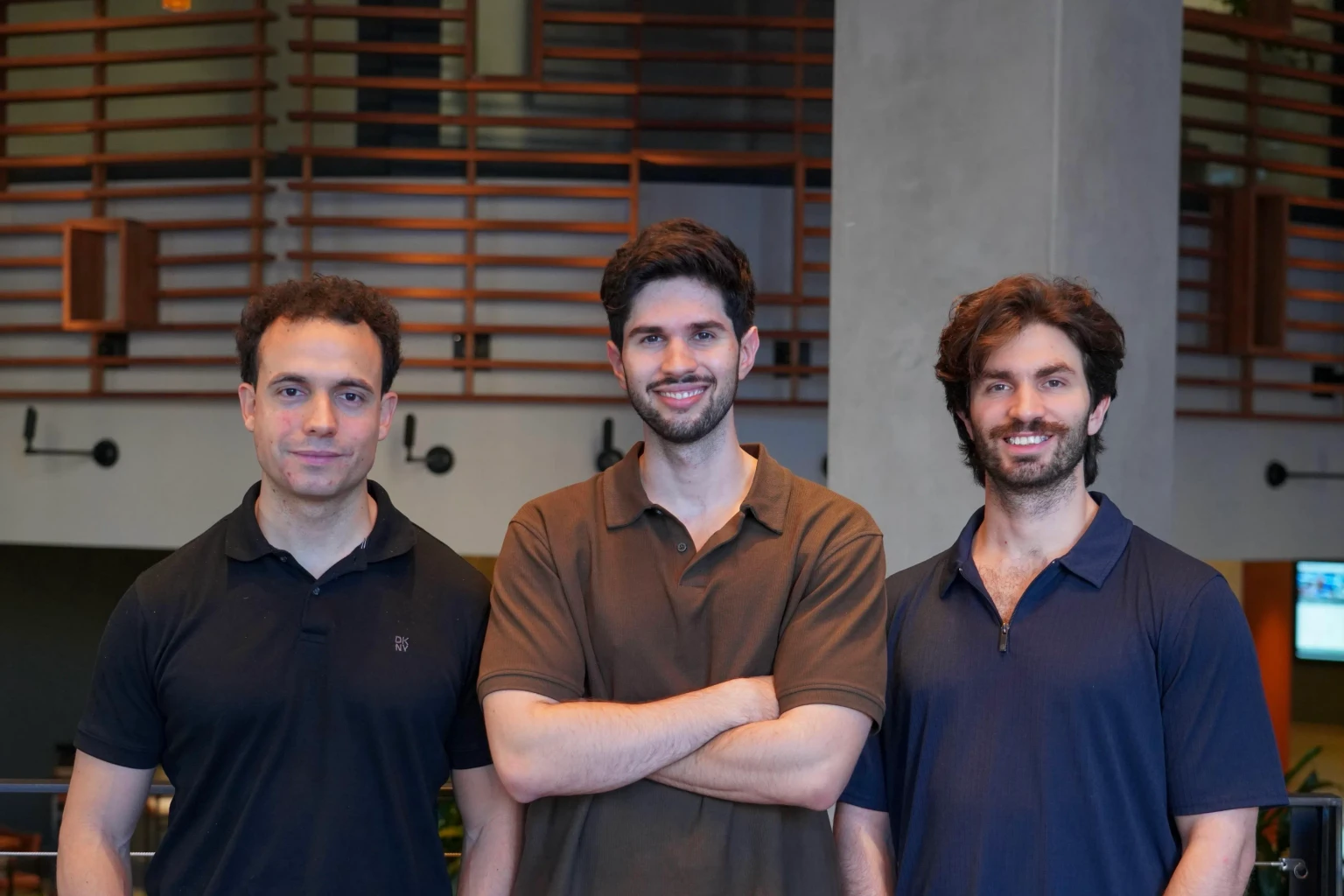
Flai, a startup building AI software for auto dealerships, says its system now schedules 50,000 appointments each month across sales and service. The company has also raised a $27 million Series A led by Base10 Partners.
The headline number matters less as a measure of AI conversation volume than as evidence that the software is being embedded in a consequential dealership workflow: turning customer calls, emails and texts into service visits and sales opportunities.
According to Flai CEO Ari Polakof, the company works with more than 10 of the country’s 50 largest dealer groups and has increased revenue 20-fold over the past year. The company says its AI handles customer engagement, outbound campaigns and appointment scheduling, while escalating situations that require human attention.
From phone automation to operational software
Flai began with a narrower proposition—managing inbound dealership communications. Its current pitch is broader: an AI-powered customer relationship management platform designed around dealership operations.
That evolution is central to the company’s position. Generic AI assistants can draft responses or field basic questions, but dealership workflows involve service scheduling, sales follow-up, promised callbacks, frustrated customers and coordination across multiple stores. A product that can identify a missed response, flag an unhappy customer to management and keep a follow-up moving is competing for a place in the operating system of the dealership, not just its call queue.
Flai says it can go live about 10 days after a contract is signed. In a sector where software deployments and vendor support can be a persistent source of friction, time to implementation may be as meaningful to buyers as model quality.
Why the funding and customer mix matter
The Series A includes investments from dealer organizations Friedkin Group and Findlay Automotive, Toyota’s venture arm, Y Combinator and First Round Capital. Strategic backers do not validate every product claim, but their involvement gives Flai access to industry expertise and potential distribution relationships in a fragmented, relationship-driven market.
Polakof told TechCrunch that about half of Flai’s new revenue comes from customer referrals. If sustained, that is a useful signal for an enterprise software company selling into dealer networks: reference-driven growth can reduce acquisition costs and accelerate expansion from one store to a broader group.
The company has also pointed to a Puerto Rico luxury dealer rollout that began with inbound service calls, expanded into sales and then moved across eight stores. That progression illustrates a likely land-and-expand model for vertical AI vendors—start where the workflow is contained and measurable, then broaden once operators trust the system.
The operational questions buyers should ask
For dealership leaders, appointment counts alone do not establish return on investment. The practical metrics are conversion from inquiry to visit, show rates, sales or service revenue attributable to the workflow, customer satisfaction, escalation accuracy and the workload shifted off staff.
They should also test how the software behaves when it lacks confidence, when a customer’s request spans systems, and when it makes or alters commitments. Flai says its system alerts leadership to issues such as unaddressed messages or unhappy customers; the quality and reliability of those escalation paths will be critical as automation takes on more customer-facing work.
What to watch next
Flai has grown to about 40 employees and plans to build on its broader platform strategy. The next proof points will be whether it can preserve rapid deployment and responsive support as it adds customers, integrations and workflows.
Competition will also intensify. Large horizontal AI platforms may offer increasingly capable tools for small businesses, while established automotive software vendors can add AI features to existing systems. Flai’s defense, as Polakof frames it, is specialized operational knowledge.
That claim will be tested by retention, multi-store expansion and measurable outcomes—not by the number of conversations an AI can conduct. In dealership software, the durable advantage may belong to the vendor that reliably turns customer intent into completed, well-managed work.