Fusion startups are often judged by magnets, materials and plasma physics. But getting a reactor to operate reliably also depends on a less visible layer: the hardware and software that makes split-second control decisions.
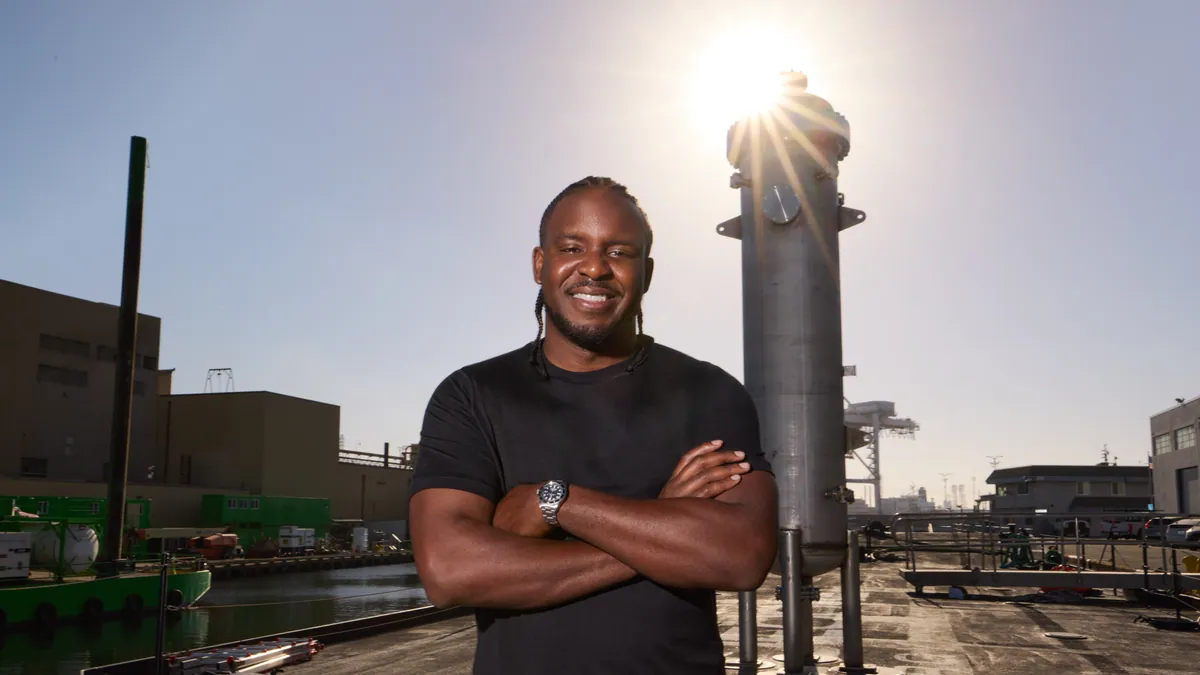
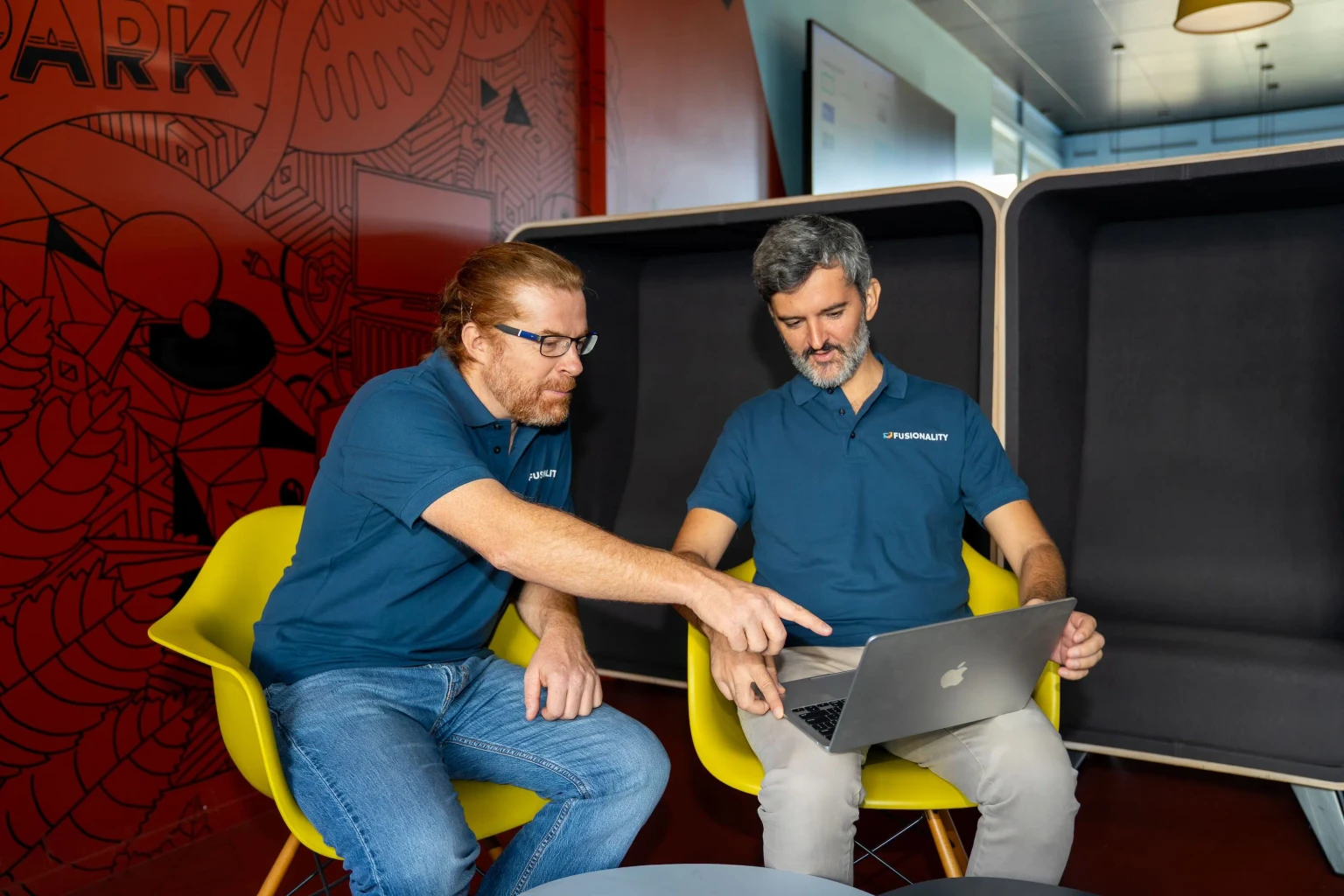
Lausanne-based startup Fusionality wants to supply that layer. Founded this year by Federico Felici, its CEO, and Jonas Buchli, its CTO, the company has raised a $3.7 million (CHF 3 million) pre-seed round from Founderful and Playfair. Both founders previously worked on applying AI to control experimental fusion devices; Buchli worked at Google DeepMind, and Felici later joined DeepMind after work at Switzerland’s EPFL.
A shared problem across reactor companies
Fusionality’s pitch is that fusion developers are repeatedly rebuilding much the same control stack. According to Felici, roughly 80% of a control system is common across companies, even though individual reactor designs require specialized tuning.
That matters because fusion control is not a peripheral function. In magnetic-confinement systems, powerful electromagnets hold superheated plasma in the right shape, density and temperature. The system must continuously respond to changing conditions fast enough to keep the plasma stable. Building, validating and deploying those controls is a complex engineering task—one that can consume time and specialist talent at companies already working through hard physics and manufacturing problems.
Fusionality plans to create reusable control-system components and simulation environments that customers can adapt to their specific machines. Felici described the strategy as starting with a tightly selected group of technology “blocks,” then expanding toward a broader operating stack.
An emerging fusion supply chain
The company is part of a wider shift in fusion: the sector is beginning to support specialized suppliers rather than requiring every reactor developer to own every subsystem.
Some companies are developing plant-level components intended to help translate experimental breakthroughs into grid electricity. Established precision manufacturers can also provide certain physical parts. Control infrastructure, however, appears to remain comparatively fragmented, with many developers building their own systems from scratch.
For operators and investors, that distinction is important. A standardizable supplier layer could reduce duplicated development work and give fusion companies access to tools built around recurring operational needs. It could also create a business opportunity separate from the uncertain race to be the first company to operate a commercial fusion plant.
Fusionality is initially focused on magnetic confinement, the category pursued by startups including Commonwealth Fusion Systems, Realta Fusion, Proxima Fusion and Type One Energy. Felici said the company ultimately intends to support other fusion approaches as well.
AI is an assistive tool, not the operator
The founders’ background naturally puts AI in the story, but Fusionality’s position is notably restrained. Felici said AI should play an important role in future control systems, while arguing it is not ready to control an entire fusion reactor on its own.
Near-term uses are more likely to involve enhancing, optimizing or complementing parts of the wider system. That is a practical framing for an industrial setting where failures are expensive, physical systems have narrow operating margins, and simulation and validation matter as much as model performance.
What to watch next
The immediate test is whether Fusionality can turn shared theory into products that work across real machines without becoming a custom-engineering shop. Its seven-person team will use the pre-seed funding to develop an unspecified initial set of technologies.
The broader signal is whether fusion companies adopt common infrastructure before commercialization. If control stacks become a purchasable, configurable layer, developers may be able to focus more resources on their reactor-specific advantages. If every design still demands a wholly bespoke system, the operational path from promising plasma experiments to dependable grid assets will remain slower and more capital-intensive.