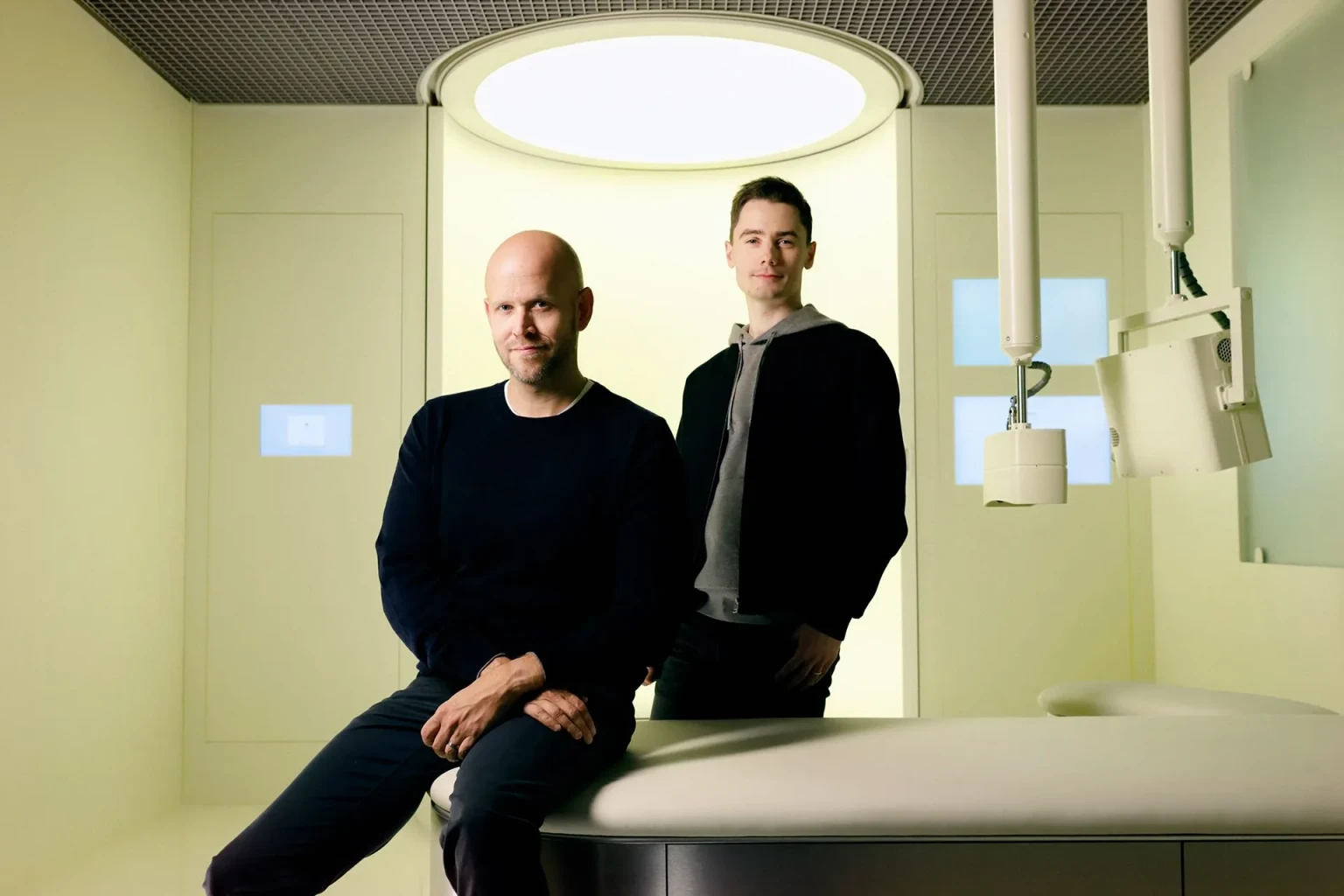
Neko Health, the preventive-health startup founded by Spotify co-founder Daniel Ek, has come to the U.S. with a proposition that is attracting substantial investor attention: use body scanning to make proactive health checks more accessible.
The company has raised $700 million, according to TechCrunch, and is entering a market where startups are betting that consumers will pay for more frequent, data-rich views of their health. But the central business question is not whether people will try a novel scan. It is whether the results can be integrated credibly into the healthcare system rather than remain a premium consumer wellness service.
What changed
Neko’s move into America broadens the company’s operating market at a point when capital is concentrating around preventative care. TechCrunch’s *Equity* podcast recently examined how Neko compares with other consumer-health companies and what would need to happen for body scanning to become part of broader healthcare delivery.
The category is gaining company. Midjourney is building a body scanner, according to TechCrunch, while Function Health has also raised significant capital for its preventative-health platform. These businesses differ in product approach, but share a view that earlier measurement, recurring testing and software-led interpretation can reshape the relationship between consumers and routine care.
For Neko, the U.S. is a consequential expansion: it is a large consumer-health market, but also one with entrenched care networks, varied payment arrangements and high expectations around clinical trust.
Why investors see an opening
Preventative healthcare has an intuitive appeal for both consumers and investors. Consumers want earlier signals about possible health issues; providers and payers are under pressure to manage chronic conditions and costly interventions. A body-scanning business aims to sit between those incentives by packaging assessment into a repeatable service.
The investment case, however, depends on more than hardware. A scanner can generate measurements; the durable business must determine which measurements are useful, how results are communicated, what follow-up is appropriate and how the experience fits into existing care.
That makes the operating model as important as the device. Companies in this space need workflows for clinical review, referrals, privacy and retention—not just attractive consumer onboarding. The more a service produces findings that require follow-up, the more its economics and customer experience depend on coordination with clinicians and health systems.
The integration challenge
A direct-to-consumer offering can establish demand quickly, especially among customers willing to pay for convenience and detailed personal data. Scaling beyond that group is harder.
Body scanning will need to earn confidence from patients and healthcare professionals alike. That means being clear about what a scan can and cannot establish, avoiding an experience that creates unnecessary alarm, and making results usable in a patient’s continuing care. It also means proving that repeat assessments offer value relative to their cost and the downstream care they trigger.
For operators, that reframes the competitive set. Neko is not only competing with other scanning startups. It is competing with conventional checkups, laboratory testing, primary-care relationships and any digital-health product that claims to help people act earlier.
What to watch next
Three signals will indicate whether this is becoming a durable healthcare category rather than a well-funded consumer trend:
1. Clinical pathways: Whether scan results consistently lead into clear, trusted follow-up with providers. 2. Repeat behavior: Whether customers return for ongoing monitoring, rather than treating a scan as a one-time novelty. 3. Business-model expansion: Whether companies can build relationships with healthcare organizations or other channels that extend beyond direct consumer acquisition.
Neko’s funding gives it room to pursue that playbook. Its U.S. entry will test whether body scanning can translate from a compelling technology experience into dependable healthcare infrastructure.