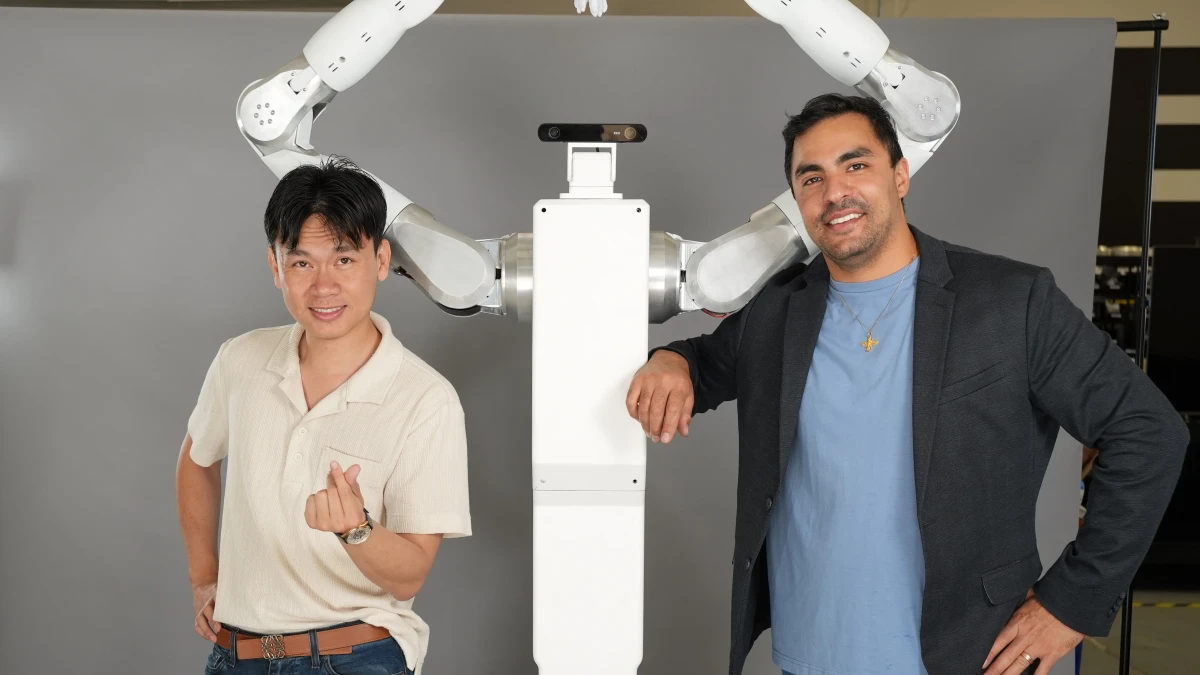
Fusion startups are finding a new class of strategic partner: the utilities that could eventually buy, connect and operate around their power plants.
Realta Fusion this week announced an agreement with Madison Gas and Electric (MGE) to explore a 200-megawatt grid-connected fusion plant in Wisconsin, targeted for the mid-2030s. MGE also made an undisclosed equity investment in the company. The deal is another signal that utilities, facing long-term pressure to secure reliable clean electricity, are willing to engage with a technology that remains commercially unproven.
What Realta gets beyond capital
For a fusion company, a utility relationship can be more consequential than a conventional financing round. Realta gains access to potential grid interconnection sites, engineering and technical support, and financing for a future plant. Those inputs address some of the least glamorous—and most difficult—parts of bringing a power project online.
A reactor does not become a power business simply by demonstrating fusion physics. It needs land, transmission access, permitting pathways, construction expertise and a customer or market for its output. In many regions, interconnection capacity is scarce. A utility partner can help a startup identify viable locations before it spends years and substantial capital advancing a site that cannot readily connect to the grid.
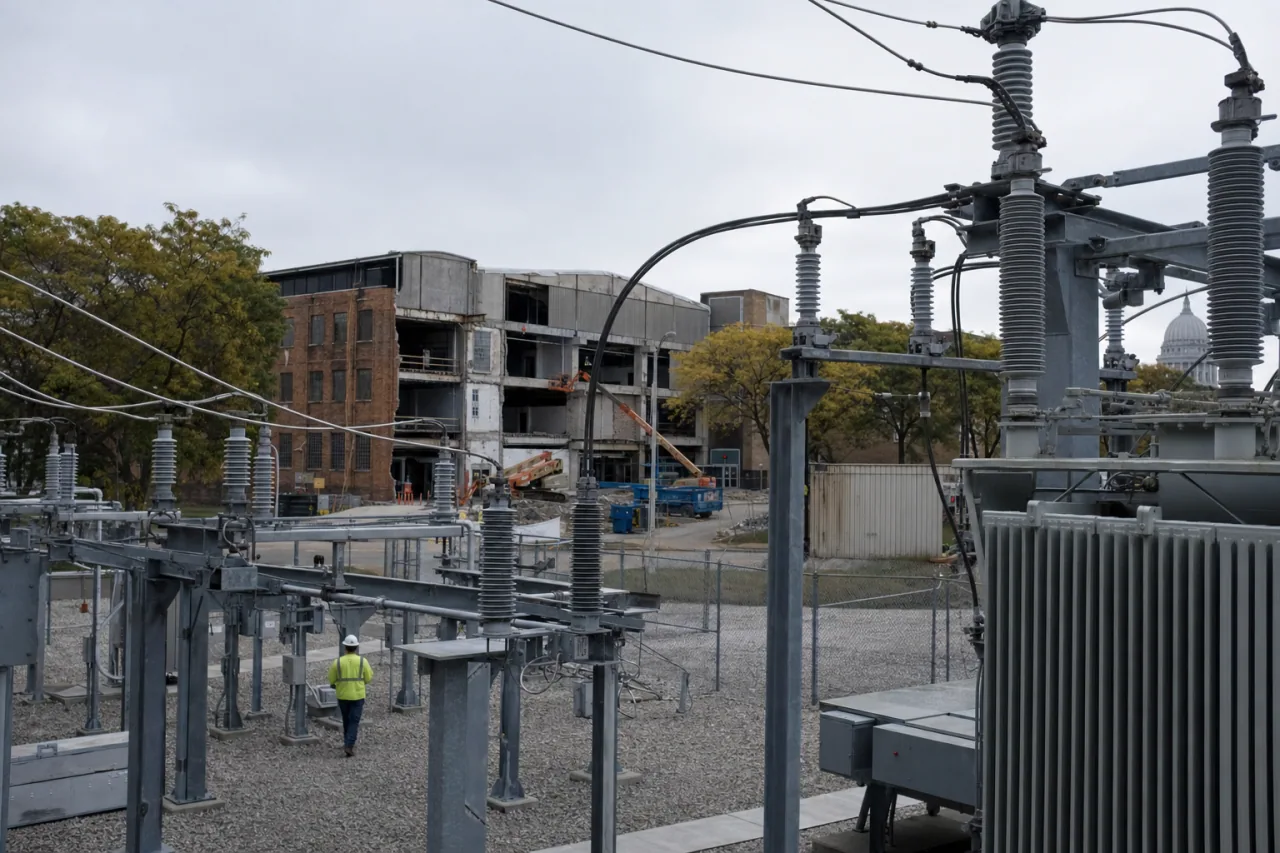
Realta is already converting a former Oscar Mayer factory in Madison into an R&D facility. Its proposed commercial plant would be much later, and it remains subject to the technical, regulatory and financing hurdles that confront every fusion developer.
Why utilities are engaging now
Utilities are not generally early adopters of high technical risk. But their planning horizons are measured in decades, and demand forecasts have changed sharply as AI data centers and other large loads seek power.
Wind, solar and batteries are central parts of the clean-energy buildout, but utilities are also looking for zero-carbon resources that can operate continuously. Fusion’s proposed role—firm, round-the-clock generation—fits that need, at least on paper. That makes it strategically appealing even though no startup has yet demonstrated commercial fusion electricity at scale.
The value for utilities today is less about near-term megawatt-hours than optionality. An early investment, site partnership or power-development agreement can provide a front-row seat to a potentially important supply technology without committing to a full fleet-scale deployment.
A small but growing partnership playbook
Realta’s deal follows a handful of utility-linked fusion projects with different structures:
- **Commonwealth Fusion Systems** has partnered with Dominion Energy on land for its planned 400-megawatt Arc plant near Richmond, Virginia. Google and Eni have agreed to buy power from the facility, which is expected in the early 2030s.
- **Helion** is working with Chelan County Public Utility District in Washington for its planned 50-megawatt Polaris plant, which it intends to use to serve a power agreement with Microsoft beginning in 2028.
- **Type One Energy** is pursuing a planned 350-megawatt project at a former coal-plant site near Oak Ridge, Tennessee, under a wider arrangement with the Tennessee Valley Authority.
- In Germany, **Proxima Fusion** plans to develop its first commercial plant at a decommissioned fission-power site, with RWE participating as both site partner and investor.
The common thread is not merely funding. Former generation sites, utility-owned land, transmission proximity and institutional know-how are becoming strategic assets for companies trying to bridge the gap between experimental machines and infrastructure-scale power plants.
What to watch next
Executives should treat these announcements as evidence of demand for fusion’s potential role, not proof that commercial delivery dates are secure. The critical milestones remain technical performance, plant economics, licensing, construction execution and actual grid interconnection.
Still, the partnerships matter. They show that utilities are starting to reserve options on future clean firm power—and that fusion startups increasingly need to prove not only that their machines work, but that they can fit into the systems that deliver electricity to customers.