Fairphone’s $650 Gen 6+ arrives in the US with a proposition most smartphone makers have largely abandoned: the buyer should be able to open and repair the phone rather than replace it.
The Dutch company has built the Gen 6+ around that principle. Its back cover comes off after removing two exposed T5 Torx screws, and the same screwdriver can be used to replace 12 components, including the battery, display, cameras and USB-C port. Ars Technica reported that a first-time disassembly of the user-serviceable parts took roughly 20 minutes.
That is more than a repairability feature. It is Fairphone’s operating model: CTO Chandler Hatton told Ars that the company tracks whether purchasers use their device for at least five years as a KPI.
Designing for service, not just assembly
Most modern phones are optimized to be assembled once in a factory. Adhesives, tightly integrated components and sealed glass-and-metal enclosures can help manufacturers achieve thin designs, rigidity and stronger water resistance. They also make routine repairs expensive, difficult or impractical.
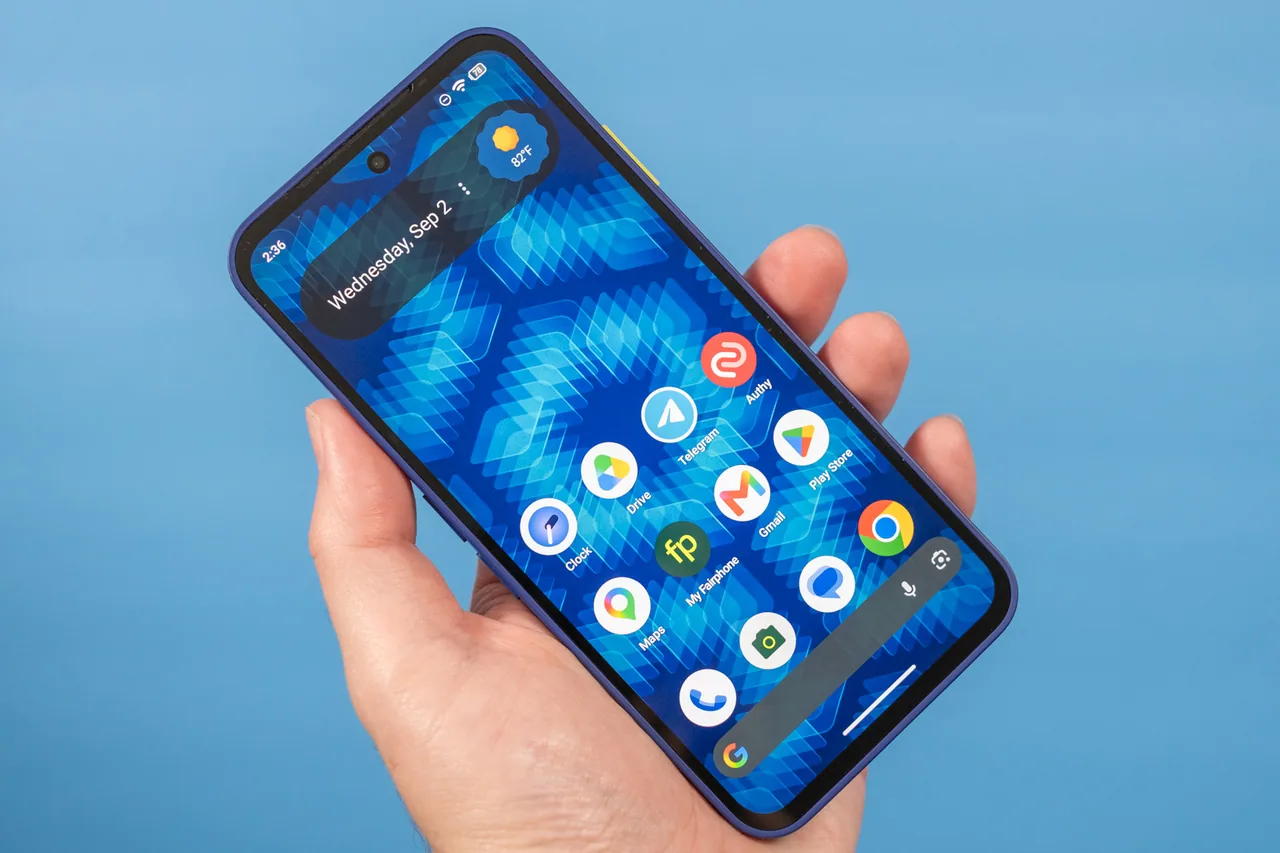
Fairphone has made different engineering choices. The Gen 6+ uses a plastic exterior with an internal metal frame, is 9.6 mm thick, and relies on screws and accessible connectors rather than extensive glue. The company says its development process includes tests for repeated disassembly and reassembly, including misuse cases such as over-tightened screws.
The replaceable 4,415 mAh battery illustrates the commercial logic. Batteries degrade on a different timetable from the rest of a device; Hatton said replacement becomes sensible after roughly three years. If a user can replace that component instead of discarding an otherwise functional handset, the usable life of the product can extend meaningfully.
For operators managing corporate devices, the implication is broader than DIY repair. A predictable spare-parts catalog, standardized tooling and a device designed for module-level service could lower downtime and reduce the frequency of full-device replacements. Whether those savings materialize will depend on the price and availability of parts, repair documentation and software support over time.
A clear set of trade-offs
Fairphone is not claiming to match every flagship-phone attribute. The Gen 6+ has IP55 protection for splashes rather than the higher submersion-oriented ratings common among sealed premium phones. Its modular architecture also makes it somewhat thicker than many rivals.
The device uses a Snapdragon 7s Gen 4 chip, 12GB of memory, 256GB of storage with microSD expansion, a 6.31-inch 10–120Hz OLED display, and Android 16. It retains a physical SIM alongside eSIM support and includes a removable battery. But it omits a headphone jack, demonstrating that even a company centered on user choice must make hard choices around internal space, component cost and supply-chain complexity.
Fairphone also emphasizes sourcing practices, including recycled materials, efforts to avoid conflict minerals and living-wage commitments for workers. Those objectives add another layer of complexity to a category already constrained by highly concentrated component supply chains.
Why the US launch matters
The Gen 6+ is a test of whether repairability can become a mainstream buying criterion rather than a niche preference. Large incumbents now offer longer software-support windows, but long-lived software does not solve a cracked display, worn battery or failed charging port. Hardware serviceability is increasingly the missing half of device longevity.
For product leaders, Fairphone’s design is a useful counterexample to the assumption that durability, repair access and competitive specifications cannot coexist. The product does not eliminate the compromises; it makes them explicit and gives priority to ownership and serviceability.
What to watch next is execution: parts availability and pricing in the US, the durability of the phone after multiple repairs, and whether Fairphone can sustain software and component support long enough to meet its five-year-use target. Those factors—not a screwdriver in the box alone—will determine whether repairability becomes a credible alternative to the upgrade cycle.