Microsoft is bringing the Xbox app to supported TCL smart TVs in the coming months, extending its cloud-gaming distribution strategy beyond consoles, PCs, and a growing set of television platforms.
The timing matters because Microsoft plans to introduce a pay-as-you-go option for Xbox Cloud Gaming in November. The service will let people stream games without maintaining an Xbox Game Pass subscription, lowering the commitment required for households that own a compatible TV but not an Xbox console.
A broader TV distribution channel
On TCL sets, the Xbox app will connect users to Xbox Cloud Gaming, where they can stream Game Pass titles and certain games they own, subject to the service’s subscription and eligibility terms. The practical proposition is straightforward: a TV, internet connection, and compatible controller can become the entry point to Xbox’s game catalog.
TCL is not Microsoft’s first smart-TV partner. The Xbox app is already available on many Samsung and LG TVs, Amazon Fire TV devices, and, more recently, supported Hisense televisions running VIDAA. Adding TCL increases the number of screens on which Microsoft can sell cloud access without asking customers to buy dedicated hardware.
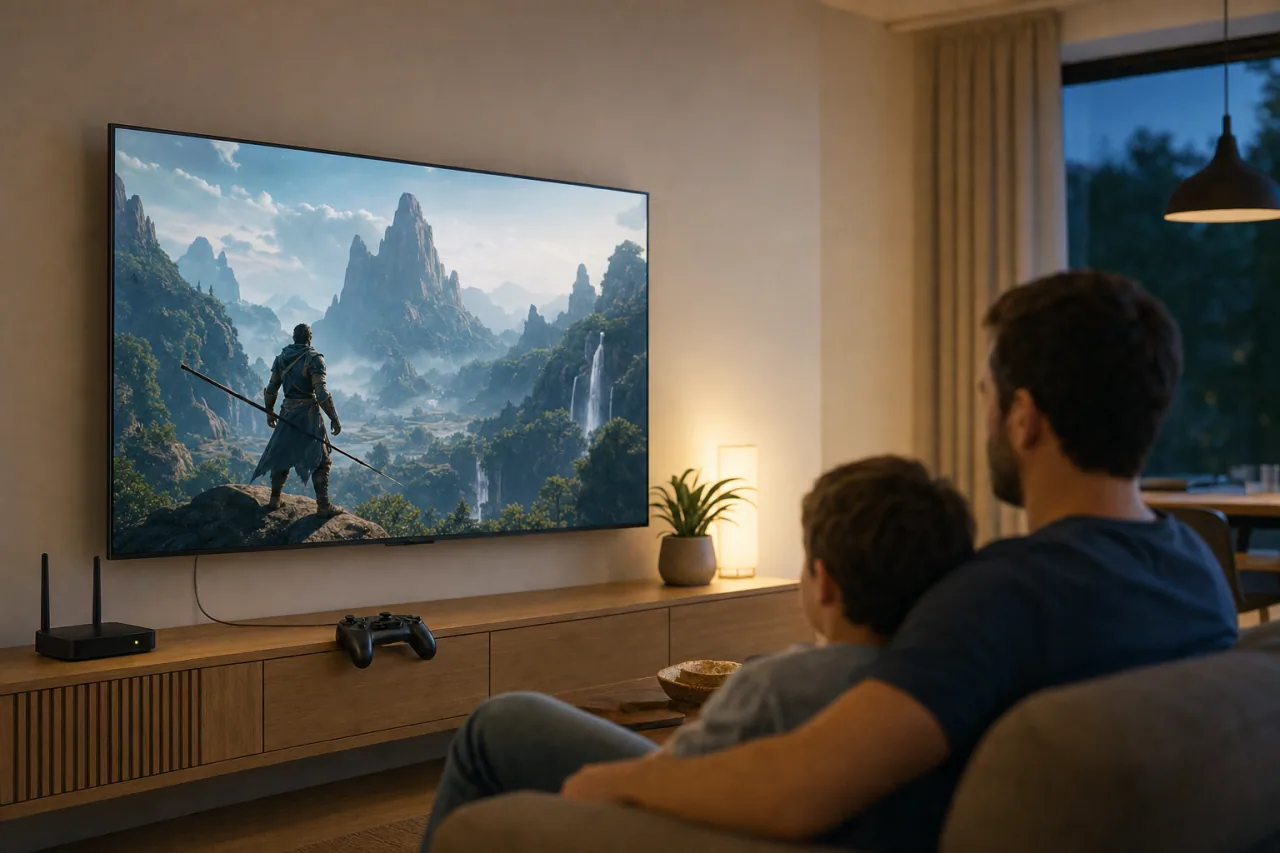
For Microsoft, that shifts the TV from a console endpoint into a distribution surface. It also gives the company another way to reach occasional players, families, and prospective customers who may be reluctant to pay for a console upfront.
Lower entry price, more metered usage
The new access model comes with an important qualification. Microsoft is opening cloud gaming to non-subscribers through pay-as-you-go access, but it is also imposing monthly cloud-streaming limits on Game Pass plans.
According to The Verge, Game Pass Ultimate subscribers will receive 15 cloud hours per month, Premium subscribers 10 hours, and Essential subscribers five hours. Subscribers who need more playtime will have to buy additional bundles of cloud hours.
That creates a more segmented commercial model than the all-you-can-play expectation often associated with subscription services. Pay-as-you-go can make cloud gaming easier to trial and potentially more accessible to light users. Hour caps, meanwhile, make usage itself a billable dimension for heavier cloud players.
For operators, the approach suggests Microsoft is trying to balance reach with the underlying cost of game streaming. Cloud gaming requires ongoing infrastructure capacity, and a large installed base of TV apps could increase demand quickly. Metered access provides a mechanism to manage that exposure while still expanding the funnel.
What to watch next
The critical questions are executional. Microsoft has not specified the supported TCL models in the report, so device coverage will determine how meaningful the partnership is in practice. Network quality, controller setup, app performance, and the availability of purchased games will also shape whether TV streaming feels like a credible console alternative.
Microsoft has additionally been testing free, ad-supported cloud gaming with Xbox Insiders. If that program reaches broader availability, the company could offer three distinct paths into the service: ad-supported access, pay-as-you-go play, and Game Pass-linked cloud streaming.
For TV manufacturers, these partnerships add gaming value without requiring their own content infrastructure. For Microsoft, the TCL rollout is another test of whether cloud gaming can become a mainstream service sold through the biggest screen in the home—while customers decide whether the new pricing model is flexible or restrictive.