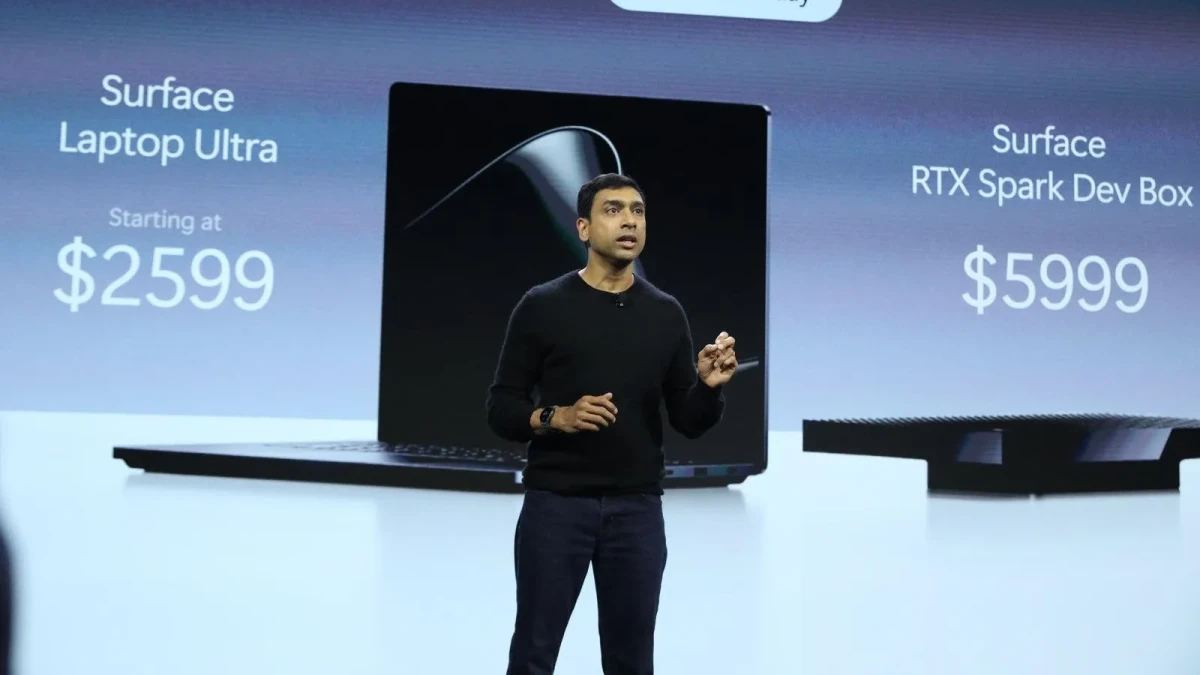
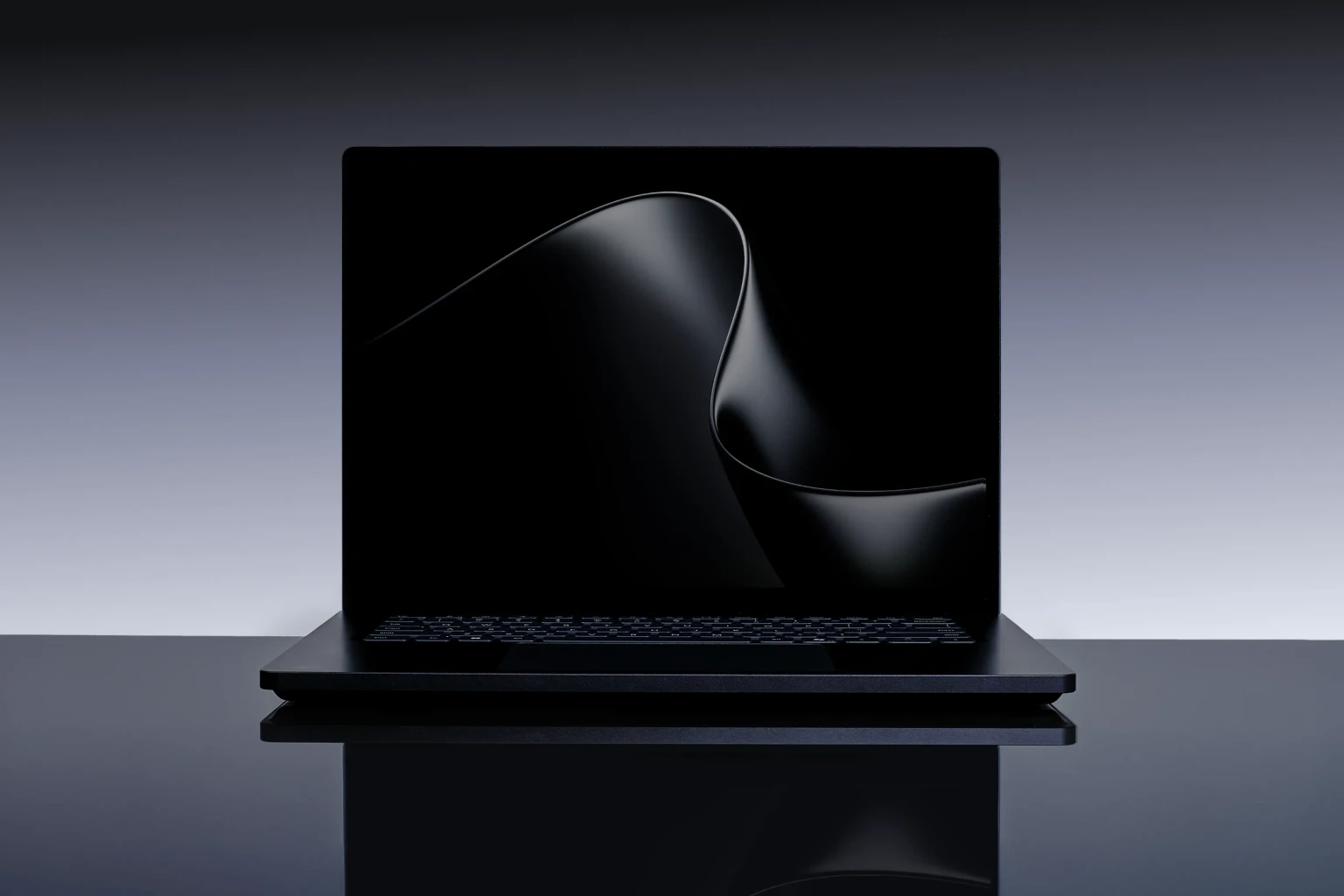
Microsoft is using its latest Windows and Surface event to make a more pointed case for the AI PC: not simply a machine with AI features, but a local computing platform for developers, creators and GPU-intensive software.
The company is scheduled to host a conversation in San Francisco featuring CEO Satya Nadella, Nvidia CEO Jensen Huang and Windows and Surface chief Pavan Davuluri. The stated topic is how local AI will shape the next chapter of the PC. Microsoft is also expected to detail its work with Nvidia around RTX Spark, a laptop-focused platform intended to improve performance for local AI models, creative applications and gaming.
A shift from consumer AI features to workstation positioning
Microsoft’s earlier Copilot Plus PC push largely emphasized consumer-facing experiences. RTX Spark appears aimed at a different buyer: people building, running or experimenting with AI models locally, along with creative professionals whose workflows can benefit from more GPU capacity.
That distinction matters. Enterprises and technical teams are increasingly evaluating where AI workloads should run. Cloud infrastructure remains necessary for large-scale training and services, but local execution can offer lower latency, more predictable costs for repeated tasks and a way to keep certain data on-device. Hardware alone does not guarantee those benefits; software compatibility, tooling and workload management determine whether they materialize in practice.
Microsoft and Nvidia’s opportunity is to make Windows laptops a practical endpoint for that work. For developers, the appeal would be an easier route from local experimentation to production environments. For creative teams, it could mean stronger performance in applications that use GPU acceleration. For IT organizations, it raises familiar deployment questions: device cost, battery life, security controls, driver reliability and supportability.
Windows quality is part of the product story
The event comes as Microsoft has been emphasizing Windows 11 performance and reliability improvements. That is more than background maintenance if the company wants Windows to be trusted for demanding local AI workloads.
A platform pitched for model inference and professional creation needs consistent performance under load, stable drivers and dependable updates. Any gap between the promise of high-end GPU capability and the day-to-day experience of managing Windows devices would weaken the broader strategy.
The MacBook Pro comparison is unavoidable
The likely competitive frame is Apple’s MacBook Pro, which has become a prominent choice for developers and creators seeking capable portable hardware. Microsoft and Nvidia can counter with Nvidia’s GPU ecosystem and Windows’ broad software base, but they will need to show more than peak performance claims.
Operators should look for specifics: which RTX Spark systems are coming, what models and applications they support locally, how developers access the stack, and whether Microsoft offers clear enterprise management guidance. Pricing, availability, thermals and battery performance will also shape whether these machines become specialist devices or a wider business category.
What to watch next
The immediate test is whether Microsoft presents RTX Spark as a coherent platform rather than a collection of hardware specifications. Concrete software integrations, developer tools and deployment examples would give the effort more weight than broad claims about AI PCs.
The longer-term question is whether local AI becomes a durable reason to refresh fleets. That will depend on measurable workflow gains—and on Microsoft’s ability to pair Nvidia-powered performance with a Windows experience that organizations can operate confidently.